Vaping Relapse: Does One Puff Reset All Your Progress?
A slip isn't a relapse. But the neuroscience is clear: one puff does re-sensitise your receptors. Here's the difference between a slip and a full relapse — and what to do about each.

Written by Abhishek · Founder, heycravo
Medical review pending · Our editorial standards

You were doing well. Three days, three weeks, maybe three months without vaping. Then something happened — stress, a night out, boredom that wouldn’t lift — and you took a puff. Now you’re spiralling. Was that a vaping relapse? Did you just erase everything?
Roughly 15% of posts on r/QuitVaping mention relapse. The question is always some version of the same thing: I slipped. Is it over?
The short answer: no. A slip is not a relapse. But the longer answer matters more, because what you do in the next 30 minutes after that puff will determine whether it stays a slip or becomes something worse. And almost nobody talks about that window — the micro-decisions that separate a stumble from a surrender.
Let’s talk about what actually happens in your brain when you take one puff, why the distinction between a slip and a relapse isn’t just semantics, and exactly what to do in that critical half-hour after a lapse.
What One Puff Does to Your Brain
Let’s start with the neuroscience, because it’s important to be honest about this.
When you inhale nicotine after a period of abstinence, it reaches your brain within ten seconds and binds to your nicotinic acetylcholine receptors. Research by Benowitz (2008, Annual Review of Pharmacology and Toxicology) documented that a single cigarette re-occupies approximately 50% of your nicotinic receptors within minutes. One hit from a vape — which typically delivers nicotine salts at higher concentrations — likely does the same or more.
Those receptors have been slowly quieting down during your quit. The upregulated receptors your brain grew to handle daily nicotine floods were starting to downregulate — to prune back towards a non-smoker’s baseline. One puff doesn’t undo all of that structural healing. But it does something dangerous: it re-sensitises the reward pathway.
Your brain’s dopamine system, which was learning to find satisfaction in everyday activities again, gets a sudden 150% dopamine spike in the nucleus accumbens. The neurochemical hijack fires up. And every conditioned cue you’d been deactivating — the association between stress and vaping, between coffee and vaping, between boredom and vaping — gets a fresh coat of reinforcement.
One puff doesn’t reset three months of receptor downregulation. But it does crack the door open. And the question is whether you slam it shut or walk through.
Slip vs. Relapse: The Clinical Distinction
This isn’t just a feel-good reframe. The distinction between a lapse (slip) and a relapse is one of the most well-established concepts in addiction psychology, formalised by Marlatt and Gordon in their 1985 Relapse Prevention model.
A slip (lapse) is a single, isolated episode of use after a period of abstinence. One puff at a party. A drag from a friend’s vape during a moment of weakness. It’s a behaviour — a thing you did — not a state you’ve returned to.
A relapse is a return to regular, sustained use. Buying a new vape. Going back to daily hitting. Re-establishing the pattern.
The difference is not the puff itself. It’s what happens next.
Marlatt and Gordon identified something called the abstinence violation effect (AVE) — the psychological response to breaking a self-imposed rule of total abstinence. The AVE has two components:
- Internal attribution: “I slipped because I’m weak / can’t do this / was always going to fail”
- Loss of perceived control: “I’ve already broken my streak, so it doesn’t matter now”
The AVE is the mechanism that converts slips into relapses. Not the nicotine. Not the receptors. The story you tell yourself about what just happened.
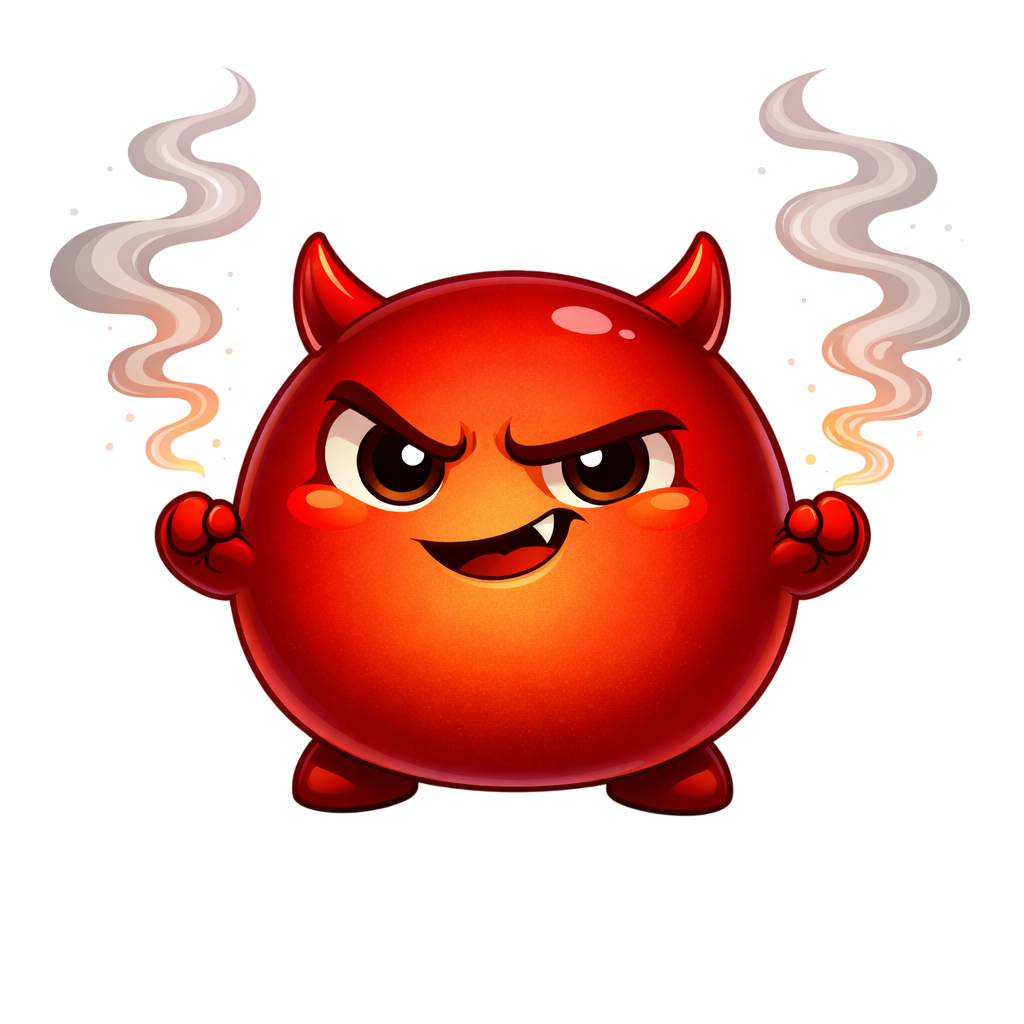
This is exactly where Cravo — the craving villain — does its most effective work. The puff happened. Cravo can’t undo that. But what Cravo can do is weaponise the guilt. The voice shifts from “just one won’t hurt” (which already worked) to “well, you’ve blown it now — might as well buy a pod.”
Recognise that voice. It’s not yours. It’s Cravo running the Relapse Trap play, and it is counting on your shame to finish the job.
The 30-Minute Window
Here’s what nobody writes about: the micro-decisions in the half-hour after a slip.
Most relapse prevention content focuses on avoiding the first puff. That’s important. But it’s incomplete — because roughly 95% of people who successfully quit long-term have experienced at least one lapse along the way (Brandon et al., 2007, Clinical Psychology Review). If a single puff guaranteed relapse, virtually nobody would ever quit.
The real battleground is what happens between minute one and minute thirty after a slip. This is when your brain is flooded with competing signals — the nicotine hit, the guilt, Cravo’s manipulation, and your own prefrontal cortex trying to regain control.
Here’s a protocol for that window:
Minute 0–5: Acknowledge Without Catastrophising
You slipped. Say it plainly: “I took a puff. That happened.” Do not spiral into “I’m a failure” or “I’m back to square one.” The slip is a data point, not a verdict. Researchers at the University of Washington found that self-compassionate responses to lapses were associated with lower rates of progression to full relapse compared to self-critical responses (Breines & Chen, 2012).
Minute 5–10: Remove the Source
Put physical distance between yourself and the nicotine. Leave the room. Give the vape back. Walk away from the person who offered it. If you bought a disposable in a moment of weakness, bin it. Right now. Not after you “finish it.” Now.
This isn’t symbolic. It’s strategic. Every minute the source remains accessible, the probability of a second puff increases. The craving will pass — most peak at 3–5 minutes — but only if you remove the option of feeding it.
Minute 10–20: Disrupt the Cue Loop
Your brain just received a nicotine stimulus and it’s frantically trying to re-establish the old cue-response pattern. Disrupt it. Change your environment physically — go for a walk, take a cold shower, do 20 press-ups, call someone. The goal is to flood your brain with a different sensory input before the nicotine cue has time to cement.
A 2015 study in Addiction by Haasova et al. found that even brief bouts of physical activity (as short as five minutes) significantly reduced cravings and withdrawal symptoms. You’re not exercising for fitness. You’re scrambling a signal.
Minute 20–30: Reframe the Narrative
This is where you decide the story. Cravo wants the narrative to be: “You relapsed. It’s over.” You need the narrative to be: “I slipped. I caught it. I’m still quit.”
Write it down if you need to. Text it to your accountability partner. Say it out loud. The research on cognitive reappraisal — consciously changing how you interpret an event — shows it directly reduces emotional distress and improves self-regulation (Gross, 2002, Psychological Inquiry).
One puff. Not one relapse.
Why the “Day Counter” Mentality Can Backfire
Quit-tracking apps love day counters. And they’re motivating — until they’re not.
The problem with measuring your quit purely in consecutive days is that it creates a binary frame: you’re either at Day 47 or you’re at Day 0. There’s no middle ground. A single slip destroys the number, and with it, your sense of progress.
This is the sunk cost fallacy in reverse. Instead of continuing a behaviour because you’ve invested in it, you abandon a behaviour because you feel the investment has been “lost.” But the investment hasn’t been lost. Your lungs are still healing. Your receptors are still largely downregulated. Your cardiovascular system is still recovering. The timeline of benefits doesn’t reset to zero because of one puff.
A more accurate frame is total exposure reduction. If you were hitting a vape 200 times a day and you’ve had three puffs in the last month, you’ve eliminated 99.95% of your nicotine intake. That is not failure. That is a quit in progress.
We’re not saying slips don’t matter. They do — because each one re-sensitises your reward pathways and makes the next slip slightly more likely. But the difference between three puffs in a month and 6,000 hits in a month is not a rounding error. It’s a transformation.
The Triggers That Cause Most Slips
Understanding your high-risk situations before they happen is significantly more effective than trying to resist them in the moment. Research consistently identifies four primary slip triggers:
1. Emotional distress. Stress, anger, sadness, loneliness. Negative affect is the single most cited trigger for lapse across all addiction research (Witkiewitz & Marlatt, 2004). Your brain has spent months or years learning that nicotine is the fastest way to modulate a bad feeling. When the feeling hits hard enough, the old pathway lights up before your conscious mind has time to intervene. The cruel irony is that nicotine doesn’t actually reduce stress — it creates a withdrawal state that mimics stress relief when reversed.
2. Social pressure. Being around people who vape, being offered a hit, being in environments you associate with vaping. Social cues are powerful because they combine environmental triggers with the desire to belong and not seem awkward.
3. Alcohol. Alcohol impairs prefrontal cortex function — the exact brain region responsible for impulse control and long-term decision-making. Two drinks in, your ability to say “no” to Cravo drops measurably. This is why so many slips happen at pubs and parties, not at 10am on a Tuesday.
4. Celebration and reward. This one catches people off guard. You got a promotion. You finished a hard week. You feel good. And some part of your brain whispers: You deserve a treat. The treat it’s suggesting, of course, is the one that costs you £2,000 a year and your lung function.
Knowing your personal top triggers — and having a specific plan for each — is what Marlatt called a “coping response.” People with prepared coping responses for their high-risk situations are roughly twice as likely to maintain abstinence after a lapse (Marlatt & Donovan, 2005).
When a Slip Becomes a Relapse — and What to Do About It
Sometimes the 30-minute window closes and you’re holding a new vape. It happens. The question now is not “why did I fail” but “what’s the fastest way back?”
A full relapse is not a moral failure. It’s a predictable phase in a process that, statistically, takes multiple cycles to complete. The average smoker requires approximately 30 quit attempts before achieving sustained abstinence (Chaiton et al., 2016, BMJ Open). Relapse is not the opposite of recovery. It’s part of the map.
But it does require action, not acceptance. Here’s the difference between “I relapsed and I’m working on it” and “I relapsed and I’ve given up”:
Working on it looks like: setting a new quit date within the next 48 hours. Identifying the specific trigger that caused the relapse. Adjusting your strategy — if cold turkey didn’t hold, consider whether an accountability partner, a different environment, or professional support would change the equation. Calculating what you’ve already saved and what you stand to lose using a tool like our savings calculator.
Giving up looks like: telling yourself this is who you are. Stopping the attempt without planning the next one. Letting Cravo rewrite the story from “I’m quitting” to “I’m a vaper.”
You are not a vaper who sometimes quits. You are a person who is quitting, and sometimes slips.
How to Build Slip Resistance
Prevention beats recovery. Here are the evidence-based strategies for reducing your slip risk.
Identify your top three triggers and write a specific if-then plan for each. Not “I’ll resist.” Specific actions. “If I’m offered a vape at a party, I’ll say ‘no thanks, I’ve quit’ and go to the bar for water.” Implementation intentions — the technical term for if-then plans — increased goal attainment rates by 20–30% in a meta-analysis by Gollwitzer and Sheeran (2006).
Avoid alcohol for the first 30 days. This is not popular advice. But the data is clear: alcohol is the single biggest co-occurring factor in vaping and smoking lapses. Your prefrontal cortex is already compromised during withdrawal. Adding alcohol is like removing the goalkeeper during a penalty shootout.
Tell someone you’ve quit. Social accountability changes the calculus of a slip. It’s harder to take a sneaky puff when you know someone will ask you about it tomorrow. A 2019 study in Nicotine & Tobacco Research found that social support was independently associated with quit success, even after controlling for nicotine dependence severity.
Practise cognitive defusion daily. When a craving thought arises, notice it without obeying it. “Cravo wants me to vape” is a fundamentally different experience than “I want to vape.” That distance — between you and the craving — is the skill that protects you in the moment of temptation.
Frequently Asked Questions
Does one puff reset all my progress if I’ve quit vaping?
No. A single puff re-sensitises some of your nicotinic receptors and triggers a dopamine response, but it does not undo weeks or months of neurological and physical healing. The danger isn’t the puff itself — it’s the abstinence violation effect, the psychological spiral that convinces you one slip means total failure. Your body’s healing timeline doesn’t reset to Day 0 from a single lapse.
What is the difference between a slip and a relapse?
A slip (or lapse) is a single, isolated episode of nicotine use after a period of abstinence. A relapse is a return to regular, sustained use. The distinction was formalised by Marlatt and Gordon (1985) and is one of the most well-established concepts in addiction psychology. What converts a slip into a relapse is typically the abstinence violation effect — the belief that one mistake erases all progress.
How common is relapse when quitting vaping?
Very common. Studies suggest that 80–95% of unaided quit attempts involve at least one lapse. The average number of quit attempts before sustained abstinence is approximately 30 (Chaiton et al., 2016). Relapse is a normal, expected phase of the quitting process — not evidence of personal weakness or inability to quit.
What should I do immediately after taking a puff?
Remove the nicotine source from your environment immediately. Do not catastrophise — acknowledge the slip without turning it into a verdict on your character. Change your physical environment (go for a walk, take a cold shower) to disrupt the cue-response loop. Reframe the narrative: “I slipped once. I’m still quit.” The craving will pass within minutes. For more on craving duration and tactics, read our guide on how long nicotine cravings last.
Should I reset my quit date after a slip?
That depends on how you define your quit. If a single puff at a party is the only nicotine you’ve had in three weeks, resetting your counter to Day 0 is clinically inaccurate and psychologically harmful. A more useful approach is harm reduction tracking — total exposure over time — rather than a binary streak counter. If the slip progressed into multiple days of regular use, then yes, a new quit date with a revised strategy makes sense.
Can I prevent vaping relapse entirely?
You can dramatically reduce your risk by identifying your personal triggers, creating specific if-then coping plans, avoiding alcohol in early abstinence, building social accountability, and practising cognitive defusion (recognising craving thoughts as separate from yourself). No method eliminates all risk, but prepared quitters are roughly twice as likely to maintain abstinence after a lapse compared to those without coping strategies (Marlatt & Donovan, 2005).
This article is for informational purposes only and does not constitute medical advice. If you are experiencing severe withdrawal symptoms or mental health distress related to quitting nicotine, please consult a qualified healthcare professional. If you are in crisis, contact your local emergency services or a crisis helpline.
A therapist once told me something that stuck: “The opposite of addiction isn’t sobriety. It’s connection.” One puff doesn’t sever that connection — to your health, to your reasons for quitting, to the version of yourself that decided enough was enough. What severs it is the story you tell yourself afterwards. Choose the right story. Cravo gets a vote, but you get the veto.
Ready to name the villain and take back control? Join Cravo — we’re building the app that fights back.
Beat Your Craving
Your craving has a strategy.
Now you have one too.
Download Cravo — the app that fights cravings with you.
Download the App →