Can Your Lungs Heal After Vaping?
Long-term vaping data is limited — but what we know about cilia recovery, inflammation, and lung function after quitting is genuinely encouraging.

Written by Abhishek · Founder, heycravo
Medical review pending · Our editorial standards
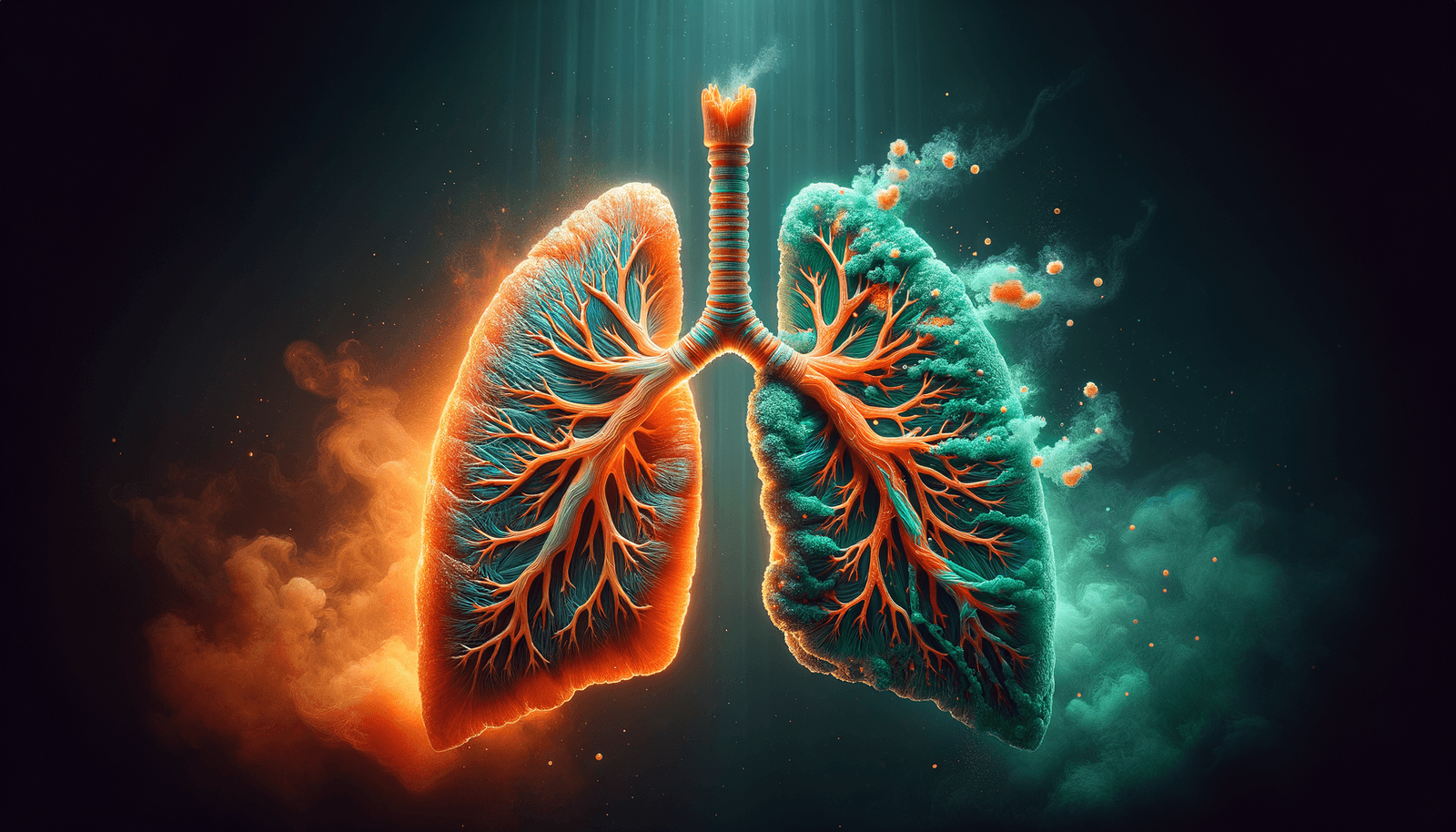
If you’ve been vaping for months or years and you’re wondering whether the damage is permanent, this is the article you need. Can lungs heal after vaping? The honest answer is that we don’t have forty years of longitudinal data to draw from — vaping simply hasn’t existed long enough. But the evidence we do have, combined with well-established pulmonary biology, paints a picture that is genuinely encouraging. Your lungs are extraordinarily resilient organs, and the moment you stop flooding them with aerosolised chemicals, they begin the process of repair.
This isn’t a pep talk dressed up as science. I’ll tell you exactly what we know, what we’re extrapolating from smoking cessation research, and where the honest answer is “we don’t know yet.” You deserve that clarity.
The Lung’s Built-In Repair System
Your lungs are not passive organs. They’re lined with an intricate self-cleaning system that works around the clock — or at least, it tries to. Understanding how this system works is the key to understanding why quitting triggers such rapid improvement.
Cilia: Your Lungs’ Tiny Workforce
The airways are lined with millions of hair-like structures called cilia. These beat in coordinated waves — roughly 1,000 times per minute — sweeping mucus, debris, and inhaled particles up and out of your lungs. It’s called the mucociliary escalator, and it’s one of the most elegant defence mechanisms in the human body.
Vaping suppresses this system. Research published in the American Journal of Respiratory and Critical Care Medicine (2019) demonstrated that e-cigarette aerosol impairs ciliary beat frequency and disrupts the coordinated movement pattern. The propylene glycol and vegetable glycerine base — regardless of nicotine content — creates a viscous coating that physically clogs and slows the cilia. Flavouring chemicals, particularly cinnamaldehyde and diacetyl, have been shown to be directly cytotoxic to ciliated epithelial cells in laboratory studies (Park et al., 2019, Toxicology Letters).
Here’s the good news: cilia are remarkably regenerative. Once you remove the insult, they begin recovering. Studies on smoking cessation — the closest parallel we have — show measurable improvement in mucociliary clearance within 1–3 months of quitting, with substantial recovery by 6–9 months (Simet et al., 2010, PLoS ONE). Given that vaping delivers fewer combustion byproducts than cigarettes, some researchers hypothesise that ciliary recovery from vaping may be faster. We don’t have the long-term controlled studies to confirm this yet, but the underlying biology strongly supports it.
What Cilia Recovery Actually Feels Like
When your cilia start working again, you might notice something counterintuitive: you cough more, not less. This is the mucus your paralysed cilia couldn’t shift now being swept upward and expelled. It’s messy and annoying and it feels like things are getting worse.
They’re not. A productive cough in the weeks after quitting is one of the clearest signals that your respiratory system is waking back up. If you’re in the first few weeks and wondering why your body seems to be protesting the healthiest decision you’ve made — this is why.
For a full breakdown of what happens in those early days, our vaping withdrawal symptoms guide covers the timeline in detail.
Inflammation: The Silent Problem (and Its Reversal)
Beyond the mechanical damage to cilia, vaping triggers chronic low-grade inflammation throughout the airways. This is arguably the more concerning effect, because chronic inflammation is the precursor to structural lung changes.
What the Research Shows
A 2021 study in Thorax (Ghosh et al.) found that e-cigarette users who had never smoked showed increased levels of inflammatory markers in their bronchial tissue — including neutrophil infiltration and elevated MUC5AC gene expression, which drives excess mucus production. The lungs of regular vapers were measurably inflamed compared to non-users, even in the absence of symptoms.
Gotts et al. (2019, American Journal of Respiratory and Critical Care Medicine) reviewed the available evidence on e-cigarette pulmonary effects and concluded that while vaping produces less oxidative stress than combustible cigarettes, it is “not without significant respiratory effects” — including epithelial barrier disruption and innate immune impairment.

The Good News About Inflammation
Inflammation is, by definition, reversible. That’s what distinguishes it from fibrosis or scarring. When the inflammatory trigger is removed — in this case, daily inhalation of e-cigarette aerosol — the immune response winds down. Inflammatory cells clear from the tissue. Swollen airways return to their normal calibre. Mucus production normalises.
The timeline for inflammatory resolution varies by individual, but smoking cessation literature gives us a reasonable frame of reference. Willemse et al. (2004, European Respiratory Journal) tracked inflammatory markers in ex-smokers and found significant reductions in bronchial inflammation within one year, with continued improvement over the following years. Since vaping causes a comparatively milder inflammatory profile, the recovery window may be shorter — though this remains an area where direct vaping cessation data is still emerging.
The critical point: every day you don’t vape is a day your lungs spend reducing inflammation rather than sustaining it. Your body isn’t neutral when you quit. It’s actively working to undo the damage.
Lung Function: What the Numbers Say
The most concrete way to measure lung recovery is through pulmonary function tests — specifically FEV1 (how much air you can forcefully exhale in one second) and FVC (total forced vital capacity).
Vapers and Lung Function
A cross-sectional study by Bowler et al. (2023, JAMA Network Open) found that current e-cigarette users had measurably lower FEV1/FVC ratios compared to never-users, suggesting early obstructive changes. Importantly, the study also found that former e-cigarette users (those who had quit) showed values closer to never-users — which strongly implies recovery.
This mirrors the decades of smoking cessation data. The landmark Lung Health Study (Anthonisen et al., 2002, Annals of Internal Medicine) demonstrated that quitting smoking slowed the rate of FEV1 decline to that of a non-smoker within the first year of cessation. In younger quitters, there was actual improvement — not just slowed decline, but genuine recovery of lung function.
If you’ve been vaping for a few years and you’re under 30, the odds are strongly in your favour. Your lungs haven’t been exposed for long enough to develop permanent structural changes, and young tissue repairs faster.
What Recovery Looks Like Month by Month
Drawing from both the limited vaping-specific data and the robust smoking cessation evidence:
Weeks 1–4: Airway inflammation begins subsiding. Cilia start regenerating. You may experience increased coughing as mucus clearance improves. Breathing might not feel dramatically different yet — that’s normal.
Months 1–3: Ciliary function measurably improves. The persistent cough fades. You’ll likely notice that moderate exercise feels easier — your airways are less constricted, and gas exchange efficiency is improving. If you had chronic throat irritation or a “vaper’s cough,” it’s probably gone by now.
Months 3–9: Substantial ciliary recovery. Inflammatory markers declining toward baseline. Lung capacity improvements become noticeable. Activities that left you winded — climbing stairs, jogging, even laughing hard — feel different. Better different.
Months 9–12: Lung function metrics approaching those of never-vapers (for people who vaped for less than five years, based on extrapolated data). Immune function in the airways significantly improved. Risk of respiratory infection reduced.
Year 1+: Continued slow improvement. The lungs are patient organs — they’ll keep healing for years after cessation. This is consistent across all inhalation cessation research.
For a broader view of recovery milestones, our quit smoking timeline covers what happens across all body systems.
What About Permanent Damage?
This is the question people are really asking, and it deserves a straight answer.
For the vast majority of vapers — particularly those who are young, have vaped for fewer than five years, and have no underlying respiratory conditions — the evidence strongly suggests that the damage is reversible. The lungs did not evolve to tolerate forest fires and volcanic ash for millions of years only to be permanently undone by a few years of propylene glycol aerosol.
However, there are caveats:
EVALI (e-cigarette or vaping product use-associated lung injury): The 2019 outbreak of severe lung injuries — primarily linked to vitamin E acetate in illicit THC cartridges — caused genuine scarring and permanent damage in some patients. If you experienced EVALI, your recovery trajectory may be different, and you should be working with a pulmonologist.
Very long-term heavy use: We simply don’t have 20-year vaping cessation data. It’s possible that decades of heavy vaping could cause some degree of permanent remodelling. The honest answer is we don’t know yet.
Pre-existing conditions: If you have asthma, COPD, or another chronic respiratory condition, vaping may have accelerated existing damage. Recovery is still expected, but your baseline may be different from someone with previously healthy lungs.
For most people reading this, though? Your lungs can and will heal. The biological mechanisms for repair are well-understood. The only variable is whether you give them the chance.
The Nicotine Factor
It’s worth separating nicotine from vaping for a moment, because they have distinct effects on the lungs.
Nicotine itself is not the primary driver of lung damage from vaping — that distinction belongs to the aerosol base, flavourings, and ultrafine particles. However, nicotine does contribute to the problem. It impairs immune function in the airways, promotes inflammation, and interferes with the healing process itself (Hosseinzadeh et al., 2016, Molecular Medicine Reports).
This means that switching to nicotine patches or gum while quitting vaping removes the aerosol damage while you work on the nicotine addiction separately. Your lungs start healing immediately even if you’re still using nicotine replacement therapy. It’s not all-or-nothing.
Our complete guide to quitting vaping covers method options in detail, including tapering strategies that work.
What You Can Do to Speed Recovery
You can’t rush biology, but you can avoid slowing it down.
Move your body. Aerobic exercise increases respiratory rate and tidal volume, which promotes mucus clearance and improves gas exchange. You don’t need to run marathons. Brisk walking for 30 minutes a day is enough to make a measurable difference to lung recovery.
Stay hydrated. Adequate hydration keeps airway mucus thin and easier for recovering cilia to clear. Thick, dehydrated mucus is harder to move and provides a better environment for bacterial growth.
Avoid second-hand exposure. This sounds obvious, but it matters more than you think during recovery. Your airways are in a vulnerable state of repair — re-exposure to irritants (including second-hand smoke, vape aerosol, or heavy air pollution) can slow the healing process.
Don’t start smoking. A surprising number of people who quit vaping pick up cigarettes, either out of nostalgia or because they reason that they’ve “already quit the worse thing.” Cigarettes are demonstrably worse for your lungs. Don’t trade one inhalation habit for another.
Give it time. The most important thing you can do is simply not vape today. And then not vape tomorrow. The nicotine withdrawal timeline shows that the hardest part — peak withdrawal — passes within the first week. After that, every day gets incrementally easier.
Tracking Your Progress
One of the things that makes quitting vaping psychologically difficult is that lung recovery is invisible. You can’t see your cilia regrowing. You can’t feel individual inflammatory cells clearing from your bronchial tissue.
But you can notice indirect signals:
- Fewer episodes of shortness of breath
- Better exercise tolerance
- Reduced coughing (after the initial increase subsides)
- Fewer respiratory infections
- Improved sleep quality (partly respiratory, partly nicotine withdrawal resolution)
- Better-smelling breath and reduced throat irritation
Keeping a brief daily note of these changes — even just a sentence — gives you tangible evidence of progress when your brain tries to convince you nothing’s happening. And if you want to see the financial side of your progress in real time, our savings calculator puts a number on it.
Frequently Asked Questions
How long does it take for lungs to fully heal after vaping?
For most people who vaped for fewer than five years, lung function metrics approach those of never-vapers within 1–2 years. Ciliary recovery is largely complete within 6–9 months. Inflammatory markers drop significantly within the first year. “Fully healed” is hard to define precisely because long-term vaping cessation studies are still underway, but the trajectory is clearly toward baseline in the majority of cases.
Is the lung damage from vaping worse than from smoking?
The available evidence consistently suggests that vaping causes less lung damage than combustible cigarettes. Cigarette smoke contains over 7,000 chemicals, including tar and carbon monoxide, which are absent from e-cigarette aerosol. However, “less harmful than cigarettes” is not the same as “harmless.” Vaping does cause measurable airway inflammation, ciliary impairment, and immune dysfunction.
Can you reverse lung damage from vaping if you’re young?
Youth is one of the strongest predictors of recovery. Younger people have more robust cellular repair mechanisms, faster tissue turnover, and typically shorter exposure histories. A 20-year-old who vaped for three years has an excellent prognosis for full lung recovery. The lungs are particularly forgiving organs in this regard.
Will my lungs heal if I switch to nicotine patches instead of quitting nicotine entirely?
Yes. The lung-specific damage from vaping comes primarily from the inhaled aerosol — not from nicotine itself. Switching to patches, gum, or lozenges removes the inhalation component and allows immediate lung recovery, even while you continue addressing nicotine dependence separately. This is a legitimate and effective strategy.
I’ve been vaping for five or more years — is it too late?
It is not too late. Even long-term smokers show significant lung recovery after quitting, and vaping is generally less damaging than smoking. The rate and completeness of recovery may vary, but the direction is always positive. Five years of vaping is a relatively short exposure history in pulmonary terms. Your lungs want to heal. Let them.
Should I see a doctor about my lung health after quitting?
If you have any respiratory symptoms that concern you — persistent cough, wheezing, chest tightness, or unexplained shortness of breath — yes, see a GP. A baseline spirometry test can measure your current lung function and give you a reference point to track recovery. For most otherwise healthy vapers, a medical visit isn’t strictly necessary, but it’s never a bad idea.
The Cravo Angle
That voice in your head that says “the damage is already done, so you might as well keep going” — that’s not you thinking clearly. That’s Cravo, the craving villain, using your genuine health anxiety as a weapon to keep you vaping.
It’s one of the most effective tricks in the playbook. Convince you that quitting is pointless because the harm is already irreversible, so you might as well enjoy it. The logic sounds almost reasonable until you examine it for two seconds: if you had a broken bone, would you keep hitting it with a hammer because the damage is already done?
Your lungs are healing machines. They’ve been repairing damage from pollution, dust, and pathogens since the day you were born. Vaping didn’t break them beyond repair — it just gave them more to fix. And the moment you stop, they get to work.
For practical strategies to push through the hardest moments of quitting, our guide on what happens when you quit vaping lays out the full body recovery timeline.
Medical Disclaimer
This article is for informational purposes only and does not constitute medical advice. The research cited reflects the best available evidence as of the publication date, but vaping science is a rapidly evolving field. If you have specific concerns about your lung health, consult a qualified healthcare professional. If you experience severe respiratory symptoms, seek medical attention immediately.
“The lungs don’t keep grudges. They keep working.” — Adapted from pulmonary rehabilitation literature
Your lungs have been waiting for you to quit. They started healing the moment you took your last puff — whether you felt it or not. The science is clear on this much: recovery is real, it’s measurable, and it starts now. Not after some threshold of damage has been undone. Not after you’ve suffered enough. Now.
If you’re ready to start, Cravo can help. It’s a quit-vaping app that treats your cravings as the villain they are — and gives you the tools to beat them.
Beat Your Craving
Your craving has a strategy.
Now you have one too.
Download Cravo — the app that fights cravings with you.
Download the App →