The Morning Craving: Why Your First Thought Is About Nicotine
Overnight nicotine depletion plus cortisol spikes create the most predictable craving of the day. Here's how to beat the morning hit.

Written by Abhishek · Founder, heycravo
Medical review pending · Our editorial standards
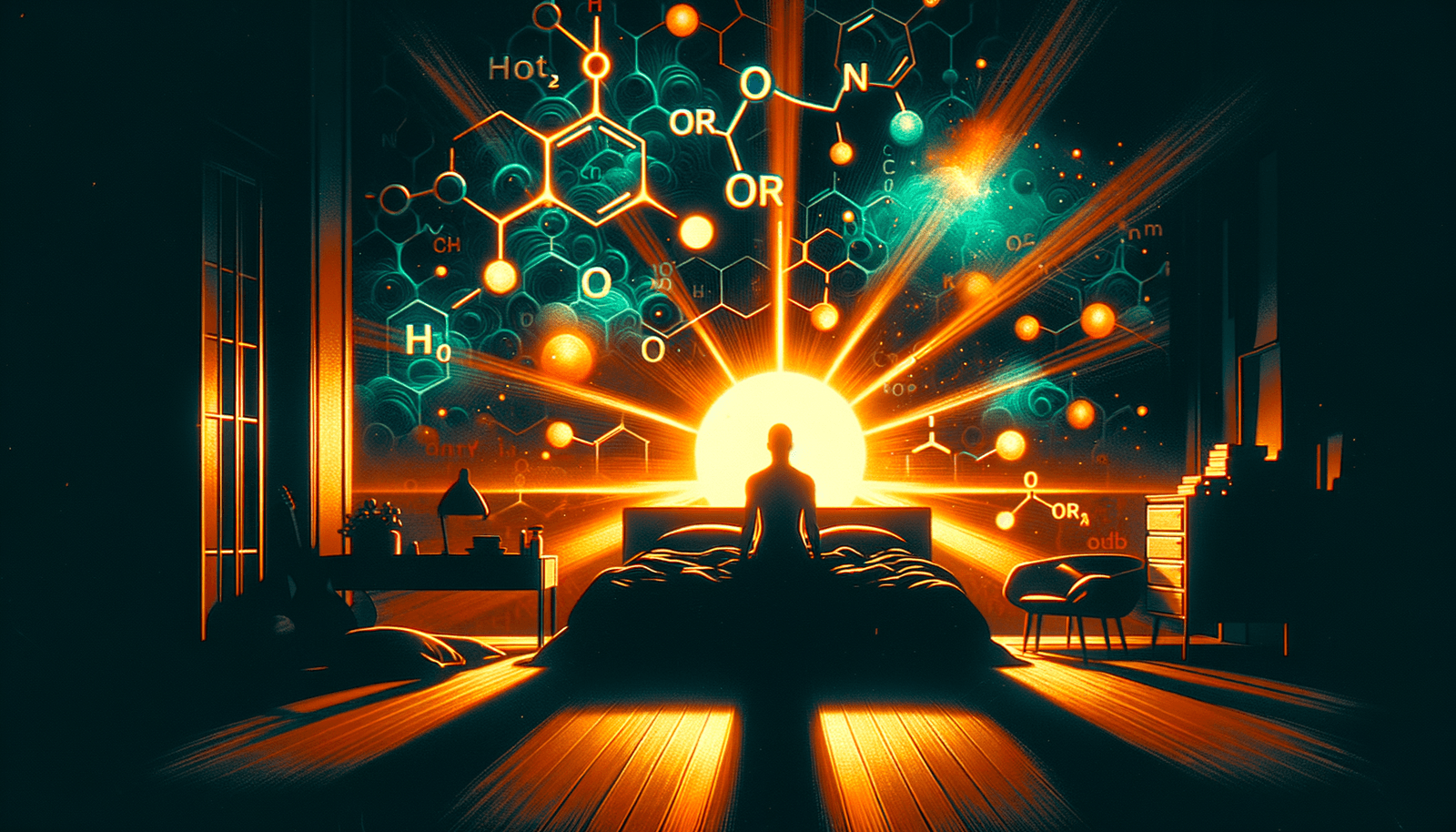
You open your eyes. Before you register the time, the weather, or what day it is, the thought lands: I need a cigarette. I need my vape. The morning cigarette craving is the most reliable craving you’ll experience. It arrives before you’ve even made a conscious decision, before your feet touch the floor. It has been there so many mornings that it feels like part of waking up — as automatic as blinking. But the morning nicotine craving is not a natural part of consciousness returning. It is a manufactured emergency, engineered by neurochemistry and reinforced by years of habit. And once you understand why it happens, you can dismantle it.
What Happens to Nicotine While You Sleep
Nicotine has a plasma half-life of approximately 2 hours. If your last cigarette or vape session was at 11pm, by 1am half the nicotine in your bloodstream is gone. By 3am, three-quarters is gone. By the time your alarm sounds at 7am, you’ve been through four half-lives — leaving roughly 6% of the original dose circulating in your blood.
For practical purposes, your brain has been running on empty for hours.
During waking hours, most smokers and vapers dose every 1–2 hours, keeping nicotine levels in a relatively stable band. Sleep is the longest period of involuntary abstinence you experience. Every single night, your brain goes through a miniature withdrawal cycle: receptor occupancy drops, dopamine output falls below the new baseline your brain has built around nicotine, and the neurochemical deficit accumulates hour by hour.
By morning, those upregulated nicotinic receptors — the extra ones your brain manufactured to cope with chronic nicotine exposure — are sitting empty and screaming for occupancy. The result is the most intense craving window of your day. Not because the morning is special, but because the night created a debt that your brain demands you repay the moment you’re conscious enough to act.
The Cortisol Amplifier
Nicotine depletion alone would be enough to produce a strong morning craving. But biology adds an accelerant.
Your body’s cortisol production follows a circadian rhythm. Cortisol — the primary stress hormone — peaks in the first 30–60 minutes after waking, a phenomenon called the cortisol awakening response (CAR). This surge evolved to mobilise energy and alertness for the day ahead. In a non-smoker’s brain, it’s a gentle ramp-up. In a nicotine-dependent brain, it’s a fire alarm.
Cortisol activates the hypothalamic-pituitary-adrenal (HPA) axis, which increases arousal and stress sensitivity. Nicotine, through its action on the HPA axis, has been artificially managing your cortisol response for months or years. Without it, the morning cortisol spike feels sharper, more uncomfortable, more urgent. Your brain interprets this heightened stress state through the only lens it knows: you need nicotine to feel normal again.
This is why the morning craving doesn’t feel like a choice. It feels like a physiological command. The combination of overnight depletion and the cortisol surge creates a neurochemical pincer movement — low dopamine from empty receptors on one side, elevated stress hormones on the other. Your brain’s proposed solution is the same one that has worked every other morning: light up, inhale, restore normal.
The catch, of course, is that “normal” is an artificially depressed baseline that non-smokers never experience. You’re not restoring equilibrium. You’re feeding the cycle that created the deficit in the first place.
The Conditioned Routine
Neurochemistry sets the stage, but conditioning writes the script.
If you’ve smoked or vaped first thing in the morning for years, you’ve built a deeply grooved behavioural chain: alarm → eyes open → reach for device → inhale → feel “normal” → start day. Every link in that chain is a conditioned cue. The sound of your alarm. The act of sitting up. The sight of your bedside table. The kettle clicking on. The first sip of coffee.
Classical conditioning — Pavlov’s dogs, applied to your dopamine system — means that each of these cues fires an anticipatory dopamine signal before you’ve even consumed nicotine. Your brain has learned to expect the drug at this point in the sequence, and the expectation itself creates a craving. This is the same mechanism behind cue-triggered cravings at any time of day, but the morning version is uniquely powerful because the cues are densely packed, completely predictable, and reinforced every single day.
Think about it: how many mornings have you smoked or vaped within minutes of waking? Hundreds? Thousands? Each one was a training repetition. Each one strengthened the neural pathway linking “morning” with “nicotine.” The conditioned response is now so automatic that it runs before your prefrontal cortex — the part of your brain responsible for deliberate decision-making — has fully come online after sleep.
This is Cravo at his most strategic. He doesn’t wait for you to be alert and rational. He strikes in the window between unconsciousness and full wakefulness, when your defences are lowest and the neurochemical case for nicotine is strongest.
Why “Just One in the Morning” Keeps You Trapped
Many smokers and vapers attempting to cut down start with the same plan: eliminate the morning dose last. It seems logical — the morning craving is the hardest, so tackle the easier ones first.
The problem is that the morning dose does more pharmacological work than any other dose of the day. It re-saturates empty receptors after the longest abstinence window, resetting your nicotine blood level from near-zero to full. This single dose establishes the baseline for the entire day. Every subsequent craving is benchmarked against it.
Research by Muscat et al. (2009) in Cancer Epidemiology, Biomarkers & Prevention found that the time to first cigarette after waking is one of the strongest predictors of nicotine dependence severity. Smokers who light up within 5 minutes of waking have significantly higher cotinine levels (a nicotine metabolite) and greater difficulty quitting than those who wait 30 minutes or more. The Fagerström Test for Nicotine Dependence — the most widely used clinical measure — weights “time to first cigarette” as its most important question.
The morning cigarette isn’t just a habit. It’s the keystone of the entire addiction architecture. Remove it, and the rest of the structure becomes less stable.
The Morning Replacement Protocol
Knowing why the morning craving exists is useful. Knowing what to do instead is essential. The goal is not to white-knuckle through the craving. The goal is to replace the conditioned behavioural chain with a new one — link by link — until the old pathway weakens through disuse.
Step 1: Break the Physical Cue Chain
Your brain expects a specific sequence: alarm → reach → inhale. Disrupt the sequence at the earliest possible point.
- Move your phone/vape/cigarettes out of the bedroom the night before. If the device isn’t within arm’s reach, the automatic reach fails. This buys you seconds — and seconds matter when the prefrontal cortex is still booting up.
- Change your alarm sound. The existing sound is a conditioned cue. A new sound creates a brief moment of novelty that interrupts the automatic sequence.
- Get out of bed immediately. Lying in bed deliberating is Cravo’s home turf. Vertical and moving is yours.
Step 2: Hydrate Before Anything Else
Place a large glass of cold water on your bedside table the night before. Drink it within 60 seconds of waking.
This is not wellness fluff. Cold water activates the parasympathetic nervous system via the vagus nerve, directly counteracting the sympathetic arousal (fight-or-flight) that both the cortisol spike and nicotine withdrawal are producing. It also addresses overnight dehydration, which worsens the headache, brain fog, and irritability that masquerade as craving symptoms.
A full glass. Cold. Fast. Before you do anything else.
Step 3: Move Your Body Within 10 Minutes
Exercise is one of the most robustly supported craving interventions in the literature. A 2014 Cochrane review by Ussher et al. found that even brief bouts of moderate exercise significantly reduced craving intensity and withdrawal symptoms.
You don’t need a gym session. You need movement:
- 10 minutes of brisk walking
- A set of press-ups, squats, and stretches
- A short yoga flow
- Even pacing around the garden while the kettle boils
The mechanism is straightforward: exercise triggers dopamine and endorphin release, partially compensating for the dopamine deficit left by empty nicotinic receptors. It also reduces cortisol — directly addressing the other half of the morning craving equation.
Step 4: Replace the Oral and Sensory Ritual
A significant part of the morning craving is sensory, not just neurochemical. You miss the act: the hand-to-mouth motion, the inhale, the throat hit, the exhale.
Replacements that target the sensory gap:
- Deep breathing exercises. Inhale slowly through the nose for 4 seconds, hold for 4, exhale through the mouth for 6. Repeat 5 times. This mimics the deep inhalation of smoking while activating the parasympathetic system.
- Chew something with a strong flavour. Fresh mint, cinnamon gum, a slice of ginger. Strong sensory input occupies the oral fixation and gives your brain something to process.
- Cold air. Step outside. If it’s a cold morning, the sharp inhalation of cold air provides a throat-hit sensation surprisingly similar to smoking.
Step 5: Rewrite the First 30 Minutes
The cortisol awakening response peaks at 30–45 minutes post-waking. If you can survive the first 30 minutes without nicotine, the neurochemical pressure begins easing on its own.
Design a specific 30-minute morning routine that fills every slot the old routine occupied. Write it down. Stick it to the bathroom mirror. Specificity matters — vague intentions (“I’ll stay busy”) fail because Cravo thrives in ambiguity.
Example:
- Wake. Drink water. (0–2 minutes)
- Walk to kitchen. Start kettle. Do 10 press-ups while waiting. (2–6 minutes)
- Make tea or coffee. Step outside and drink it slowly. (6–15 minutes)
- Shower. (15–25 minutes)
- Get dressed. Leave the house. (25–30 minutes)
No gaps. No decision points. No moments where you’re standing still, idle, wondering what to do with your hands. Every gap is an invitation for Cravo to negotiate.
The First Week of Mornings
The hardest morning is the first one. The second hardest is the second. By morning four or five, something shifts.
Your brain is remarkably efficient at extinction learning — the process of unpairing a cue from a reward. Each morning you wake up and do not smoke or vape, the neural association between “morning” and “nicotine” weakens slightly. Each repetition of the new routine strengthens the competing pathway. Within a week, the automatic reach starts losing its urgency. Within two weeks, you may notice you went 10 minutes before remembering you used to smoke.
The timeline for withdrawal symptoms generally follows this pattern: physical cravings peak at days 2–3 and decline sharply by day 7. Morning cravings follow a similar curve, but because they’re so heavily conditioned, the psychological component may linger for 2–3 weeks after the physical component has faded. This is normal. The craving is losing power even when it doesn’t feel like it.
If you want to see exactly how the craving timeline plays out — including what to expect at each stage — there’s a detailed breakdown in our craving duration guide.
What About Nicotine Replacement in the Morning?
If you’re using nicotine replacement therapy (patches, gum, lozenges), the morning is arguably the most important time to use it correctly.
24-hour nicotine patches are specifically designed to address overnight depletion — they maintain a steady-state nicotine level through the night, blunting the morning withdrawal spike. If you’re wearing a 24-hour patch and still waking with intense cravings, speak to your prescriber about dosing — you may need a higher-strength patch or a supplementary short-acting product (gum or lozenge) for the first 30 minutes.
The goal with NRT is to decouple the behavioural routine from the nicotine delivery. You’re still getting nicotine, but you’re breaking the hand-to-mouth, inhale-exhale, device-in-hand associations that make the morning craving so automatic. Over time, you taper the NRT and let the new morning routine stand on its own.
Tracking Your Progress
One of the most effective motivational tools during the first weeks is a savings calculator. Calculate what you spend on cigarettes or vape pods per week, then watch the number climb as smoke-free mornings accumulate. The financial data is concrete in a way that “feeling better” often isn’t during early withdrawal — and it gives your prefrontal cortex a rational counterweight to Cravo’s emotional arguments.
The Cravo app is built around exactly this kind of daily reinforcement — giving you the data, the craving tools, and the counter-moves right when you need them. If you want early access, download the app.
Frequently Asked Questions
Why is my morning craving so much stronger than the rest?
Two factors converge: overnight nicotine depletion (6–8 hours without a dose, leaving receptors nearly empty) and the cortisol awakening response (a natural stress hormone surge in the first 30–60 minutes after waking). Together, they create the highest-deficit, highest-stress craving window of the day. Add years of conditioned morning smoking behaviour, and the craving feels automatic and overwhelming.
How long do morning cravings last after quitting?
The physical component of morning cravings typically peaks at days 2–3 and fades significantly by day 7–10. The conditioned (habitual) component — the automatic “I should be smoking right now” feeling — usually weakens substantially within 2–3 weeks of consistent new morning routines. By month 1, most quitters report that mornings feel noticeably different and the old pull has lost its grip.
Should I drink coffee in the morning while quitting?
Coffee itself doesn’t cause nicotine cravings, but if you’ve always paired coffee with smoking, the coffee becomes a conditioned cue that triggers a craving. You have two options: temporarily switch to tea or another hot drink for the first 2–3 weeks (breaking the cue association), or deliberately re-pair coffee with a new behaviour (drink it outside, in a different mug, in a different room). Don’t eliminate coffee if it helps with the fatigue common in early withdrawal — just change the context around it.
Is it normal to wake up in the middle of the night craving nicotine?
Yes. During the first few days of a quit, overnight nicotine withdrawal can disrupt sleep and occasionally produce cravings strong enough to wake you. This typically resolves within 5–7 days as your brain adjusts. If night-waking is severe, a 24-hour nicotine patch can maintain low-level nicotine delivery overnight, preventing the withdrawal from pulling you out of sleep.
What if I slip and smoke first thing one morning — have I ruined my quit?
No. A single lapse does not erase the extinction learning your brain has done on previous smoke-free mornings. However, each morning dose does re-saturate receptors and briefly reactivate the conditioned pathway, so it’s important to get back to the plan immediately — the next morning, not “next Monday.” The comprehensive quit guide covers how to handle lapses without letting them become full relapse.
Does the time I go to bed affect my morning craving?
Indirectly, yes. Longer sleep means a longer abstinence period and more complete nicotine clearance, which can make the morning craving sharper. But shorter sleep worsens withdrawal symptoms across the board — irritability, poor concentration, low mood — and impairs the prefrontal cortex function you need to override cravings. Prioritise consistent, adequate sleep (7–9 hours) over trying to minimise the overnight gap.
“The secret of getting ahead is getting started.” — Mark Twain
This article is for informational purposes only and does not constitute medical advice. If you are considering nicotine replacement therapy or medication-assisted cessation, consult a qualified healthcare professional.
Beat Your Craving
Your craving has a strategy.
Now you have one too.
Download Cravo — the app that fights cravings with you.
Download the App →