Nicotine Withdrawal Symptoms: What's Normal (And What's Not)
Every nicotine withdrawal symptom explained — what's normal, what's not, and when each one peaks and fades. Evidence-based guide.

Written by Abhishek · Founder, heycravo
Medical review pending · Our editorial standards

You quit nicotine 48 hours ago. Your head is pounding. You snapped at your partner over nothing. You can’t concentrate on a single paragraph. Your stomach is doing something weird.
And you’re wondering: is this normal?
Almost certainly, yes. Nicotine withdrawal has a predictable set of symptoms, all of them temporary, and nearly all of them harmless. The DSM-5 — the clinical manual psychiatrists use to diagnose conditions — formally recognises nicotine withdrawal as a syndrome with seven primary symptoms. But the real list is longer than seven, and nobody tells you about half of them.
Here’s everything you’re likely to feel, why it’s happening, when it peaks, and the specific signs that mean you should actually talk to a doctor.
The Official List (And the Unofficial One)
The DSM-5 identifies seven primary nicotine withdrawal symptoms, as documented in a 2015 review by McLaughlin et al. in Pharmacological Reviews:
- Irritability, frustration, or anger
- Anxiety
- Depressed mood
- Difficulty concentrating
- Increased appetite
- Insomnia
- Restlessness
That covers the headlines. But anyone who’s actually quit knows the reality is messier. Here’s the full picture — symptoms the clinical criteria miss but that quitters experience constantly.
Every Symptom, Explained
Irritability and Anger
What it feels like: Short fuse. Everything annoys you. You know you’re being unreasonable and you can’t stop.
Why it happens: Nicotine suppresses GABA (your brain’s calming neurotransmitter) and enhances glutamate (the excitatory one). Remove the nicotine and the balance tilts hard toward agitation. Your brain’s braking system is temporarily offline.
When it peaks: Days 2–4.
When it fades: Most people see significant improvement by weeks 2–3. Largely gone by week 4.
Anxiety
What it feels like: A low-grade unease that spikes randomly. Heart feels fast. Chest might feel tight. The world feels slightly threatening.
Why it happens: Nicotine suppressed your HPA axis (the stress-response system). Without it, cortisol spikes higher than normal in response to minor stressors. Your stress thermostat needs recalibrating. The craving also weaponises this — nicotine created the anxiety it pretended to fix.
When it peaks: Days 3–5.
When it fades: Acute withdrawal anxiety resolves within 2–4 weeks. Importantly, a 2021 Truth Initiative study found that people who successfully quit vaping reported less anxiety afterwards, not more.
Brain Fog and Concentration Problems
What it feels like: Can’t focus. Reading the same sentence four times. Forgetting what you walked into the room for. Feels like your IQ dropped 20 points.
Why it happens: Nicotine artificially enhanced acetylcholine signalling, which governs attention and working memory. Your brain needs time to upregulate its own acetylcholine production. It’s like removing training wheels — wobbly at first, then fine.
When it peaks: Week 1.
When it fades: Most people notice concentration returning within 2–4 weeks. Full cognitive recovery within 1–3 months.
Insomnia and Sleep Disruption
What it feels like: Can’t fall asleep. Wake up at 3am. Vivid, bizarre dreams. Restless legs.
Why it happens: Nicotine suppresses REM sleep. When you quit, your brain goes through a “REM rebound” — it catches up on all the deep sleep it missed. That rebound causes vivid dreams and fragmented sleep patterns. If you used nicotine patches, the dreams may be even more intense (the nicotine still in your system during sleep stimulates dream activity).
When it peaks: Days 3–5.
When it fades: Sleep quality typically normalises within 2–4 weeks. Many quitters report sleeping better than before by month 2.
Depressed Mood
What it feels like: Flat. Joyless. Nothing sounds appealing. You might feel weepy or emotionally numb.
Why it happens: Nicotine artificially boosted dopamine to 150–163% of baseline levels. Without it, dopamine production runs at a 15–20% deficit compared to non-smokers (Rademacher et al., 2016, Biological Psychiatry). Everyday activities that should feel rewarding — food, conversation, exercise — feel muted.
When it peaks: Weeks 1–2.
When it fades: Gradually improves over 1–3 months as dopamine synthesis normalises. The 3-month mark is when most people report feeling genuinely “normal” again.
Important: If depressed mood persists beyond 4 weeks, worsens significantly, or includes thoughts of self-harm, this is not typical withdrawal. See the “When to See a Doctor” section below.
Increased Appetite and Weight Gain
What it feels like: Constant hunger. Craving sugar. Eating more without feeling satisfied.
Why it happens: Nicotine suppresses appetite through two mechanisms: it increases metabolic rate by 7–15%, and it blunts hunger signals. When you quit, both effects reverse. A meta-analysis of 62 clinical trials found that 70–80% of quitters gain weight, with an average of 4–5 kg in the first year (cited in a 2023 review, PMC 10519547).
When it peaks: Weeks 1–2.
When it fades: The intense hunger settles by weeks 3–4. Metabolism re-adjusts over 2–3 months. The weight gain is real but manageable with awareness — and it’s a vastly better trade-off than continued smoking.
Cravings
What it feels like: A sudden, intense urge. The thought “just one” arriving unbidden. Your hand reaching for a pocket that no longer has a vape in it.
Why it happens: Cue-conditioned dopamine responses. Your brain associated hundreds of daily moments — morning, meals, stress, boredom — with nicotine. Each cue fires the craving pathway automatically.
When it peaks: Day 3 (when nicotine is fully cleared from your blood).
When it fades: Acute cravings decrease significantly after 2–4 weeks. Individual cravings last only 3–5 minutes. Triggered cravings continue for months but weaken steadily. By 6 months, most are rare and mild.
Constipation and Digestive Changes
What it feels like: Things… aren’t moving. Bloating. General GI discomfort.
Why it happens: Nicotine stimulates intestinal motility — it literally makes your gut move faster. Remove the stimulant and your digestive system slows down. A 2023 study (PMC 10519547) found that 17% of quitters still reported constipation after two weeks.
When it peaks: Week 1–2.
When it fades: Severity reduces after 2 weeks for most people. Can persist 4+ weeks in some cases. Hydration, fibre, and movement help significantly.
Mouth Ulcers and Sore Throat
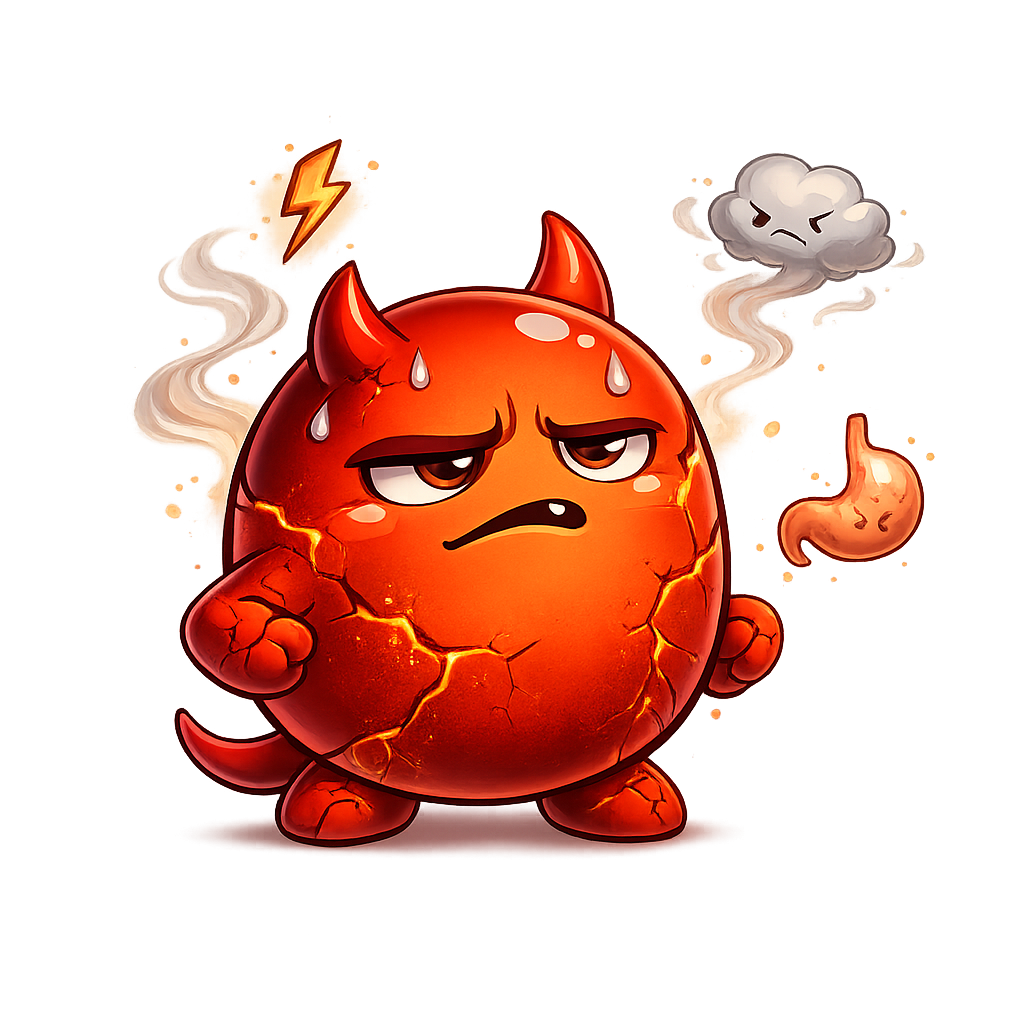
What it feels like: Canker sores. Raw throat. Mouth feels wrong.
Why it happens: Nicotine suppressed your immune system’s inflammatory response in your mouth and throat. When you quit, the immune system rebounds — sometimes aggressively. The same 2023 study found mouth ulcers in 40% of quitters, with 60% of cases resolving within 4 weeks.
When it peaks: Weeks 1–2.
When it fades: Most resolve within 4 weeks. Only 8% of cases were classified as severe.
Cough (“Quitter’s Cough”)
What it feels like: Paradoxically, you cough more after quitting, not less. Producing mucus. Throat clearing.
Why it happens: The cilia — tiny hair-like structures in your airways — were paralysed by smoke or vapour. After quitting, they reactivate and start clearing the accumulated debris. This is healing, not damage.
When it peaks: Weeks 2–4.
When it fades: Gradually improves over months. Heavy smokers may cough for up to a year. By 6–9 months, cilia function is near-normal (Mayo Clinic).
Nausea
What it feels like: Low-grade queasiness, particularly in the morning.
Why it happens: Nicotine affects gastric motility and acid secretion. Withdrawal disrupts these patterns. The 2023 PMC study found quitters had 4x higher nausea incidence than never-smokers, consistent through the first month.
When it peaks: Days 1–7.
When it fades: Typically resolves within 2–4 weeks.
Smoking vs. Vaping: Does Withdrawal Differ?
The core symptoms are the same — nicotine is nicotine. But the intensity and onset can differ.
Modern vapes using nicotine salts deliver higher concentrations more rapidly than cigarettes. A single JUUL pod contains the nicotine equivalent of roughly 20 cigarettes (Johns Hopkins Medicine). A 2021 study by Leavens et al. in Addiction found that exclusive e-cigarette users maintained cotinine levels (a nicotine metabolite) equal to when they smoked.
What this means in practice:
- Faster onset: Vapers may feel withdrawal symptoms sooner — within 1–2 hours rather than 2–4
- More intense cravings: The tighter cue-reward pairing from rapid nicotine delivery may produce sharper craving spikes
- Similar duration: The overall withdrawal timeline is comparable. Peak at day 3, significant improvement by week 2–3, most symptoms gone by month 1–3.
A 2024 study published in Drug and Alcohol Dependence confirmed that e-cigarette dependence severity tracks closely with cigarette dependence severity — the delivery device changes, but the addiction is equivalent.
When to See a Doctor
Withdrawal itself is not medically dangerous. The CDC and Cleveland Clinic are clear on this: nicotine withdrawal is uncomfortable but not life-threatening.
However, some symptoms warrant professional attention:
Schedule a doctor’s visit if:
- Depressed mood persists beyond 4 weeks or worsens significantly
- Withdrawal symptoms show no improvement after 3–4 weeks
- You have a history of major depression (you’re at higher risk for a new depressive episode during cessation)
- Cough persists beyond 1 month, worsens, or produces blood
- Symptoms feel unmanageable and you’re considering relapsing
Call the 988 Suicide & Crisis Lifeline or go to the ER if:
- You experience suicidal thoughts or self-harm ideation — research published in the International Journal of Environmental Research and Public Health confirms this is a recognised risk in early cessation, particularly for people with pre-existing mental health conditions
Call emergency services if:
- Sudden, severe chest pain — especially squeezing pain that radiates to arms, neck, or jaw
- Blood pressure reading of 180/120 mmHg or higher
- Shortness of breath combined with chest pain
A note on unmasked conditions: Withdrawal can sometimes reveal pre-existing anxiety disorders or depression that nicotine was masking. If symptoms persist beyond the expected timeline, it may not be withdrawal at all — it may be an underlying condition that now needs proper treatment. This is actually a good thing. It means you can get help for the real problem instead of self-medicating with nicotine.
The Part Nobody Tells You
Here’s what the clinical lists leave out: withdrawal severity varies enormously between people, and it’s not because some people are “stronger” than others.
A review in Pharmacological Reviews (McLaughlin et al., 2015) found that 29–53% of the variance in withdrawal severity is genetic. Read that again. Up to half of how bad your withdrawal feels is determined by your DNA, not your willpower.
If your withdrawal feels worse than what your friend described, it might literally be worse — biochemically, measurably worse. That doesn’t mean you can’t quit. It means the difficulty is real, and you shouldn’t judge yourself against someone else’s experience.
Every symptom on this list has an expiry date. Your brain is rebuilding itself. The receptors are normalising. The dopamine is recovering. Cravo — the craving — is losing power by the hour, even when it doesn’t feel that way.
That’s why we built Cravo — to show you the science behind what you’re feeling, in real time, so the craving can’t convince you that the suffering is permanent.
It’s not. Track your recovery →
Frequently Asked Questions
How long do nicotine withdrawal symptoms last?
Most acute symptoms peak within the first 3–5 days and resolve within 2–4 weeks. Some psychological symptoms (occasional cravings, mild mood changes) can persist for 1–3 months. By the 3-month mark, most people feel completely normal. The timeline is similar for smokers and vapers.
What is the hardest day of nicotine withdrawal?
Day 3 is consistently reported as the hardest. This is when nicotine is fully cleared from your bloodstream, withdrawal symptoms peak, and dopamine levels hit their lowest point. If you survive day 3, the worst is behind you.
Can nicotine withdrawal cause chest pain?
Mild chest tightness from anxiety is common during withdrawal and is not dangerous. However, sudden severe chest pain, squeezing pain radiating to arms or jaw, or chest pain with shortness of breath requires immediate medical attention — these could indicate a cardiac event unrelated to withdrawal.
Why do I feel worse after two weeks of quitting?
Around day 10–14, nicotinic receptor binding briefly rebounds before continuing to normalise (Mamede et al., 2007). This can cause a temporary uptick in symptoms that surprises quitters who expected linear improvement. It passes within a few days.
Is withdrawal harder for vapers than smokers?
The core experience is similar, but vapers using high-concentration nicotine salts may experience faster symptom onset and sharper craving spikes due to the rapid nicotine delivery mechanism. The overall duration is comparable.
“He who has a why to live can bear almost any how.” — Friedrich Nietzsche
This article is for informational purposes only and does not constitute medical advice. If you’re considering medication-assisted cessation, consult a healthcare professional.
Beat Your Craving
Your craving has a strategy.
Now you have one too.
Download Cravo — the app that fights cravings with you.
Download the App →