Quit Smoking Teeth Recovery: A Dentist's Timeline
Gum disease risk drops by 50% within 5-10 years of quitting. Staining fades. Healing accelerates. Here's the dental recovery timeline nobody shows you.

Written by Abhishek · Founder, heycravo
Medical review pending · Our editorial standards
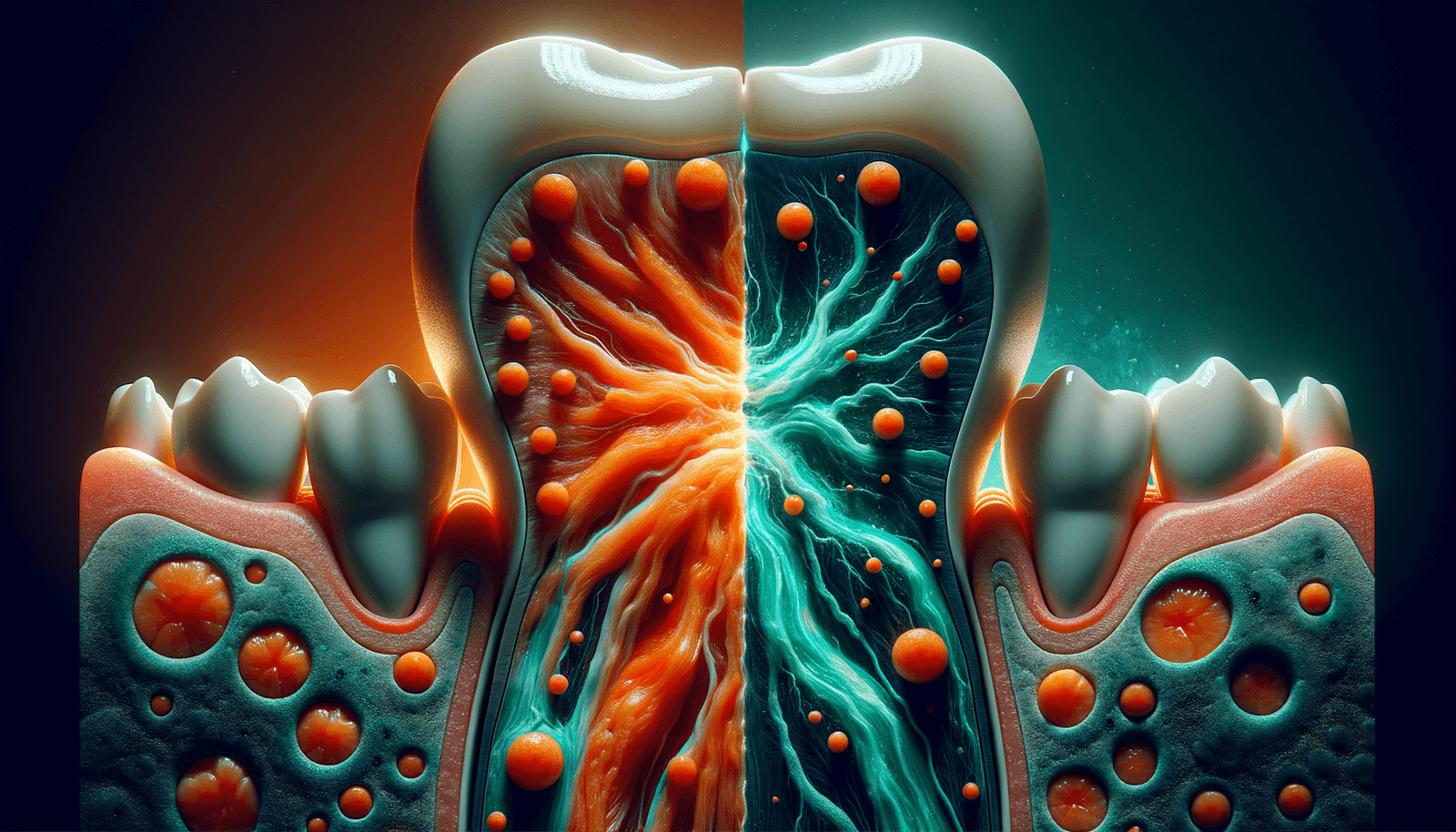
Your teeth were one of the first things smoking damaged. They might also be one of the first things you notice recovering. The quit smoking teeth improvement timeline is faster than most people expect — and it starts within hours of your last cigarette.
Dentists see it constantly. A patient comes in after six months smoke-free and their gums have gone from inflamed, bleeding, and receding to pink, firm, and stable. Staining that took years to accumulate starts shifting within weeks of professional cleaning. Healing after extractions and surgeries that would have been slow and risky becomes routine.
Yet most quit-smoking resources fixate on lungs and heart disease. The mouth barely gets a mention, despite being the first point of contact for every drag of smoke. That’s a missed opportunity, because oral recovery is visible, tangible, and surprisingly well-documented. You can see it in the mirror. Your dentist can measure it. And it starts sooner than you think.
What Smoking Actually Does to Your Mouth
Before we get to recovery, it helps to understand the damage you’re recovering from. This isn’t about guilt — it’s about context. When you know what was broken, you appreciate what’s being repaired.
Cigarette smoke delivers over 7,000 chemicals directly to your oral tissues with every puff. The effects are both local and systemic:
Reduced blood flow. Nicotine constricts blood vessels throughout the body, but the gums are particularly affected. Reduced blood supply means less oxygen, fewer immune cells reaching the tissue, and slower healing. This is why smokers’ gums often don’t bleed even when severely diseased — the inflammation is there, but the blood supply is too restricted to show it. Dentists call this “masked periodontitis.”
Disrupted oral microbiome. Smoking shifts the bacterial population in your mouth toward pathogenic species associated with gum disease. A 2016 study in the ISME Journal found that smoking significantly alters the oral microbiome within weeks, favouring anaerobic bacteria that cause periodontal destruction.
Impaired immune response. Smoke suppresses the function of neutrophils and macrophages — the immune cells responsible for fighting infection in the gums. Your body can’t mount a proper defence against the bacteria already thriving there.
Direct tissue damage. Heat and chemicals from smoke cause chronic inflammation of the oral mucosa, damage the salivary glands (reducing saliva flow), and impair the fibroblasts responsible for tissue repair.
Staining. Tar and nicotine deposit on tooth enamel, penetrating the porous surface over time. This isn’t just cosmetic — the roughened, stained surface provides additional grip for bacterial plaque.
The result? Smokers are 2–3 times more likely to develop severe periodontal disease than non-smokers (CDC). They lose more teeth, experience more implant failures, heal more slowly after surgery, and develop oral cancers at dramatically higher rates. Tobacco use is the single largest modifiable risk factor for gum disease after poor hygiene.
That’s the baseline you’re recovering from. Now here’s what happens when you stop.
The Dental Recovery Timeline

This timeline draws from periodontal research, dental surgery outcomes, and longitudinal studies tracking oral health in former smokers. The milestones are approximate — your experience depends on how long and heavily you smoked, your oral hygiene, and your genetics. But the direction is consistent.
24–48 Hours: Blood Flow Begins Returning
Within hours of quitting, the vasoconstrictive effects of nicotine start wearing off. Blood flow to the gums begins improving. This is the same cardiovascular recovery described in the quit smoking timeline, but here it has a very specific local consequence: your gums are getting more oxygen and more immune cells for the first time in however long you’ve been smoking.
You might actually notice your gums bleeding more when you brush during the first week or two. This isn’t a setback — it’s the opposite. Your gums now have enough blood supply to mount an inflammatory response to the bacteria that were already there. The disease was always present. Now your body can actually react to it.
2–4 Weeks: Saliva Flow Normalises
Smoking reduces saliva production and alters saliva composition. Saliva is your mouth’s primary defence mechanism — it washes away food particles, neutralises acids, delivers antimicrobial compounds, and remineralises enamel.
Within two to four weeks of quitting, salivary function begins recovering. You may notice your mouth feels less dry, food tastes different, and that persistent stale taste starts fading. As your nicotine withdrawal symptoms ease, this is one of the quieter but genuinely pleasant improvements.
1–3 Months: Gum Inflammation Starts Resolving
This is where measurable periodontal improvement begins. A landmark study published in the Journal of Clinical Periodontology (Bergström et al., 2000) found that gingival bleeding and probing depths — the standard clinical measures of gum disease — began improving within the first three months of cessation.
What’s happening at the tissue level: immune function in the gums is recovering, the bacterial balance in your mouth is starting to shift back toward healthier species, and the chronic inflammatory state caused by daily smoke exposure is beginning to resolve.
Your dentist would be able to measure this. You’ll feel it as less tenderness, less bleeding, and gums that look less red and swollen.
3–6 Months: Healing Capacity Transforms
If you’ve been avoiding dental work because of slow healing — or if your dentist has delayed procedures because of smoking-related risks — this is the window where things change.
By three to six months, the healing response after dental procedures (extractions, deep cleaning, minor surgery) approaches that of a non-smoker. Fibroblast function recovers, meaning your body can repair soft tissue damage properly. Blood supply to the gums has substantially improved.
This matters enormously for anyone needing periodontal treatment. Smokers who undergo gum surgery have significantly worse outcomes than non-smokers. Former smokers who’ve been quit for several months see outcomes that approach the non-smoking baseline.
6–12 Months: Professional Cleaning Makes a Visible Difference
Staining is the most cosmetically noticeable effect of smoking on teeth, and it’s the one people ask about most. Here’s the reality: existing staining doesn’t disappear on its own just because you quit. Tar and nicotine deposits that have penetrated the enamel surface need to be mechanically removed.
But here’s what changes. When you were smoking, any professional cleaning or whitening was fighting a losing battle — you’d undo the results within weeks. Now that no new staining is being deposited, a professional scale and polish at six months or a year can produce results that last. The improvement is cumulative and permanent.
At-home whitening toothpastes will have a mild effect on surface staining. For deeper discolouration, professional whitening (bleaching) is effective and now has a much better return on investment since you’re not re-staining daily.
1–5 Years: Periodontal Disease Risk Drops Significantly
The long game. A meta-analysis published in the Journal of Dental Research (Leite et al., 2018) found that the risk of periodontal disease in former smokers decreases progressively over time and approaches non-smoker levels after approximately 10 years of cessation. But the drop isn’t linear — most of the risk reduction happens in the first five years.
By one year, your response to periodontal treatment is significantly better than when you smoked. By five years, the excess risk of tooth loss from gum disease has roughly halved.
Bone loss — the most destructive consequence of periodontal disease — slows and in some cases stabilises. While bone that’s already been lost doesn’t regenerate spontaneously, the rate of further destruction drops dramatically once smoking stops and the periodontal condition is managed.
5–10 Years: Oral Cancer Risk Halves
Smoking is responsible for approximately 75% of oral cancers in the UK (Cancer Research UK). The risk of oral cancer in former smokers begins declining immediately after cessation and halves within 5–10 years. After 20 years, the risk approaches that of someone who never smoked.
This is the milestone that matters most in absolute terms. Oral cancer has a five-year survival rate of roughly 50% when caught late. Quitting smoking is the single most effective thing you can do to reduce that risk, second only to not starting.
Can a Dentist Tell If You Vape?
This is one of the most frequently searched dental questions, and the answer is more nuanced than a simple yes or no.
The short answer: A dentist can often identify signs consistent with vaping, but they can’t definitively confirm you vape just by looking in your mouth.
What they might notice:
- Dry mouth. Propylene glycol in e-liquid is a humectant that draws moisture from tissues. Chronic vapers often present with dry mouth, which any dentist will notice.
- Gum inflammation. Emerging research suggests nicotine-containing e-cigarettes cause some degree of gum inflammation and reduced blood flow, though less severely than combustible cigarettes. A 2022 review in BMC Oral Health found that vaping was associated with increased gingival inflammation compared to non-use.
- Nicotine staining. Heavy vapers — particularly those using high-nicotine devices — can develop mild yellowish staining, though far less than cigarette smoking produces.
- Oral tissue changes. Some case reports describe nicotine stomatitis (irritation of the palate) in heavy vapers, though this is more commonly associated with pipe smoking.
What they won’t see: The tar-based staining, severe periodontal destruction, and characteristic leukoplakia (white patches) that make cigarette smoking obvious to any dentist within seconds.
If you’ve switched from smoking to vaping as a step toward quitting entirely, your dentist will likely notice the improvement. If you’re considering quitting vaping altogether, the dental benefits will continue — full blood flow recovery, complete normalisation of the oral microbiome, and elimination of even the milder inflammatory effects that nicotine vaping produces.
What About Nicotine Pouches and Other Oral Nicotine Products?
Since nicotine itself constricts blood vessels and impairs immune function, any nicotine delivery method affects your gums to some degree. Nicotine pouches can cause localised gum irritation and recession at the site of placement. Nicotine gum used long-term is associated with similar localised effects.
The critical distinction: these products eliminate the combustion, tar, carbon monoxide, and thousands of additional chemicals that make cigarettes uniquely destructive to oral tissue. The effect of nicotine on the brain is the same regardless of delivery method, but the local oral damage from smoking specifically is in a category of its own.
For dental recovery, the priority is eliminating smoke. Eliminating nicotine entirely is the next step, and the complete guide to quitting covers every method for doing so.
Practical Steps to Accelerate Dental Recovery
Recovery happens on its own once you quit. But you can speed it along:
Book a dental appointment. Ideally within the first month of quitting. Tell your dentist you’ve stopped smoking. They can do a baseline assessment, perform a professional clean, and identify any periodontal issues that need treatment. Smokers often have significant undiagnosed gum disease because their symptoms were masked by reduced blood flow.
Improve your brushing. Twice daily with fluoride toothpaste, and — critically — use interdental brushes or floss daily. Smokers tend to accumulate more plaque in interdental spaces, and that plaque needs to be physically removed as your gums recover.
Stay hydrated. During withdrawal, dry mouth is common. Water, sugar-free gum, and avoiding excessive caffeine all help maintain saliva flow while your salivary glands recover.
Don’t mask the evidence. Avoid mouthwashes that contain alcohol — they dry out the mouth further. A non-alcoholic antimicrobial mouthwash (chlorhexidine, if prescribed by your dentist) is a better choice for the first few months.
Consider the financial angle. Dental recovery means fewer expensive procedures down the line — fewer deep cleans, fewer surgical interventions, fewer implants to replace lost teeth. If you want to see what quitting saves you beyond dentistry, the savings calculator puts a running total on it.
The Visibility Advantage
Most of the health benefits of quitting are invisible. You can’t see your heart disease risk dropping. You can’t watch your lung function improving on a daily basis. These are statistical improvements that play out over years.
Your teeth are different. You can see the staining fade after a professional clean. You can feel your gums stop bleeding. You can taste food more vividly. You can smile without the self-consciousness that years of yellowed, stained teeth created.
This matters for motivation. When the craving tells you nothing is changing — and it will, because that’s what cravings do — your mouth is the most accessible counterargument. Look in the mirror. That’s evidence.
That’s also why we built Cravo. Every recovery milestone, tracked in real time. Your dental recovery is just one of the timelines the app makes visible — so the craving loses its favourite argument.
Frequently Asked Questions
How long does it take for gums to heal after quitting smoking?
Gum inflammation begins improving within 1–3 months. Bleeding on brushing may initially increase (a sign of recovering blood flow) before settling down. Periodontal probing depths and attachment levels improve measurably within 3–6 months. Full normalisation of gum disease risk takes 5–10 years, but the most clinically significant improvement occurs in the first year.
Will my teeth get whiter after I quit smoking?
Quitting prevents further staining, but existing tar and nicotine deposits don’t disappear spontaneously. A professional dental clean will remove surface staining, and the results will last much longer now that you’re not re-depositing tar daily. For deeper discolouration, professional whitening treatments are effective and have a better cost-benefit ratio for former smokers than for current ones.
Can gum recession from smoking be reversed?
Mild recession can stabilise and in some cases improve slightly as gum inflammation resolves and tissue health improves. Significant recession — where bone loss has already occurred — typically doesn’t reverse on its own but can be treated surgically (gum grafting). The key benefit of quitting is stopping further recession and creating conditions where surgical repair has the best possible outcome.
Does vaping cause the same dental damage as smoking?
No. Vaping eliminates combustion, tar, and carbon monoxide — the primary drivers of severe periodontal disease, tooth staining, and oral cancer. However, nicotine-containing e-cigarettes still constrict blood vessels, impair immune function, and cause some degree of gum inflammation. The dental damage from vaping appears to be significantly less severe than from smoking, but it’s not zero.
How soon after quitting can I get dental implants?
Most oral surgeons recommend being smoke-free for at least 8–12 weeks before implant placement. Smoking dramatically increases implant failure rates — some studies report failure rates 2–3 times higher in smokers. After several months smoke-free, your healing capacity approaches normal, and implant success rates are comparable to non-smokers.
I quit smoking but started vaping. Are my teeth still recovering?
Yes — substantially. The elimination of combustion products means the worst drivers of dental damage are gone. Your gums will recover most of their function, staining will stop progressing, and your oral cancer risk will drop. However, if you’re still using nicotine, some vasoconstrictive effects remain. Full dental recovery happens when both smoke and nicotine are eliminated.
“The mouth is the mirror of the body.” — Ancient medical proverb, cited in the Journal of Indian Society of Periodontology
This article is for informational purposes only and does not constitute medical or dental advice. If you have concerns about your oral health, consult a dentist or periodontist. If you’re considering quitting smoking, speak with a healthcare professional about cessation support.
Beat Your Craving
Your craving has a strategy.
Now you have one too.
Download Cravo — the app that fights cravings with you.
Download the App →