How to Quit Vaping While Managing ADHD
Nicotine improves attention and working memory — which is why ADHD brains are drawn to it. Here's an ADHD-specific cessation guide that accounts for how your brain actually works.

Written by Abhishek · Founder, heycravo
Medical review pending · Our editorial standards
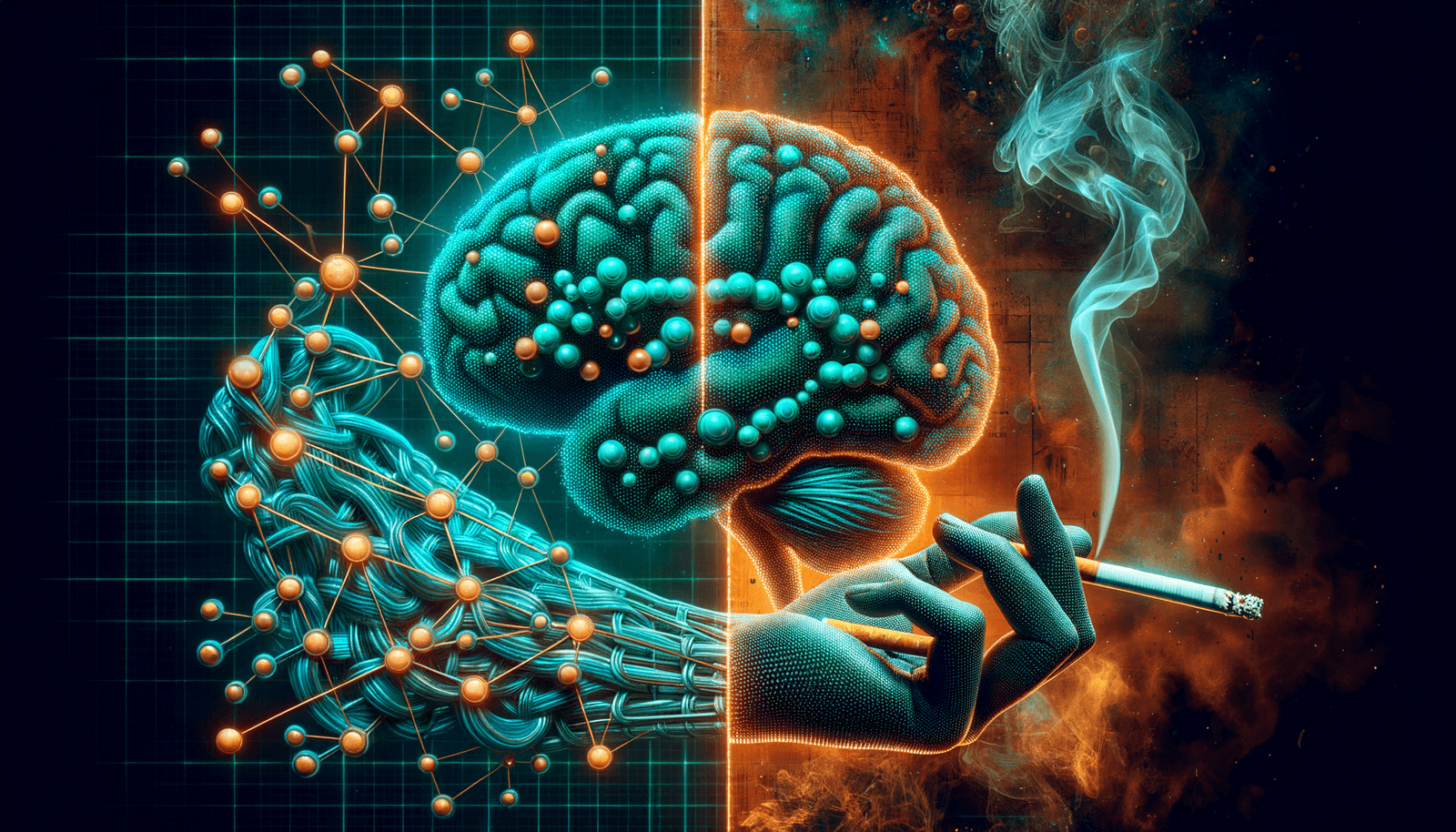
If you have ADHD and you vape, nobody needs to explain why you started. Nicotine makes your brain work better — temporarily. That’s not a moral failing. It’s neurochemistry.
The overlap between vaping and ADHD is massive and massively underserved. Studies show that people with ADHD are two to three times more likely to use nicotine than the general population. Adults with ADHD smoke at rates roughly double the national average. And when researchers ask why, the answer keeps coming back to the same thing: self-medication. Nicotine genuinely improves attention, working memory, and impulse control — the exact functions ADHD impairs.
So when you try to quit vaping with ADHD, you’re not just fighting nicotine withdrawal. You’re losing a cognitive crutch that was — however destructively — doing something real for your brain.
Most cessation advice doesn’t account for this. It assumes a neurotypical baseline. “Just push through the brain fog.” Right. The brain fog you already had before nicotine, which nicotine was masking, and which now hits you twice as hard.
This guide is different. It’s built around how ADHD brains actually work — and why the standard playbook fails them.
Why ADHD Brains Get Hooked Harder
ADHD is fundamentally a dopamine regulation disorder. The ADHD brain underproduces dopamine in the prefrontal cortex — the region responsible for attention, planning, and impulse control. This is why stimulant medications like methylphenidate and amphetamine salts work: they increase dopamine availability in exactly the areas where ADHD brains run short.
Nicotine does something remarkably similar.
When nicotine binds to nicotinic acetylcholine receptors in the ventral tegmental area, it triggers dopamine release in the nucleus accumbens and the prefrontal cortex. A 2008 meta-analysis by Heishman et al. in Psychopharmacology reviewed 41 double-blind studies and found that nicotine significantly improves fine motor performance, alerting attention, orienting attention, short-term memory, and working memory — even in non-smokers.
For someone with ADHD, this is not a recreational buzz. It’s functional relief. Nicotine does in seconds what their brain struggles to do on its own. The neurological mechanism is well documented: rapid dopamine delivery to precisely the circuits that ADHD leaves understimulated.
This creates a uniquely vicious cycle:
- ADHD impairs dopamine regulation — you feel scattered, understimulated, unable to focus
- Nicotine temporarily fixes the deficit — attention sharpens, working memory improves
- Your brain wires nicotine as essential — cue-reward pairing is faster and deeper because the reward is functional, not just pleasurable
- Withdrawal reactivates the original ADHD deficit plus a new nicotine deficit — you feel worse than before you ever started
This is why quitting rates are lower among people with ADHD. A 2013 study in Nicotine & Tobacco Research by Humfleet et al. found that smokers with ADHD symptoms were significantly less likely to achieve abstinence, even with standard treatment. The problem isn’t motivation. It’s that withdrawal hits ADHD brains harder, in exactly the areas they were already struggling.
The Self-Medication Trap
Here’s what the craving doesn’t want you to understand: nicotine is a terrible ADHD treatment. It just feels like a good one.

The attention improvement from a single dose of nicotine lasts about 20–45 minutes. Then it drops. Then it drops below your pre-dose baseline, because withdrawal creates a deficit that didn’t exist before you vaped. So you hit the vape again. And again. And each cycle trains your brain to depend on nicotine for the focus it used to scrape together on its own.
Prescription ADHD stimulants, by contrast, provide sustained dopamine support for 8–12 hours. They don’t create a withdrawal crash between doses. They don’t upregulate receptors in the way nicotine does. And they don’t carry the cardiovascular and respiratory risks of inhaling heated aerosol into your lungs 200 times a day.
Nicotine is self-medication with a built-in dependency engine. As we’ve covered in why quitting nicotine is so hard, the drug literally rewires your brain’s reward circuitry — growing extra receptors that scream for the next dose. ADHD brains, already running low on dopamine, feel this withdrawal more acutely.
The craving tells you that you need nicotine to function. The truth is that nicotine created a new dysfunction and is charging you admission to temporarily fix it.
ADHD-Specific Quit Strategies That Actually Work
Generic cessation advice — “tell a friend,” “chew gum,” “take deep breaths” — is inadequate for neurotypical brains. For ADHD brains, it’s almost insulting. Here’s what actually helps.
1. Get Your ADHD Treated Properly First
This is step zero and it’s non-negotiable. If your ADHD is unmanaged or undertreated, quitting nicotine is like trying to run on a broken ankle. The withdrawal will unmask every ADHD symptom that nicotine was suppressing, and without a support structure, you’ll be back on the vape within days.
Talk to your prescriber. If you’re on ADHD medication, discuss whether the dose needs adjusting before or during your quit attempt. If you’re not on medication and suspect you have ADHD, get assessed. This is not about taking more drugs — it’s about making sure your brain has legitimate support before you remove the illegitimate support.
A 2018 study by Covey et al. published in Journal of Clinical Psychiatry found that optimised ADHD treatment significantly improved smoking cessation outcomes. You’re not gaming the system. You’re giving yourself a fair fight.
2. Expect Worse Brain Fog — and Plan Around It
When neurotypical people quit nicotine, they experience brain fog for one to three weeks as acetylcholine pathways recalibrate. The full list of withdrawal symptoms is unpleasant for everyone, but for someone with ADHD, “brain fog” hits different. It lands on top of existing executive function deficits.
Practical steps:
- Reduce cognitive demands during Week 1. Don’t quit during a work deadline or exam period. If you can, take a few days off
- Write everything down. Your working memory will be temporarily worse. External systems — lists, reminders, alarms — compensate for what your brain can’t hold
- Use body doubling. Work alongside someone else, even virtually. ADHD brains regulate attention better with social accountability
- Shorten your task cycles. If you normally work in 25-minute Pomodoro intervals, drop to 15. Match the interval to your actual capacity, not your aspirational capacity
3. Replace the Stimulation, Not the Nicotine
ADHD brains are stimulation-seeking. When you remove nicotine, your brain will hunt aggressively for replacement stimuli. If you don’t provide one deliberately, it’ll find one — doom-scrolling, binge eating, impulse purchases.
Effective replacements share three properties: they’re immediately available, mildly stimulating, and physically engaging.
- Cold exposure. A cold shower or holding ice cubes. The sensory jolt is surprisingly effective at breaking a craving. This works because it activates the sympathetic nervous system — a sharp, immediate stimulus
- Intense exercise. Not a gentle walk. Sprint intervals, heavy weights, or something that spikes your heart rate. Exercise increases dopamine and noradrenaline — the same neurotransmitters ADHD medication targets
- Fidget tools and oral substitutes. Toothpicks, sugar-free mints, chewable necklaces. The oral fixation component of vaping is underestimated, especially for ADHD brains that crave sensory input
- Novelty. ADHD brains perk up for new experiences. Rearrange your workspace. Take a different route. Change the playlist. Novelty triggers mild dopamine release without chemical dependency
4. Use External Structure, Not Internal Willpower
The standard cessation advice to “stay motivated” assumes functional executive control. ADHD impairs exactly that. Relying on willpower alone is setting yourself up to fail — not because you’re weak, but because the prefrontal cortex takes a measurable hit during withdrawal.
Build structures that don’t require willpower:
- Remove every vape, pod, and charger from your environment. ADHD brains act on impulse. If the vape is within arm’s reach, the decision is already made before your prefrontal cortex can intervene
- Tell someone who will check in daily. Not “I’m quitting” and then silence. Active, daily check-ins with a person who will ask
- Use commitment devices. Give a friend money that you forfeit if you relapse. Bet against your future impulsive self
- Set phone alarms for craving-prone times. Morning, post-lunch, evening. The alarm interrupts the automatic cue-response pattern
5. Track the Cravings Separately from the ADHD
This is critical and almost nobody talks about it. When you quit vaping with ADHD, you’ll experience two overlapping but distinct phenomena:
- Nicotine withdrawal symptoms — irritability, anxiety, cravings, insomnia. These peak at Day 2–3 and fade over weeks
- Unmasked ADHD symptoms — inattention, restlessness, impulsivity, emotional dysregulation. These don’t fade. They were always there; nicotine was hiding them
Learning to distinguish between the two changes everything. A craving that hits at 3pm when you always vaped is nicotine withdrawal — it has an expiry date. The inability to sit through a meeting without fidgeting is ADHD — it needs ongoing management, not nicotine.
Understanding what a craving actually is — a temporary neurological event, not an instruction — helps you observe the withdrawal without acting on it. The ADHD symptoms need a different response: medication adjustment, behavioural strategies, professional support.
6. Consider Gradual Reduction Instead of Cold Turkey
For neurotypical brains, cold turkey tends to outperform tapering. But ADHD brains may be an exception.
The rationale: cold turkey creates an acute cognitive crash. For a brain that already struggles with attention and impulse control, the sudden loss of nicotine-mediated dopamine support can be overwhelming. A structured step-down — reducing nicotine strength by 3–6mg every one to two weeks — gives your brain time to partially adapt at each stage.
This is not permission to taper forever. Set a clear schedule with specific dates and nicotine levels. Write it down. Share it with your accountability person. The goal is still zero — you’re just getting there via a route that doesn’t cripple your executive function on Day 1.
The Money You’re Burning
One thing ADHD brains respond to: concrete, immediate numbers.
A disposable vape habit costs roughly £5–10 per day in the UK. That’s £1,800–3,600 per year. In five years, you’ll have spent £9,000–18,000 on flavoured nicotine aerosol.
Run your own numbers with the Savings Calculator. Seeing the exact figure — not an abstract “it’s expensive” — makes the cost tangible in a way that registers for ADHD brains, which discount future rewards heavily.
When to Get Professional Help
Seek support beyond self-help if:
- You’ve tried to quit more than three times without success
- You have co-occurring anxiety or depression alongside ADHD
- Your ADHD medication isn’t adequately managed
- You’re using nicotine to regulate emotional dysregulation (a core ADHD feature that’s often overlooked)
A prescriber familiar with both ADHD and substance cessation can coordinate treatment — adjusting ADHD medication timing, considering varenicline or bupropion (which also has mild ADHD benefits), and monitoring for mood changes during withdrawal.
Don’t treat these as two separate problems. They’re intertwined, and the treatment should be too.
Frequently Asked Questions
Is nicotine actually helpful for ADHD?
Acutely, yes — nicotine improves attention and working memory in controlled studies (Heishman et al., 2010). But the improvement lasts under an hour per dose, and chronic use creates tolerance, dependence, and a withdrawal cycle that worsens net cognitive function. Prescription ADHD medications provide longer, more stable benefits without the addiction cycle.
Why is quitting nicotine harder with ADHD?
Three reasons. First, nicotine withdrawal directly impairs executive function — the same system ADHD already weakens. Second, people with ADHD tend to have stronger cue-triggered impulsivity, making it harder to resist cravings in the moment. Third, ADHD brains discount future rewards more steeply, making the immediate relief of a vape hit disproportionately compelling compared to the distant benefits of quitting.
Should I quit vaping before starting ADHD medication, or after?
After — or ideally, once your ADHD medication is optimised. Trying to quit nicotine with untreated ADHD is significantly harder. Research shows better cessation outcomes when ADHD is managed first (Covey et al., 2018). Talk to your prescriber about sequencing.
Can ADHD medication replace the focus that nicotine provided?
Yes. Stimulant medications (methylphenidate, amphetamine salts) increase dopamine and noradrenaline in the prefrontal cortex — the same mechanism nicotine exploits, but with sustained release, controlled dosing, and no respiratory damage. Most people find their focus improves beyond what nicotine ever delivered, because the medication effect lasts hours rather than minutes.
How long will withdrawal be worse because of ADHD?
The nicotine-specific withdrawal symptoms follow the same timeline as for neurotypical brains — peaking at Day 2–3 and largely resolving within two to four weeks. But the unmasked ADHD symptoms don’t resolve on their own. If you notice persistent inattention, restlessness, or emotional dysregulation beyond the withdrawal window, that’s your ADHD, not lingering withdrawal. Discuss this with your prescriber.
Is vaping worse than smoking for someone with ADHD?
The nicotine delivery is similar, but modern vapes deliver higher concentrations more rapidly. This creates tighter cue-reward pairing — particularly problematic for ADHD brains that already struggle with impulse control. Higher nicotine exposure also means greater receptor upregulation and a harder withdrawal. The withdrawal symptom profile is broadly the same, but the intensity may be higher.
“The secret of change is to focus all of your energy not on fighting the old, but on building the new.” — Socrates (via Dan Millman)
Your ADHD brain isn’t broken. It’s wired differently. Nicotine exploited that wiring. But the same neuroplasticity that let nicotine dig in is the mechanism that lets your brain dig out. Three weeks for receptor normalisation. Three months for dopamine recovery. You’ve waited longer for an ADHD assessment.
If you’re ready to see the craving for what it is — a temporary villain, not a permanent resident — join Cravo. We built it for brains that don’t quit the easy way. Because there is no easy way. There’s just the way through.
This article is for informational purposes only and does not constitute medical advice. ADHD management and nicotine cessation should be discussed with a qualified healthcare professional, particularly if you are taking or considering medication.
Beat Your Craving
Your craving has a strategy.
Now you have one too.
Download Cravo — the app that fights cravings with you.
Download the App →