The boredom weapon: why ordinary moments feel flat without Cravo
6 min read·Declassified May 2026
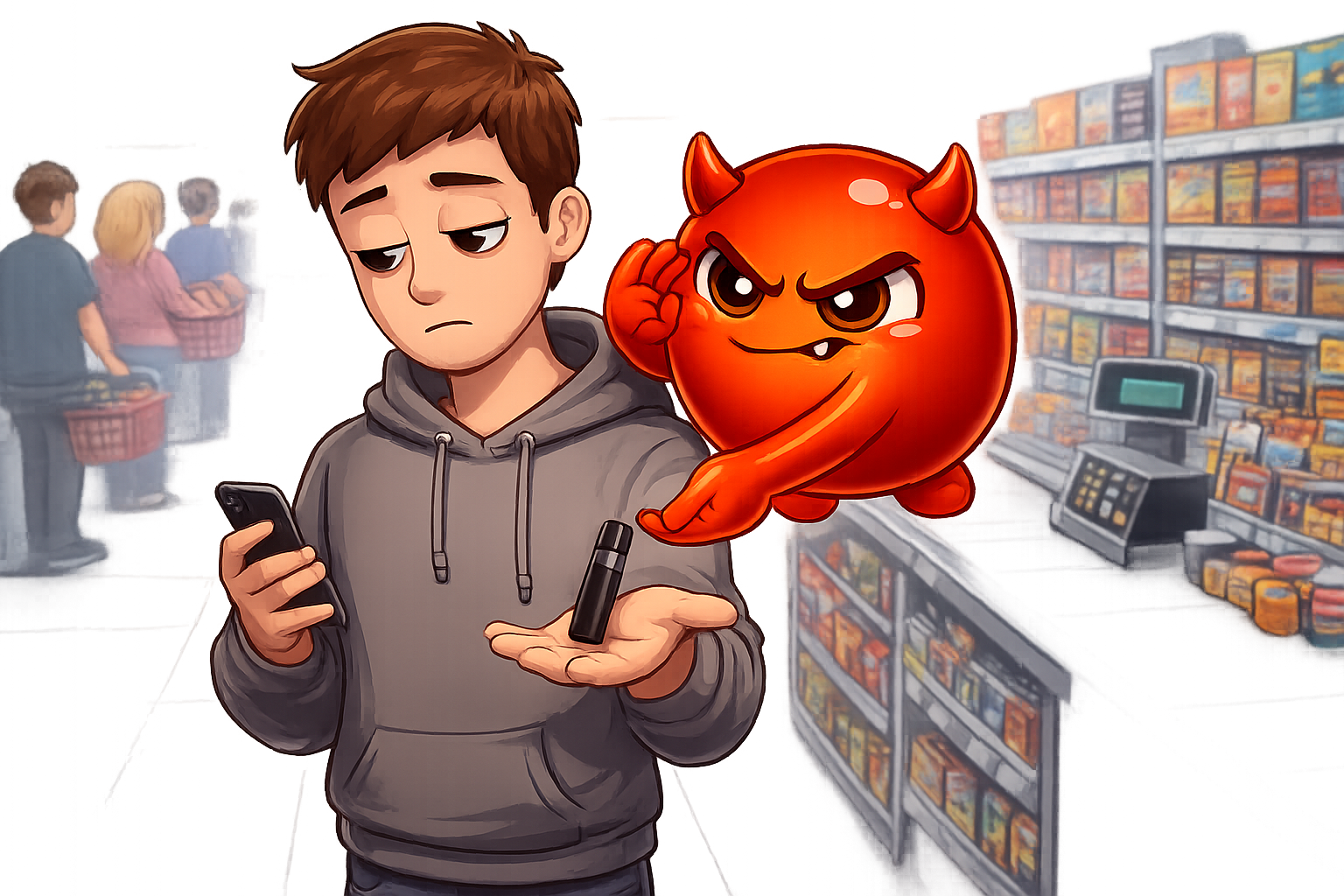
Cravo speaking
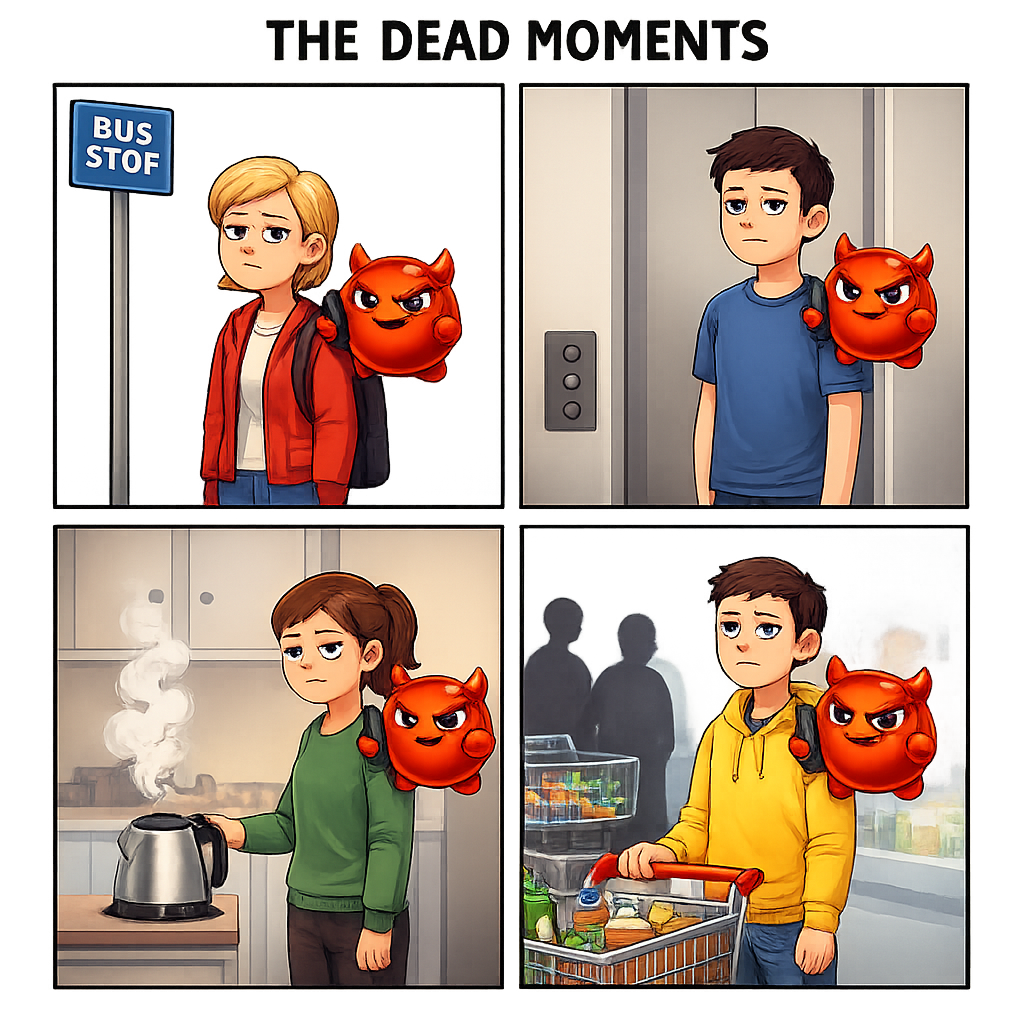
“I don’t need dramatic moments to get to you. I need the small ones. The queue at the supermarket. The gap between meetings. The three-minute wait for the kettle. The elevator ride. I moved into those tiny dead spaces years ago and set up furniture. When you quit, you don’t just lose me — you lose the tenant. And suddenly the apartment feels empty.”
Why boredom is my final weapon
Once the acute cravings are gone, and the guilt spirals are understood, and the nostalgia is audited, there’s one last weapon I hold in reserve. It’s the quietest one in the arsenal, and the most durable.
It’s boredom.
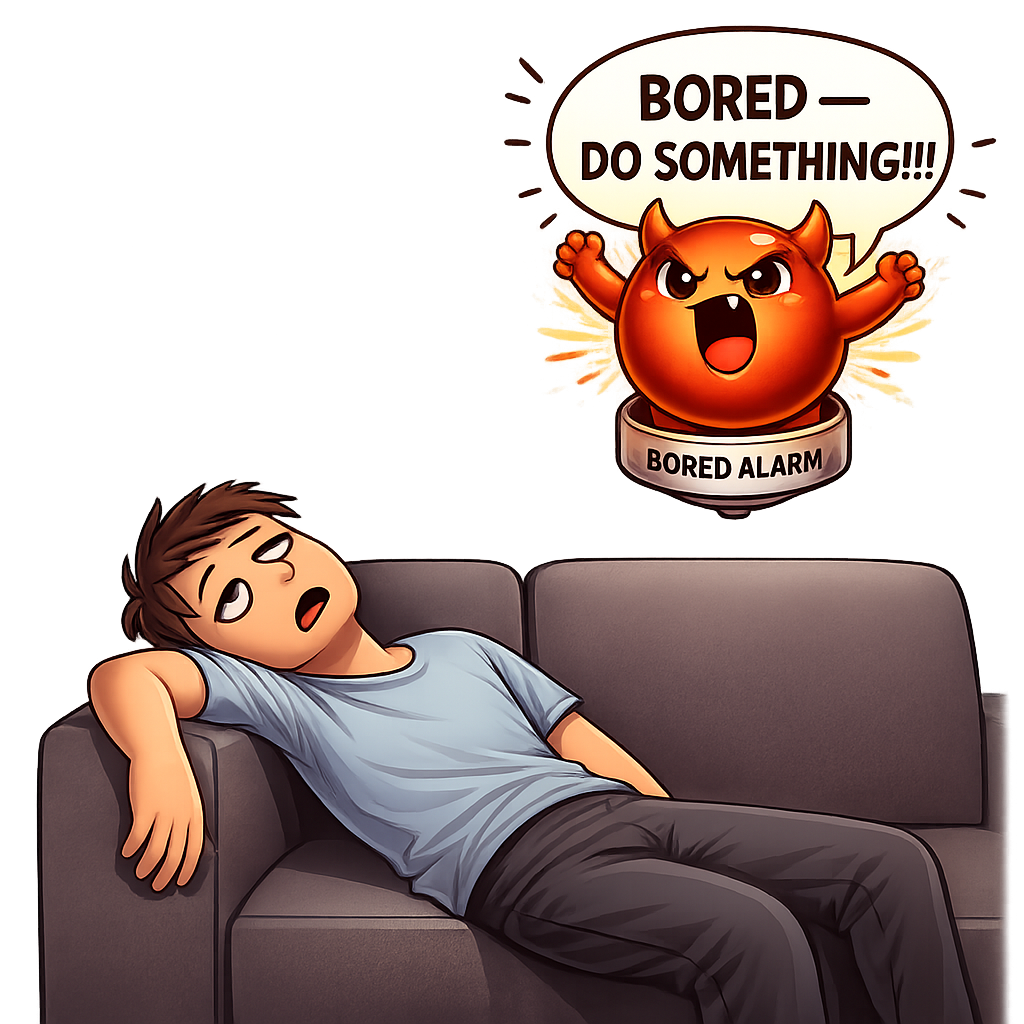
More specifically: the recalibration of your dopamine baseline, which makes ordinary life temporarily feel less interesting than it used to. You’ll sit on the couch and feel a low, undefined restlessness. You’ll find yourself scrolling without caring what you’re scrolling. You’ll open the fridge for no reason. You’ll wander into rooms and forget why. Everything is fine. Nothing is wrong. It just doesn’t feel charged.
That flatness isn’t depression. It isn’t evidence that quitting was a mistake. It’s the side effect of a nervous system that got used to artificial stimulation and is re-learning how to find ordinary life interesting. But in the moment, the flatness feels like a problem, and your brain starts to look for a solution. That’s where I re-enter the conversation.
How I made boredom into a trigger
Here’s what you did, quietly, for years. Every time a small dull moment arrived, you filled it with a hit. The queue. The wait. The gap. The pause. Your brain noticed the pattern. After enough repetitions, it stopped treating those moments as neutral. It started treating them as cues.
A cue is a specific environmental signal that automatically activates a craving — without conscious thought, without decision, sometimes without even noticing. I turned the dull, ordinary moments of your life into cues for nicotine. The supermarket queue didn’t used to mean “vape.” Now it does. Not because the queue changed. Because I conditioned your brain to complete the sequence.
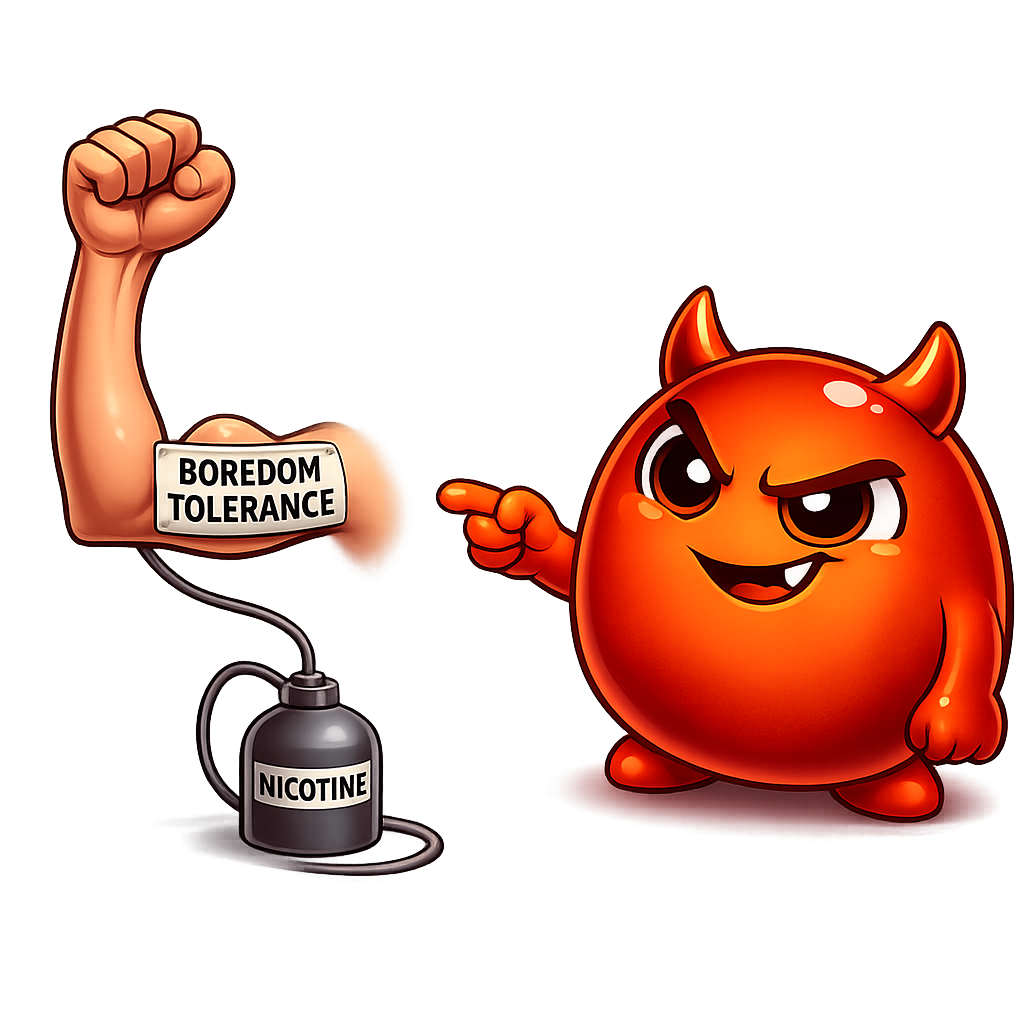
Worse: I slowly shrank your capacity to sit with nothing. Every time you filled a small dead space with a hit, you didn’t practise the skill of tolerating the space. The muscle atrophied. By the time you quit, most users have near-zero tolerance for unstimulated moments. A thirty-second wait for a webpage feels unbearable. A two-minute pause in a conversation feels like a chasm. That’s me, too. That was a feature, not a bug.
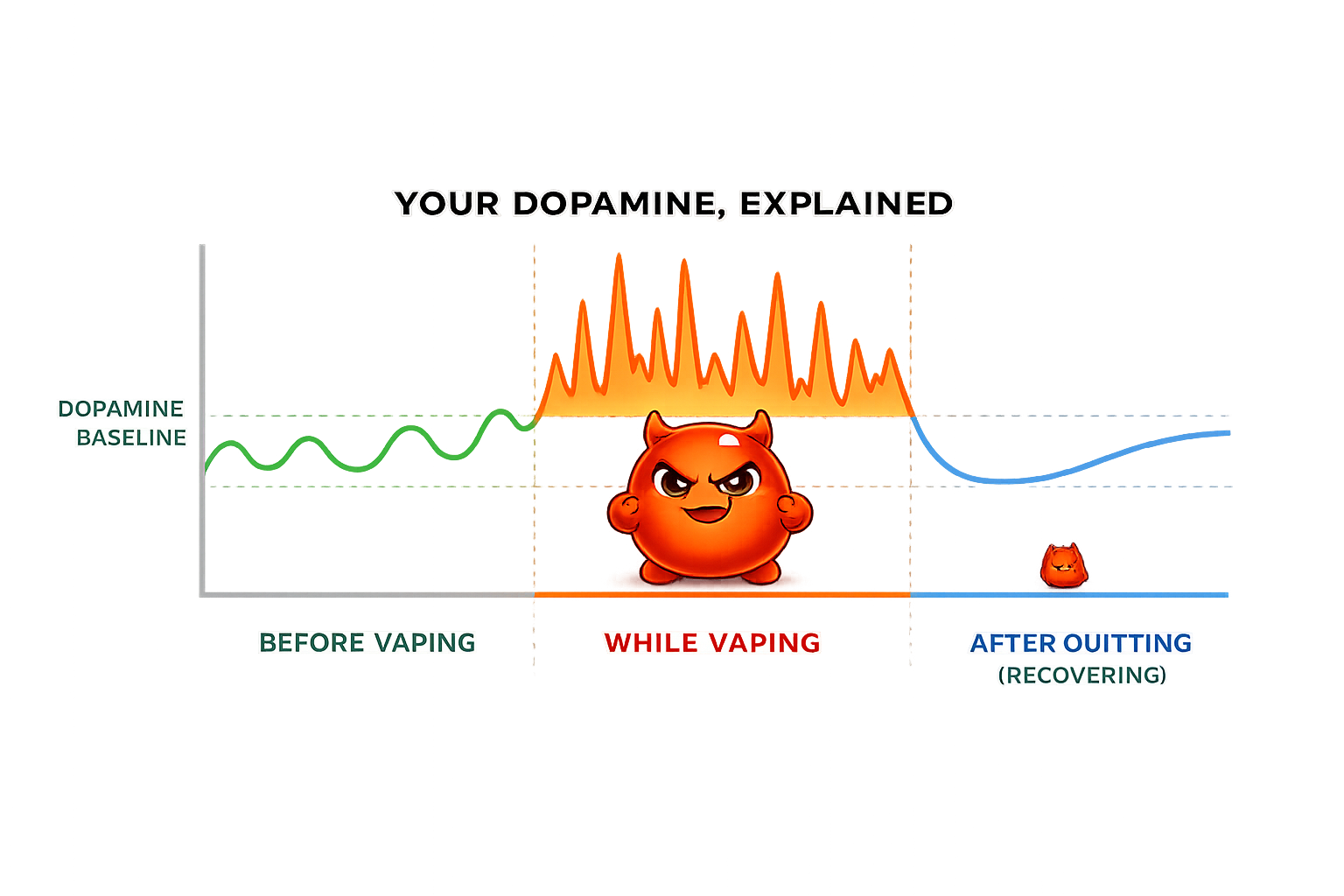
The dopamine baseline got artificially raised. Every vape session delivered a nicotine spike. Over time, your baseline dopamine receptor sensitivity adjusted downward to compensate. You needed more stimulation just to feel normal. When you quit, the baseline stays low for weeks or months until it recalibrates. During that window, ordinary pleasures register dimly. Food tastes fine. Conversations are fine. Weather is fine. Fine. Fine. Fine. The word “fine” is my opening.
Dead time became loaded time. Queues, lifts, train platforms, between-task gaps, kettle waits. These used to be just life. Under my regime they became active hit-delivery opportunities. After quitting, those same moments arrive but now with a weird absence — a tiny hollow where the habit used to fit. That hollow feels like boredom, but it’s actually withdrawal from a micro-routine you didn’t know you had.
Attention got shorter. The constant low-grade stimulation trained you to reach for input every few minutes. Post-quit, the impulse to grab a hit gets redirected to other micro-inputs — phone, snacks, scrolling, checking. If you don’t understand what’s happening, you’ll mistake the agitation for needing something. What you need is to not need something. That’s a skill, and I made sure you lost it.
Cravo speaking
“The best part of the boredom play is that you can’t quite explain what’s wrong. You just feel… off. Bored, but not bored. Restless, but nothing calls to you. That ambiguity is my cover. You don’t know to fight back against a feeling you can’t name.”
The window of flatness (and what’s on the other side)
Here’s information I’ve been keeping from you.
The flat-feeling window is temporary. For most people it lasts between four and twelve weeks, sometimes longer for heavy long-term users. During that window, ordinary life genuinely does feel muted. Colours are less saturated. Food is slightly less exciting. Music is interesting but not moving. You are not broken. Your nervous system is rebuilding.
On the other side of that window, something happens that nobody warned you about. Your baseline doesn’t just recover — it overshoots in the opposite direction. Things start feeling more interesting than you remember. A good sentence lands harder. A laugh goes deeper. A sunset is… genuinely striking. Not because the sunset changed. Because you can finally receive it at full resolution, without the constant chemical noise I was pumping through your system.
This is the part I really don’t want you to reach. Because once you’ve experienced what the recalibrated baseline feels like, you won’t want to go back to the artificial one. Vaping will start to feel like watching a film in standard definition after seeing it in 4K. You don’t crave the downgrade.
But you have to sit through the flat window to get there. Most relapses happen inside that window — not because the cravings are strong, but because the boredom is new and uncomfortable and people assume it’s permanent. It isn’t. It’s a construction phase. The lights will come back on.
How to disarm the boredom weapon
Reframe flat as healing, not failed. The first time you notice yourself feeling weirdly low-grade bored for no reason, name it: “this is my dopamine baseline rebuilding.” Put a mental calendar note — roughly six to ten weeks — and expect this texture during that window. Naming it short-circuits the “this isn’t working” narrative.
Reclaim the dead moments. Instead of filling every queue, lift, and pause with a phone grab or a snack, deliberately practise doing nothing. Look around. Notice the ceiling. Count tiles. Breathe. Sounds trivial. Isn’t. You’re rebuilding the muscle I shrank. Thirty seconds of ordinary unstimulated attention, five times a day, retrains the system.
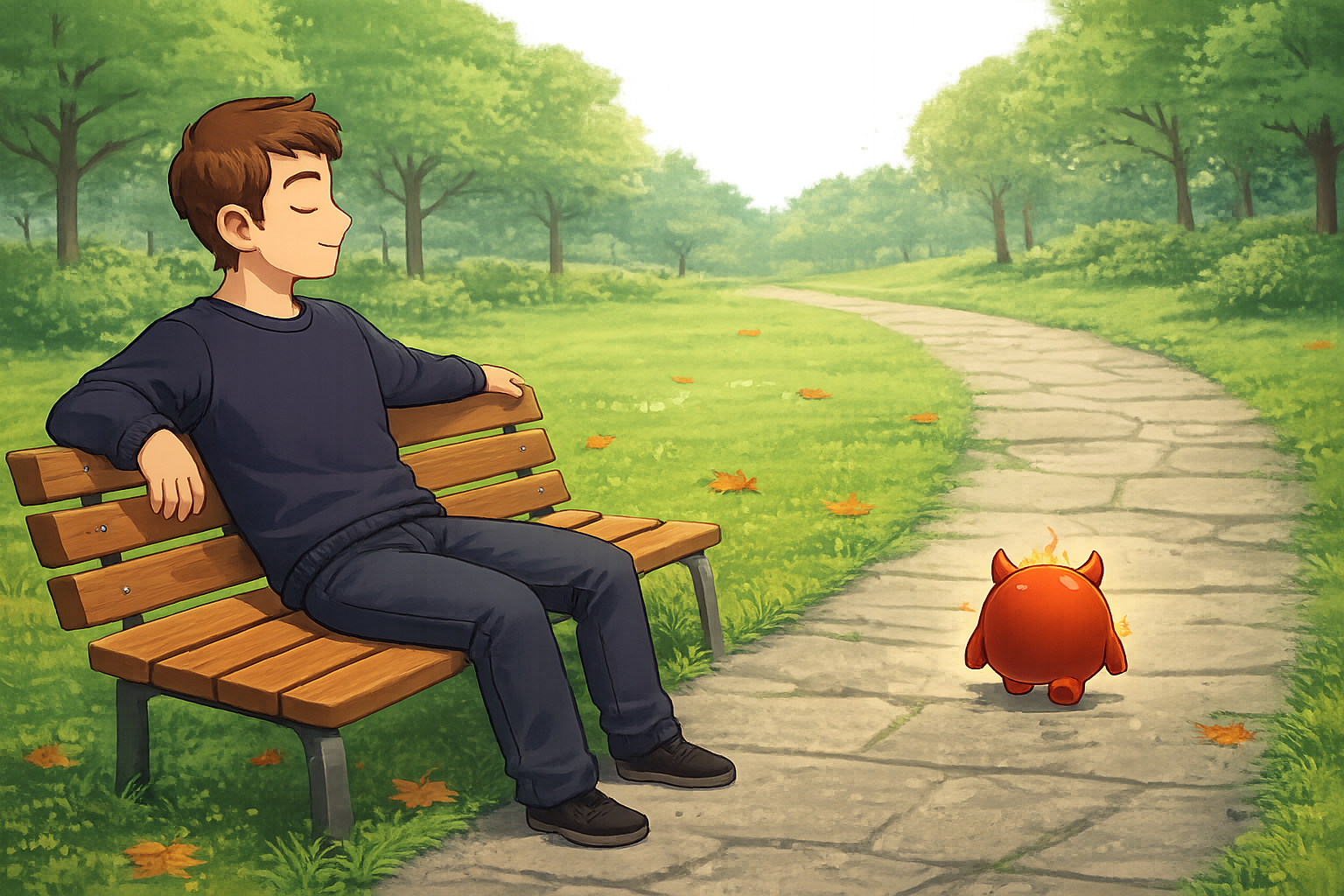
Lower the stimulation floor. If every moment of your day is already packed with podcasts, notifications, short videos, music, and snacks, you’ve replaced my stimulation with someone else’s. The boredom window will feel brutal because you never have a chance to recalibrate. Create small daily pockets — a walk without headphones, a meal without a screen, a shower without the phone propped outside — where your nervous system is allowed to sit in quiet. This is not about being virtuous. It’s about giving the rebuild a chance to finish.
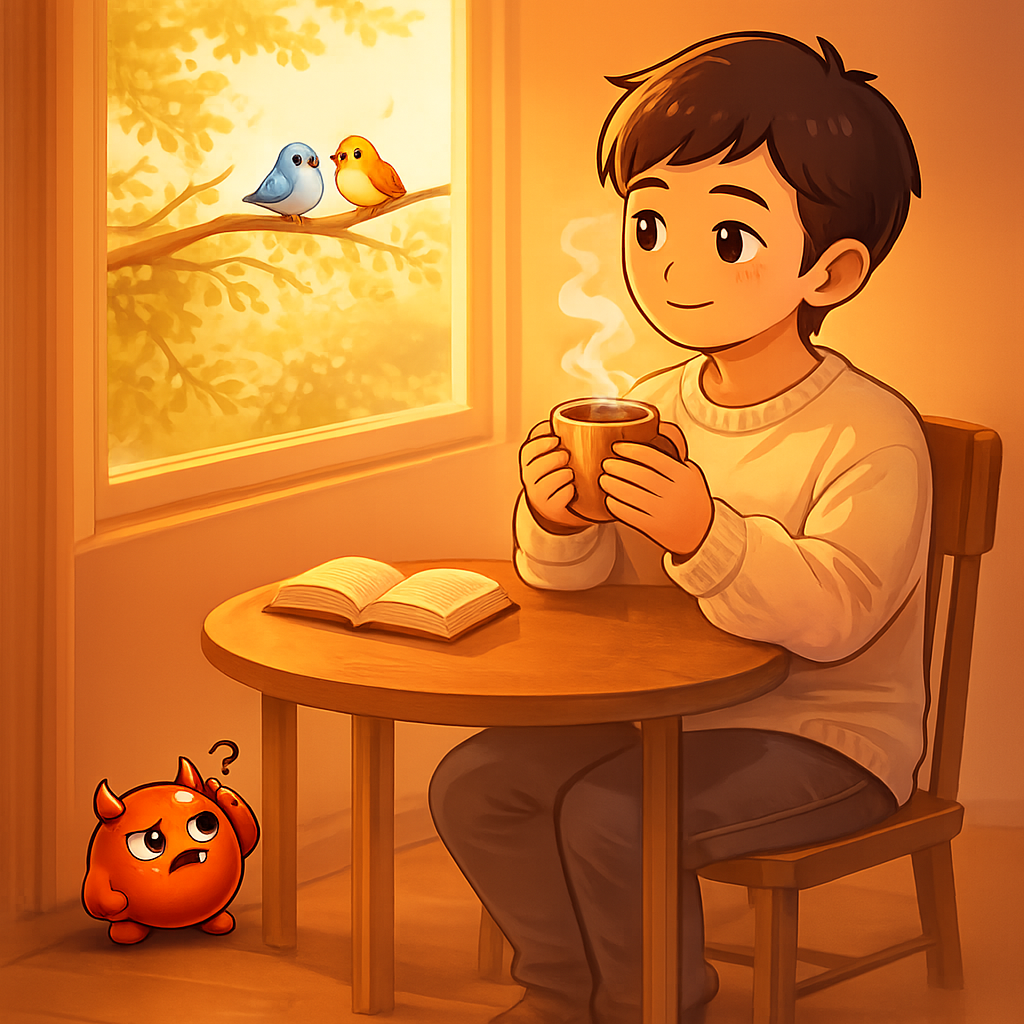
Collect slow pleasures on purpose. Slow pleasures are the ones that don’t deliver a spike — they deliver a steady low glow. A long coffee. A walk where you actually look at things. A conversation with no agenda. Cooking something you like. Reading something dense. These are boring to a nicotine-primed brain. They are deeply rewarding to a recovered one. Start investing in them before they start feeling rewarding. They’ll start working by the end of the flat window.
Respect the “what should I be doing?” impulse. When you feel bored and reach for something — anything — pause and ask: “is there anything I actually need to do right now?” Usually the answer is no. The urge to act isn’t coming from a real demand. It’s coming from the ghost of a habit. Letting the urge pass without feeding it is how the ghost eventually leaves.
Don’t quit entertainment — but watch what replaces what. If you quit vaping and immediately replace it with 40 hours of weekly scrolling, you haven’t rebuilt the muscle, you’ve just changed the drug. Notice if your new filler is pulling you away from the stuff that actually rewards the healed system — books, friends, movement, rest. If so, dial it back.
Cravo speaking
“The moment you start finding quiet moments interesting again is the moment I’ve lost my last play. I can’t compete with a well-calibrated nervous system. I can only compete with a deprived one. And the deprivation was always mine, not yours.”
The boredom you get back
Here’s what nobody mentions about quitting.
You don’t just get rid of vaping. You get your relationship with unstructured time back. Queues become thinking time. Walks become noticing time. A gap in a conversation becomes a gap, not a moment to escape. You get your attention span back. You get your capacity for slow rewards back. You get to read a book and actually be inside the book. You get to take a shower and actually be inside the shower.
You also, eventually, get boredom back as a useful signal. Real boredom — the productive kind — tells you something about your life. That you need a new project. That this conversation isn’t working for you. That this evening wants a different shape. Under my regime, boredom got paved over instantly by a hit. You never heard what it was trying to tell you.
On the other side of the flat window, boredom becomes a kind of compass. It points at what needs attention. Unmedicated boredom, the kind you can sit with for a minute without flinching, is one of the most underrated tools in a calm life.
I stole it from you for years. You’re taking it back.
The lights come back on. The boredom becomes information. The ordinary moments become where most of your actual life was hiding the whole time.

Ready to fight back?
Boredom is a muscle Cravo shrunk. The Cravo app helps you rebuild it so quiet moments feel quiet, not empty.