Gut Health After Quitting Nicotine: What to Expect
Nicotine stimulates your intestines. When you quit, things slow down — sometimes dramatically. Here's why your gut is protesting and when it gets better.

Written by Abhishek · Founder, heycravo
Medical review pending · Our editorial standards
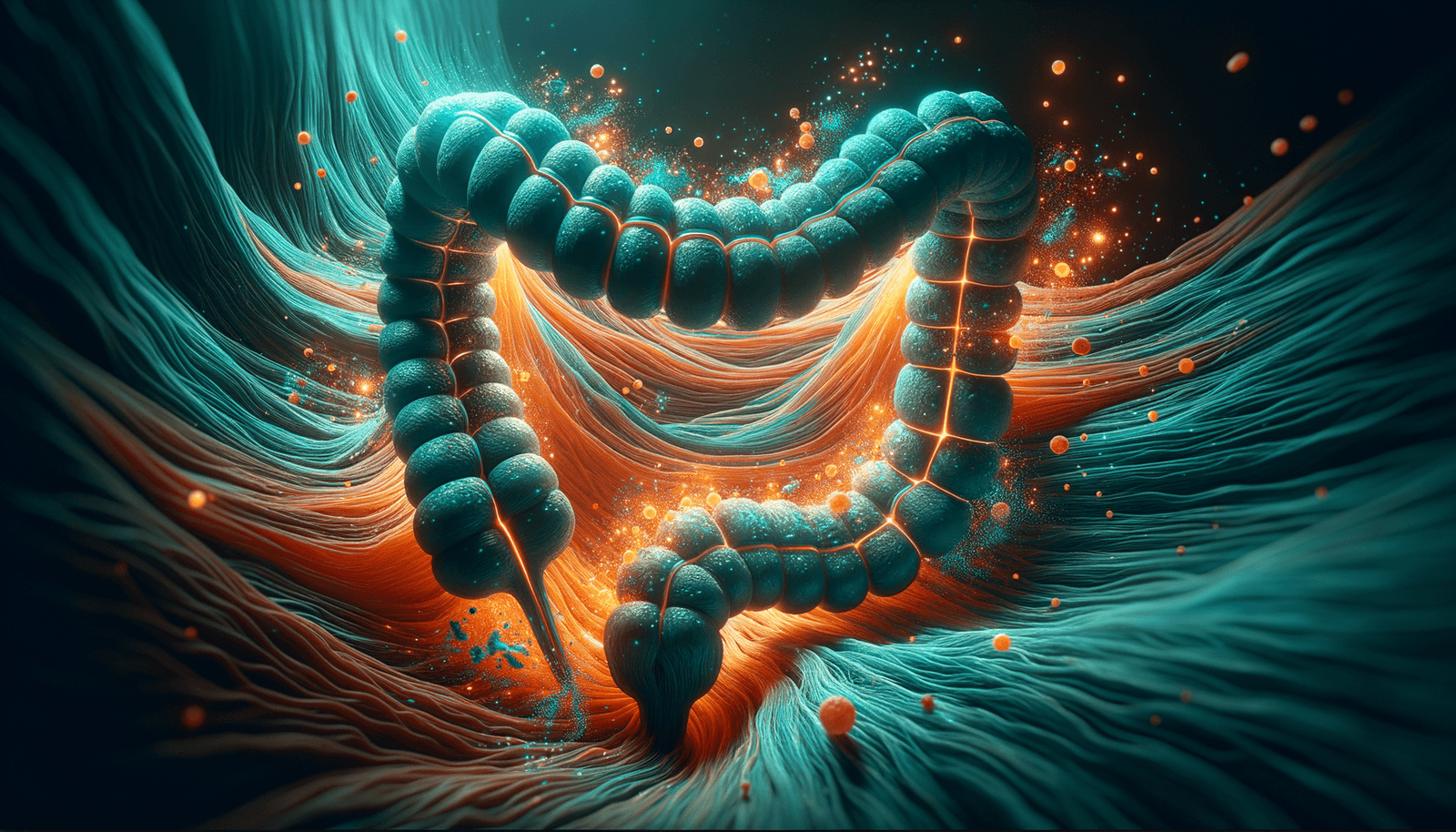
Nobody warns you about the bathroom problems. You knew about the cravings, the irritability, maybe even the brain fog. But constipation after quitting smoking catches people off guard — and it’s far more common than anyone talks about. Your morning cigarette wasn’t just a ritual. It was a laxative. And your body just lost it.
This is one of those withdrawal symptoms that feels deeply personal and slightly embarrassing, so people don’t Google it until they’re three days in and genuinely uncomfortable. If that’s you right now, you’re not broken. Your gut is recalibrating. Let’s walk through exactly what’s happening, why, and when it stops.
Why Nicotine Kept You “Regular”
Nicotine is a parasympathomimetic agent — it mimics the action of your parasympathetic nervous system, which controls digestion. Specifically, nicotine binds to nicotinic acetylcholine receptors in the enteric nervous system (the network of neurons lining your gut). When it binds, it triggers peristalsis — the wave-like contractions that move food through your intestines.
A 1998 study in Gut by Scott et al. found that smoking accelerates colonic transit time by approximately 30%. Your intestines were literally running faster than normal every time you smoked.
Nicotine also stimulates the gastrocolic reflex — the signal that makes you need the toilet after eating. That’s why so many smokers had a predictable post-breakfast bathroom habit. The cigarette turbocharged a reflex that already existed.
Remove the nicotine, and your enteric nervous system has to relearn its baseline pace. It’s been running on stimulant assistance for months or years. Without it, peristalsis slows down — sometimes dramatically. The result: constipation, bloating, cramping, and a general feeling that your digestive system has gone on strike.
This is Cravo’s work in a part of your body you didn’t expect. The craving doesn’t just live in your brain. It’s woven into your gut, and it’s making the adjustment as uncomfortable as possible so you’ll light up again.
The Digestive Withdrawal Timeline
Here’s what most people experience, based on clinical data and the patterns reported across cessation studies:
Days 1–3: The Slowdown Begins
Your gut transit time starts to increase. You may not notice it immediately — there’s a lag between nicotine leaving your system and the intestinal slowdown becoming obvious. By day 2 or 3, though, most people notice reduced bowel movements. Bloating may start. This coincides with the worst of your other withdrawal symptoms, which doesn’t help.
Days 4–7: Peak Discomfort
This is when constipation tends to be at its worst. Your enteric nervous system is in full recalibration mode. You may go 2–3 days without a bowel movement, which is uncomfortable but not medically dangerous. Abdominal bloating can make you feel heavier even without actual weight gain. Some people also report mild nausea, which is related to the same autonomic nervous system disruption.
Weeks 2–3: Gradual Normalisation
For most people, gut function begins to return to a new normal during the second and third week. Bowel movements become more predictable again, though they may still be less frequent than when you were smoking. This is closer to your actual baseline — the smoking frequency was artificially enhanced.
Weeks 4–8: Full Recovery
By one to two months, the vast majority of quitters report that their digestive system feels normal. Some report it feels better than before — less urgency, less acid reflux, more predictable patterns. Your overall recovery timeline is well underway at this point, and the gut is no exception.
Appetite Changes: Why You’re Suddenly Starving
Constipation gets the headlines, but appetite changes are arguably the bigger disruption to daily life. And they’re driven by multiple overlapping mechanisms.
Nicotine Suppressed Your Appetite
Nicotine activates POMC neurons in the hypothalamus — the same neurons that tell your brain “you’re full.” A landmark 2011 study in Science by Mineur et al. demonstrated that nicotine directly activates these satiety pathways through β4 nicotinic receptors. Remove the nicotine and those neurons go quiet. Your brain’s fullness signal gets weaker.
Simultaneously, nicotine increased your basal metabolic rate by roughly 7–15% (Perkins et al., 1989, Pharmacology Biochemistry and Behavior). You were burning more calories at rest simply because nicotine was a stimulant. When you quit, your metabolism drops back to its natural rate — but your eating habits don’t immediately adjust downward.
The Dopamine Gap Makes Food More Rewarding
Here’s the mechanism most people miss. During nicotine withdrawal, your dopamine system is running at a deficit. Everyday pleasures feel muted. But food — especially sugar and fat — still triggers a reliable dopamine hit. Your brain learns this fast. Within days of quitting, you’ll notice stronger cravings for sweets, snacks, and comfort food. It’s not weakness. It’s neurochemistry. Your brain is seeking alternative dopamine sources because its primary one just vanished.
This is also why the oral fixation component matters. Smoking involved repeated hand-to-mouth activity dozens of times per day. That motor pattern doesn’t disappear overnight. Snacking fills the gap — same motion, same brief reward.
What the Data Says About Weight Gain
The average weight gain after quitting smoking is 4–5 kg (roughly 8–11 lbs) over 12 months, according to a 2012 meta-analysis by Aubin et al. in the BMJ. However, this number masks enormous individual variation:
- About 16% of quitters actually lose weight
- About 13% gain more than 10 kg
- The median gain is closer to 2.5–3 kg in the first 3 months, with it stabilising after that
The weight gain is real, but it’s also manageable, and it’s categorically less harmful than continuing to smoke. The cardiovascular risk from 5 kg of extra weight is a fraction of the risk from continued smoking — not even in the same order of magnitude.
Your Gut Microbiome Is Changing Too
This is the part that even most doctors don’t mention. Quitting nicotine doesn’t just affect gut motility — it reshapes the bacterial ecosystem living in your intestines.
A 2013 study by Biedermann et al. in PLOS ONE found that within nine weeks of smoking cessation, participants showed significant increases in Firmicutes and Actinobacteria phyla, along with decreases in Bacteroidetes and Proteobacteria. The microbial diversity increased substantially — the gut became a richer, more varied ecosystem.
Why does this matter? Because the gut microbiome influences everything from immune function to mood regulation. Some of the changes in appetite and digestion after quitting may be partially driven by this microbial shift, not just by the loss of nicotine’s direct stimulant effect.
The temporary digestive discomfort may actually be a sign of your gut ecology restructuring itself into a healthier configuration. It’s messy in the middle, but the destination is better than where you started.
Practical Strategies That Actually Help
Knowing the science is useful. But when you’re bloated, constipated, and craving biscuits at 2pm, you need actionable advice.
For Constipation
Fibre — but gradually. Increase your fibre intake, but do it slowly over a week rather than all at once. A sudden spike in fibre when your gut is already sluggish can make bloating worse. Aim for 25–30g daily from whole grains, vegetables, fruits, and legumes. Psyllium husk is particularly effective for constipation — it absorbs water and adds bulk.
Water. Dehydration worsens constipation significantly. Many smokers were mildly dehydrated anyway (nicotine is a mild diuretic). Aim for at least 2 litres daily. More if you’re increasing fibre, since fibre needs water to work properly.
Movement. Physical activity stimulates peristalsis. Even a 20-minute walk after meals can meaningfully improve gut transit time. You don’t need intense exercise — just movement.
Coffee (if you tolerate it). Caffeine stimulates the gastrocolic reflex similarly to nicotine, though through a different mechanism. A cup of coffee in the morning can partially compensate for the lost nicotine stimulus. Just don’t overdo it — excessive caffeine can worsen anxiety, which is already elevated during withdrawal.
Probiotics. Given the microbiome changes happening, a broad-spectrum probiotic may help ease the transition. The evidence is modest but the risk is essentially zero. Look for strains like Lactobacillus rhamnosus and Bifidobacterium longum, which have the strongest evidence for constipation relief.
For Appetite and Weight
Eat regularly — don’t restrict. Trying to diet while quitting nicotine is a recipe for failure at both. Your willpower is a finite resource, and withdrawal is already maxing it out. Eat at consistent times. Choose filling foods. Don’t skip meals.
Protein at every meal. Protein is the most satiating macronutrient. It triggers GLP-1 and PYY release — gut hormones that signal fullness. Prioritising protein at each meal naturally reduces overall calorie intake without requiring conscious restriction.
Keep your hands busy. Sounds trivial. It’s not. The hand-to-mouth habit is deeply ingrained. Sugar-free gum, carrot sticks, a stress ball — anything that occupies the motor pattern without adding calories.
Accept the 2–3 kg. Fighting the initial weight gain creates stress, which triggers cortisol, which increases both cravings and fat storage. A modest weight gain in the first few months is normal and often self-corrects as your metabolism stabilises and your dopamine system recovers. Prioritise staying smoke-free. Address the weight after you’re past the withdrawal window.
When to See a Doctor
Most digestive changes after quitting are uncomfortable but harmless. However, see your GP if you experience:
- No bowel movement for 5+ consecutive days
- Severe abdominal pain (not just discomfort or bloating)
- Blood in your stool
- Persistent vomiting
- Unexplained weight loss (rather than gain)
- Symptoms that worsen after 4 weeks rather than improving
These could indicate an underlying condition unrelated to nicotine withdrawal that happened to become apparent during cessation.
What Cravo Doesn’t Want You to Know
The craving will use every uncomfortable symptom against you. Constipation, bloating, weight gain — Cravo frames all of it as evidence that quitting is making you worse. “You felt fine when you smoked. This is your body telling you it needs nicotine.”
That’s a lie. Your body doesn’t need nicotine. It’s adapting to the absence of a stimulant it never required in the first place. Every symptom on this page has an expiry date. The constipation resolves. The appetite normalises. The microbiome restructures into something healthier than what smoking produced.
If you want to understand the full picture of what happens when you quit — not just the gut, but the brain, the lungs, the cardiovascular system — the recovery is comprehensive and it’s happening right now, even when it doesn’t feel like it.
We built Cravo to track exactly this kind of thing — to show you the recovery happening beneath the discomfort, so the craving can’t use a bad bathroom day to send you back to the shop.
See what you’ll save along the way with the Savings Calculator.
Frequently Asked Questions
How long does constipation last after quitting smoking?
For most people, constipation peaks during the first week after quitting and gradually resolves over 2–4 weeks. By 6–8 weeks, bowel function has typically returned to a normal pattern. If constipation persists beyond 6 weeks, consider speaking with your GP to rule out other causes.
Is it normal to gain weight after quitting nicotine?
Yes. The average weight gain is 4–5 kg over 12 months, driven by metabolic slowdown, increased appetite, and dopamine-seeking eating behaviour. About 16% of quitters actually lose weight, and the gain typically stabilises after 3–6 months. The health benefit of quitting far outweighs the risk from a few extra kilograms.
Why am I so bloated after quitting smoking?
Bloating occurs because nicotine was accelerating your gut motility by roughly 30%. Without it, food moves through your intestines more slowly, producing more gas through extended fermentation. Your gut microbiome is also shifting composition, which can produce additional gas during the transition. Both factors resolve within a few weeks.
Does quitting smoking affect your gut microbiome?
Yes, significantly. Research shows that within weeks of quitting, the gut microbiome diversifies and shifts toward a healthier composition — with increases in Firmicutes and Actinobacteria. This restructuring may contribute to temporary digestive discomfort but ultimately results in a more robust and varied bacterial ecosystem.
Can I take laxatives for constipation after quitting?
Occasional use of osmotic laxatives (like lactulose or macrogol) is safe and can provide relief during the worst of it. Avoid stimulant laxatives (like senna) for more than a few days, as they can create dependency and worsen the problem long-term. Fibre supplements like psyllium husk are preferable as a first step because they address the underlying issue.
Will my appetite ever go back to normal?
Yes. Appetite typically stabilises within 1–3 months as your dopamine system recovers and your brain recalibrates its satiety signals. The intense sugar cravings and snacking urges are driven by the temporary dopamine deficit, which resolves as nicotinic receptors downregulate to non-smoker levels.
“The body heals itself in a way that makes you think it’s getting worse before it realises it’s getting better.” — Anonymous
This article is for informational purposes only and does not constitute medical advice. If you experience persistent digestive symptoms or are concerned about weight changes after quitting, consult a healthcare professional.
Beat Your Craving
Your craving has a strategy.
Now you have one too.
Download Cravo — the app that fights cravings with you.
Download the App →