What Happens in the First 72 Hours After Your Last Cigarette
The first 72 hours of quitting smoking are the hardest — and the most transformative. Here's the hour-by-hour breakdown of what your body is doing while you white-knuckle it.

Written by Abhishek · Founder, heycravo
Medical review pending · Our editorial standards
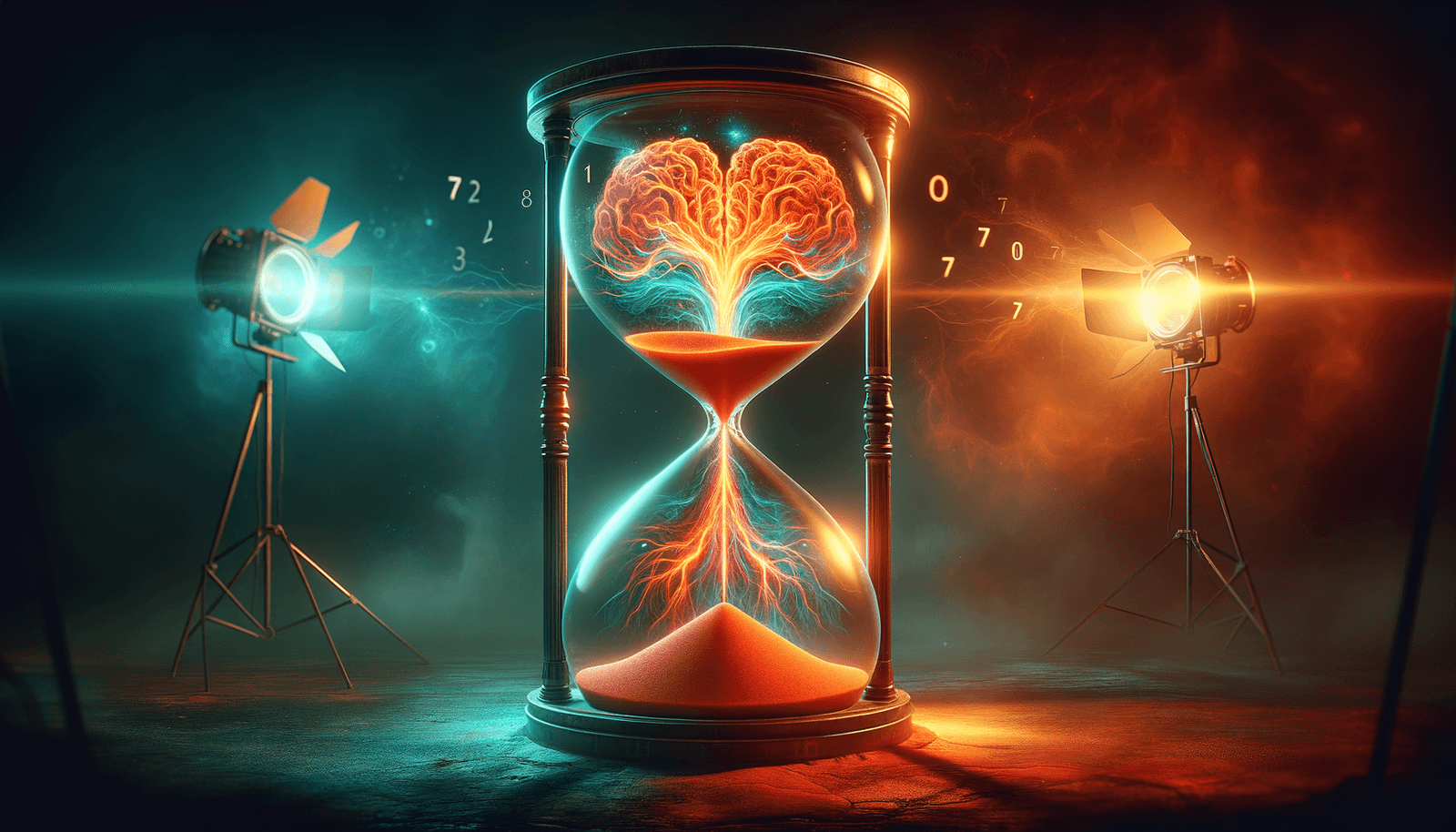
Every quitting timeline you’ve ever read does the same thing. It tells you your blood pressure drops in 20 minutes, your carbon monoxide normalises in 12 hours, and then — in one breezy sentence — skips to “2–3 days: withdrawal peaks.” As if the first 72 hours quitting smoking are a single event rather than a grinding, hour-by-hour transformation that determines whether your quit attempt survives or dies.
This article fills that gap. Not with vague encouragement, but with a granular, evidence-based account of what your body and brain are actually doing across every major phase of those first three days. Because knowing what’s coming — and why it’s happening — strips the experience of its power to surprise you.
Why the First 72 Hours Matter More Than Any Other Window
Nicotine has a plasma half-life of approximately two hours (Benowitz, 2009, Clinical Pharmacology & Therapeutics). That means roughly every two hours after your last cigarette, the concentration of nicotine in your blood drops by half. By 72 hours, it’s functionally gone. Zero. Your body is running clean for the first time in months or years.
That sounds like progress, and it is. But your brain doesn’t experience it as progress. It experiences it as an emergency. Chronic smoking causes your brain to upregulate nicotinic acetylcholine receptors — growing 26–36% more than a non-smoker’s brain contains (Cosgrove et al., 2009, Archives of General Psychiatry). Those receptors were built for a drug that is now disappearing from your bloodstream. The distress signals they generate are what we call withdrawal.
The first 72 hours are the period during which nicotine levels fall from “maintaining your addiction” to “undetectable.” Every symptom you’ll experience — the irritability, the brain fog, the cravings that feel like they’ll crack your skull open — tracks this decline. Understanding the pharmacokinetics doesn’t make it painless. But it makes it predictable. And predictable is survivable.
For the full picture of what withdrawal looks like beyond day 3, read our complete nicotine withdrawal timeline.
Hour 0–1: The Last Cigarette’s Afterglow
You’ve put out your last cigarette. Maybe ceremonially. Maybe you didn’t know it was the last one until you decided right now that it was. Either way, here’s what’s happening inside you.
Blood nicotine: At peak. Your most recent dose is still circulating.
Heart rate and blood pressure: Elevated. Nicotine is a vasoconstrictor and stimulant. Each cigarette raises your heart rate by 10–20 bpm and your systolic blood pressure by 5–10 mmHg. These effects persist for about 20 minutes after the last puff.
Carbon monoxide: Your blood is carrying carbon monoxide (CO) instead of oxygen. Haemoglobin has a 200-times greater affinity for CO than for oxygen, so even moderate smoking loads your blood with the stuff. Right now, your CO-haemoglobin level is likely 3–10%, compared to under 1% in a non-smoker.
Brain state: Calm, relatively. Nicotine just triggered a dopamine release of roughly 150–163% of baseline in your nucleus accumbens. Your reward circuitry is satisfied. Cravo — the craving — is quiet. Asleep. Don’t mistake this silence for weakness.
How you feel: Normal. That’s the problem. The absence of discomfort is what makes addiction invisible to the person living inside it.
Hours 1–4: The Slow Drain Begins
Blood nicotine: Dropping. One half-life has passed by hour 2. You now have half the peak concentration in your blood.
Cardiovascular changes: Within 20 minutes of your last cigarette, your heart rate begins to slow toward baseline. By hour 1–2, your blood pressure starts to follow. Your peripheral circulation improves — your fingers and toes may feel slightly warmer as blood flow to your extremities increases. These are among the fastest measurable health gains of quitting, and they happen before you even start to feel uncomfortable.
Carbon monoxide clearance: CO-haemoglobin begins its decline. The half-life of CO in your blood is 4–6 hours when breathing normal air. Your body is already replacing CO-loaded haemoglobin with functional, oxygen-carrying haemoglobin. Every breath of clean air accelerates this.
Cravings: Mild to absent. Most smokers can go 1–4 hours between cigarettes without significant distress — that’s why your smoking schedule has gaps (sleep, meetings, flights). Your brain still has enough residual nicotine to keep the receptors partially occupied.
What to do: This is your preparation window. You’re not in withdrawal yet, but you will be. Remove cigarettes, lighters, and ashtrays from your environment. Tell someone you’re quitting. Stock water, hard sweets, and something to occupy your hands. Don’t wait until the cravings arrive to start building your defences.
Hours 4–8: The First Real Cravings
Blood nicotine: Two half-lives have passed. You’re at roughly 25% of peak.
Brain state: Your nicotinic acetylcholine receptors are noticing the decline. They’re not in full revolt yet — there’s still enough nicotine to partially activate them — but the signal-to-noise ratio is shifting. Dopamine output from the nucleus accumbens is dropping. Your reward system is getting quieter.
Cravings: This is where the first genuine urges arrive. Not the casual “a cigarette would be nice” of a long meeting, but the more insistent “I need to smoke” that comes with a tightening in the chest and a restlessness in the legs. Individual cravings last 3–5 minutes. They come in waves, with calm troughs between them.
Physical symptoms: Possibly none yet, or very mild — slight restlessness, difficulty concentrating on detail-heavy tasks, mild irritability that you might attribute to a bad day rather than withdrawal.
Carbon monoxide: Continuing to clear. By hour 8, your CO-haemoglobin is approaching non-smoker levels if you were a moderate smoker. Your blood is measurably better at carrying oxygen than it was this morning.
What to do: When a craving hits, time it. Literally look at a clock. Watch three minutes pass. The craving will peak and fade within that window. This isn’t a mental trick — it’s the pharmacology of receptor activation cycles. For more on how cravings behave and why they pass, see our guide on how long nicotine cravings actually last.
Hours 8–12: Carbon Monoxide Falls, Oxygen Rises
Blood nicotine: Three to four half-lives in. You’re below 10% of peak. Your receptors can feel the difference.
The oxygen milestone: By hour 8–12, your blood oxygen levels have normalised. CO-haemoglobin has dropped to near non-smoker levels. Your cells — from your heart muscle to your brain — are receiving more oxygen per heartbeat than they have in months. This is a genuine, measurable health improvement happening while you sleep (if you quit in the evening) or grind through an afternoon (if you quit in the morning).
Cravings: Increasing in frequency. You may notice them arriving every 30–60 minutes instead of every few hours. Each individual wave still lasts only minutes, but the gaps between waves are shrinking.
Mood: Irritability is becoming harder to attribute to external causes. You’re shorter with people. Tasks that require patience feel disproportionately frustrating. This is your brain’s dopamine system running below its accustomed baseline — not a character flaw, not a bad mood, but neurochemistry adjusting in real time.
Sleep (if it’s night): If you quit during the day and are hitting this window at bedtime, expect disrupted sleep. Nicotine suppresses REM sleep, and its removal triggers a rebound. You may experience vivid dreams, frequent waking, or difficulty falling asleep despite feeling exhausted. This is temporary. Your sleep architecture is recalibrating.
Hours 12–24: The First Full Day
This is the stretch that separates casual “I should quit” thinking from an actual quit attempt. You’ve gone a full half-day without nicotine. Your body knows it.
Blood nicotine: Effectively zero free nicotine in plasma. Cotinine (nicotine’s primary metabolite) is still present and will be for days, but it doesn’t activate your receptors in the same way. As far as your brain is concerned, the supply has been cut.
Carbon monoxide: Normalised. Your blood is now carrying oxygen at non-smoker efficiency. If you were to take a pulse oximetry reading, you’d see it.
Heart rate and blood pressure: Trending toward baseline. Not fully there yet — withdrawal-related stress hormones (cortisol, adrenaline) are elevating both slightly — but the direct vasoconstrictive effect of nicotine is gone.
Cravings at 12–18 hours: Steady and persistent. The waves come more frequently. You may start to feel a low-level craving that never fully resolves between waves — a constant background hum of “smoke, smoke, smoke” that the acute waves build on top of. This is normal. It’s the sound of several billion upregulated receptors all registering “empty” simultaneously.
Cravings at 18–24 hours: For many people, late in the first day brings the first true test. Evening routines — post-dinner, watching television, the moment before bed — carry powerful associative triggers. Your brain has paired these activities with nicotine thousands of times. The habit circuitry fires even though the chemical need is what’s driving the intensity. It’s a double hit: chemical withdrawal plus conditioned cues.
We explore this overlap between chemical and psychological cravings in detail in why quitting nicotine is so hard.
Physical symptoms at 24 hours:
- Headache (from vasodilation as nicotine’s constrictive effects reverse)
- Increased appetite (nicotine suppresses appetite; its absence removes the brake)
- Restlessness and difficulty sitting still
- Mild tingling in hands and feet (improved circulation)
- Possible constipation (nicotine stimulates bowel motility; its absence slows things temporarily)
What to do: Eat. Not junk — though your brain will beg for sugar as a substitute dopamine source — but actual meals. Dehydration worsens headaches and fatigue, so drink water aggressively. Move your body. Even a 15-minute walk reduces craving intensity in controlled studies (Haasova et al., 2013, Addiction). And if you haven’t already, check how much money you’re about to save with our savings calculator. Seeing the number in black and white helps on days when the motivation is abstract.
Hours 24–36: The Escalation
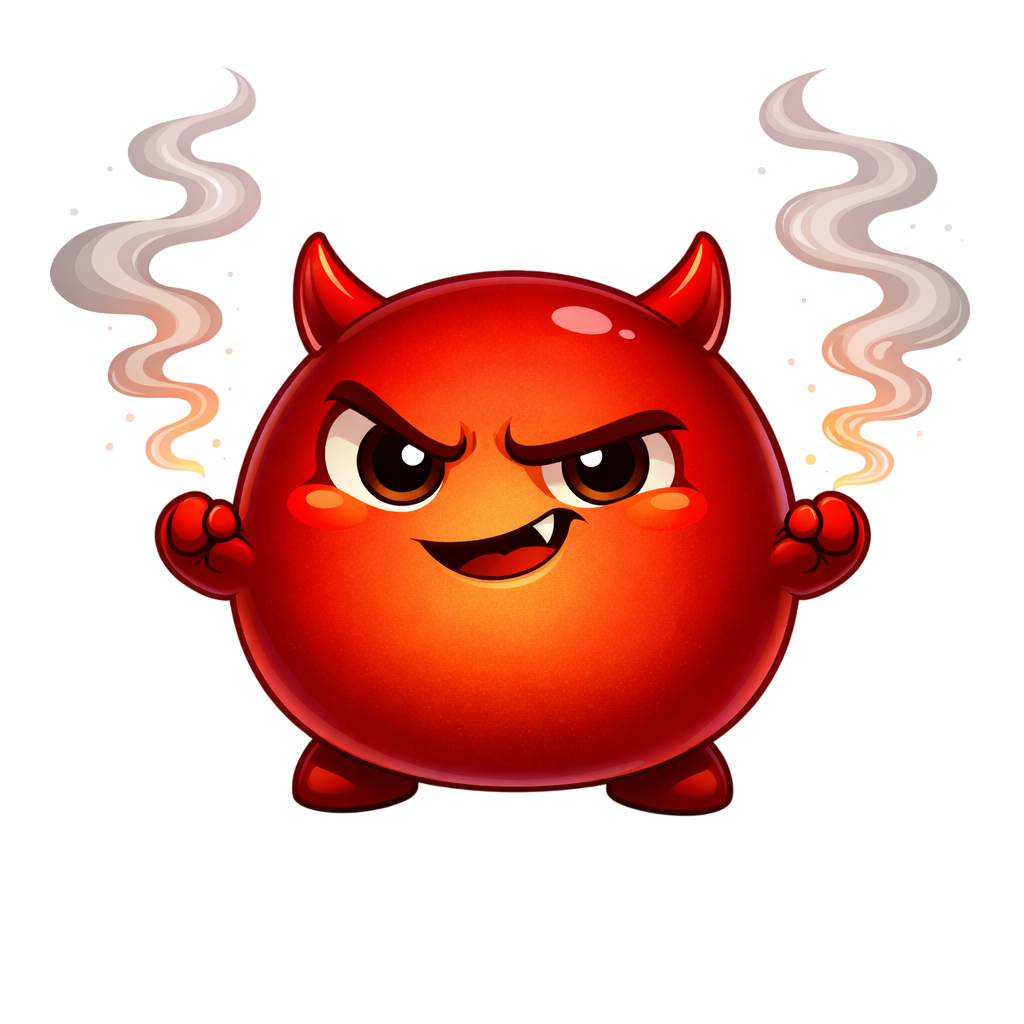
Day 2 begins, and with it, a noticeable escalation. This is where Cravo — your nicotine craving, that persistent voice telling you to give in — starts getting louder. Not whispering any more. Talking. Arguing. Rationalising.
Brain state: Dopamine output from the mesolimbic pathway is significantly depressed. Your brain’s reward centre is running on fumes. Activities that normally produce mild pleasure — food, music, social interaction — feel flat or effortful. This isn’t depression (though it mimics it). It’s a temporary dopamine deficit that will resolve as your brain recalibrates its endogenous neurotransmitter production.
GABA and glutamate imbalance: Nicotine enhanced GABA (calming) signalling and modulated glutamate (excitatory) release. Without it, the balance tips toward excitation. The result is a nervous system that feels turned up too high — anxiety, jitteriness, an exaggerated startle response, difficulty sitting through quiet moments.
Cravings: Intensifying. Waves arrive more frequently, and the troughs between them are shallower. You may find that certain triggers — seeing someone smoke, smelling cigarette smoke, driving past your usual shop — produce cravings so sharp they feel physical. They are physical. They’re real neurochemical events, not weakness. But they still pass in 3–5 minutes.
Concentration: Noticeably impaired. Nicotine enhances attention and working memory via prefrontal acetylcholine signalling. Without it, tasks that require sustained focus feel like pushing through wet concrete. Don’t schedule important decisions or complex work for hours 24–48 if you can avoid it.
What to do: This is a good time to reread what you’re actually fighting. Our article on how nicotine changes your brain explains the receptor mechanics behind everything you’re feeling. Understanding the mechanism doesn’t eliminate the pain, but it converts a vague, threatening experience into a specific, time-limited process.
Hours 36–48: The Grind
Blood nicotine: Long gone. Your body is now clearing cotinine, which has a half-life of 16–20 hours. Cotinine is pharmacologically weak — it’s not sustaining your addiction — but its presence means standard nicotine tests would still detect metabolites.
Physical symptoms intensify:
- Headaches may peak in this window
- Appetite is surging — expect to feel genuinely hungry even after eating a full meal
- Energy fluctuates wildly: bursts of restless energy followed by heavy, leaden fatigue
- Your mouth and throat may feel odd as damaged tissue begins early repair processes
- Some people report mild flu-like symptoms: achiness, low-grade chills, general malaise
Emotional state: Volatile. You may cry at something trivial. You may feel sudden rage at a minor inconvenience. You may feel both within the same hour. This volatility is neurochemical, not personal. Your emotional regulation systems relied partly on nicotine’s effects on serotonin and noradrenaline, and they’re recalibrating without it.
Taste and smell: Beginning to return. The olfactory nerve recovers faster than most people expect. By hour 36–48, many quitters report that food tastes stronger and smells are more vivid. This is a genuine positive — your nerve endings are regenerating after years of chemical suppression. Enjoy it, even if everything else feels grim.
What to do: Survive. That’s the entire brief for this period. Use the cold turkey survival strategies we’ve outlined in our complete guide. Ice water, deep breathing, vigorous short walks, keeping your hands busy. Nothing clever. Just endurance.
Hours 48–60: Approaching the Summit
You’re now well into day 3 — the day that most relapse data points to as the hardest (Hughes, 2007, Nicotine & Tobacco Research). Nicotine is fully cleared. Your receptors are completely empty. The distress signal is at maximum volume.
Brain state: This is the neurochemical trough. Dopamine is at its lowest point since you quit. Your prefrontal cortex — responsible for impulse control and rational decision-making — is compromised by the withdrawal state it’s operating under. This is why day 3 feels like a willpower problem: the very brain region you need for self-control is the one most affected by the withdrawal. It’s not a fair fight, and recognising that matters.
Cravings: Peak intensity. Waves arrive frequently and feel longer, even though objective timing shows they still resolve within 3–5 minutes. Subjective time distortion is a known feature of acute withdrawal — minutes feel like hours when your nervous system is in distress.
Physical symptoms:
- Headaches may persist or worsen
- Constipation is common
- Tingling in extremities (nerve regeneration and improved circulation)
- Dry mouth
- Throat clearing and mild cough as cilia in your airways begin to recover and start moving mucus again
For a complete day-3-specific breakdown, including hour-by-hour tactics, see why day 3 is the hardest.
Hours 60–72: The Turn
This is where something shifts. Not dramatically — you’re not going to feel good at hour 65. But the trajectory changes. The graph stops climbing and begins, hesitantly, to slope downward.
Brain state: Your brain is beginning to upregulate endogenous acetylcholine production to compensate for the missing nicotine. Dopamine output, while still below baseline, starts to creep upward. The excess nicotinic receptors begin the slow process of downregulation — pruning back toward non-smoker density. This process takes weeks to complete, but it has started. Right now. Because you held on.
Cravings: Still present, still intense, but — and this is crucial — the gaps between waves are widening again. You may get 15–20-minute stretches where the craving genuinely recedes. These windows were absent at hour 50. Their return is the first concrete signal that the acute phase is ending.
Physical symptoms easing:
- Headaches beginning to resolve
- Energy still erratic but trending upward
- Appetite remains elevated but feels less desperate
- Sleep may still be disrupted, but REM rebound is settling
Emotional state: Still volatile, but with micro-moments of genuine calm. You might catch yourself laughing at something, or feeling a brief flash of satisfaction that you’ve made it this far. These moments are real. They’re your brain’s reward system producing dopamine without nicotine for the first time. They’ll get longer and more frequent with each passing day.
The 72-hour milestone: By the end of hour 72, nicotine is undetectable in your blood. Cotinine is fading. You have survived the acute withdrawal phase — the most intense physical discomfort your quit attempt will produce. Everything from here is a downslope. Not an easy downslope. Not a straight line. But a downslope.
What Your Body Has Accomplished in 72 Hours
It’s worth pausing to inventory the damage you’ve already reversed:
- Blood oxygen: Normalised (by hour 8–12)
- Carbon monoxide: Cleared to non-smoker levels (by hour 24)
- Heart rate and blood pressure: Trending toward baseline
- Circulation: Measurably improved in extremities
- Nerve endings: Regenerating (taste and smell returning)
- Bronchial tubes: Beginning to relax, allowing easier breathing
- Cilia: Reactivating, starting to clear accumulated mucus
- Nicotinic receptor downregulation: Initiated
Your body wanted to heal. It was waiting for you to stop poisoning it. Three days in, and it’s already rebuilding.
For the full timeline of recovery — from 72 hours through 15 years — see our complete quit smoking timeline.
How Cravo Uses Each Phase Against You
Cravo — the villain that personifies your craving — has a different strategy for each phase. Knowing the playbook in advance is half the defence.
Hours 0–12: Cravo is quiet. Deliberately. The strategy here is to let you feel overconfident. “See? This is easy. You could probably have one later and still be fine.” This is the setup for a relapse at hour 18 when real withdrawal arrives.
Hours 12–24: Cravo starts bargaining. “You’ve proved you can go a day. That’s enough. You’re clearly in control. One won’t hurt.” Every word of this is a lie. One cigarette re-occupies your receptors and resets the withdrawal clock to zero.
Hours 24–48: Cravo drops the charm and goes for brute force. Raw craving. Irritability. The relentless feeling that something is wrong and only a cigarette can fix it. This is Cravo at full volume, banking on the fact that your prefrontal cortex is compromised and your willpower reserves are depleted.
Hours 48–72: Cravo’s last stand. The cravings are still intense, but if you’ve made it this far, Cravo is running out of ammunition. The physical withdrawal is peaking and will begin to decline. Cravo knows this too, which is why the hour-50 pitch sounds desperate: “You can’t do another day of this.” You can. You’ve already done two.
To understand the character behind the craving, read meet your craving.
What Helps During the First 72 Hours
Evidence-based strategies that are specifically effective during acute withdrawal:
Physical activity. A meta-analysis by Haasova et al. (2013, Addiction) found that even brief bouts of moderate exercise — 10–15 minutes of brisk walking — significantly reduced cigarette cravings and withdrawal symptoms. Exercise triggers endorphin and dopamine release through pathways that don’t involve nicotine. It’s the closest thing to a cheat code in early withdrawal.
Cold water. Drinking ice-cold water provides a mild sensory stimulus that can interrupt a craving wave. It also addresses dehydration, which worsens headaches and fatigue.
The 4-4-4 breathing pattern. Inhale for 4 seconds, hold for 4, exhale for 4. This activates the parasympathetic nervous system and counters the glutamate-driven excitatory state that withdrawal produces. It’s not subtle relaxation advice — it’s a direct physiological intervention against the anxiety cascade.
Delay, don’t decide. When a craving hits, don’t tell yourself “I will never smoke again.” That’s an overwhelming commitment in a moment of acute distress. Instead, tell yourself “I won’t smoke for the next 5 minutes.” Then repeat. This granular approach aligns with how cravings actually work — they peak and pass in 3–5-minute windows.
Track the money. Every day you don’t smoke, you save the cost of a pack. Our savings calculator shows the cumulative total. On day 3, the number is small. By month 3, it’s a holiday. By year 1, it’s serious money. Having a specific financial target makes the abstinence feel productive rather than purely sacrificial.
Tell Cravo to shut up. This sounds simplistic, but externalising the craving — treating it as a separate entity rather than your own desire — is a cognitive defusion technique with real clinical support. You’re not a person who wants a cigarette. You’re a person being harassed by a craving that will pass. There’s a meaningful psychological difference.
If you’re weighing whether to go cold turkey or use NRT to get through this period, our cold turkey vs. tapering comparison and NRT guide cover the evidence for each approach.
When to Get Support
The first 72 hours are survivable alone. Millions of people have done it. But you don’t have to, and there’s no prize for unnecessary suffering.
Talk to a GP if withdrawal symptoms are severe enough to interfere with functioning — particularly anxiety, insomnia, or depressive symptoms that feel disproportionate.
Consider NRT or prescription support (varenicline, bupropion) if you’ve attempted cold turkey multiple times and relapsed during the acute phase. These aren’t admissions of failure — they’re pharmacological tools that target the same receptor mechanics we’ve described in this article.
Download Cravo — an app designed around everything in this article — craving tracking, real-time coping tools, and a system that treats your craving as the opponent it is, not a vague feeling to manage.
Frequently Asked Questions
What is the single hardest hour of the first 72?
For most people, it’s the first 2 hours after waking on day 3 (approximately hours 48–50 after quitting). Cortisol peaks naturally in the morning, amplifying withdrawal symptoms that are already at their highest intensity. This double hit — peak withdrawal plus morning cortisol — creates the single most challenging window of the entire quit.
Will I feel normal after 72 hours?
No. You’ll feel better than you did at hour 50, but “normal” takes longer. Physical withdrawal symptoms decline significantly over the next 1–2 weeks. Psychological cravings — triggered by habits, routines, and environmental cues — can persist for weeks to months, though they become less frequent and less intense. Full receptor normalisation takes approximately 6–12 weeks (Cosgrove et al., 2009). You can review the extended timeline in our nicotine withdrawal symptoms guide.
Does everyone experience the same timeline?
No. Individual variation is significant. Factors that affect your timeline include how heavily you smoked, how many years you smoked, your metabolism, genetics, and whether you use NRT or go unassisted. The timeline in this article represents the most common pattern reported in clinical literature, but your experience may differ by several hours in either direction.
Can I exercise during the first 72 hours?
Yes — and you should if you’re able. Exercise is one of the most consistently supported interventions for acute craving reduction. You don’t need to run a marathon. A brisk 10–15-minute walk is sufficient to trigger the neurochemical benefits. Avoid intense exercise if you’re experiencing dizziness or significant blood pressure fluctuations, and stay hydrated.
Is it true that cravings only last 3–5 minutes?
Individual craving waves do resolve within 3–5 minutes in most cases. However, during peak withdrawal (hours 48–60), waves arrive so frequently that the gaps between them can feel very short, creating the subjective experience of one continuous craving. The distinction matters: each wave will crest and pass. Timing them — actually watching a clock — helps your brain register the pattern and reduces the sense that the discomfort is permanent.
What if I slip and have a cigarette during the 72 hours?
A single cigarette will re-occupy your nicotinic receptors and partially reset the withdrawal process. It doesn’t erase all progress — the cardiovascular and oxygenation improvements remain — but it extends the timeline for full nicotine clearance and receptor downregulation. If you slip, the best response is to treat it as data, not failure, and restart immediately rather than waiting for a “fresh” Monday or first of the month. For a structured restart protocol, see our complete guide to quitting smoking.
This article is for informational purposes only and does not constitute medical advice. Nicotine withdrawal can produce symptoms that mimic or exacerbate underlying medical and psychiatric conditions. If you experience severe symptoms — including chest pain, significant breathing difficulty, or thoughts of self-harm — seek medical attention immediately. Consult your GP or healthcare provider before making changes to any medication or treatment plan.
“The secret of getting ahead is getting started. The secret of getting started is breaking your complex, overwhelming tasks into small, manageable tasks, and then starting on the first one.” — Mark Twain
Beat Your Craving
Your craving has a strategy.
Now you have one too.
Download Cravo — the app that fights cravings with you.
Download the App →