The Complete Guide to Quitting Smoking Cold Turkey
Cold turkey has a 3-5% per-attempt success rate — but produces more ex-smokers than any other method. Here's the day-by-day plan to make your attempt count.

Written by Abhishek · Founder, heycravo
Medical review pending · Our editorial standards
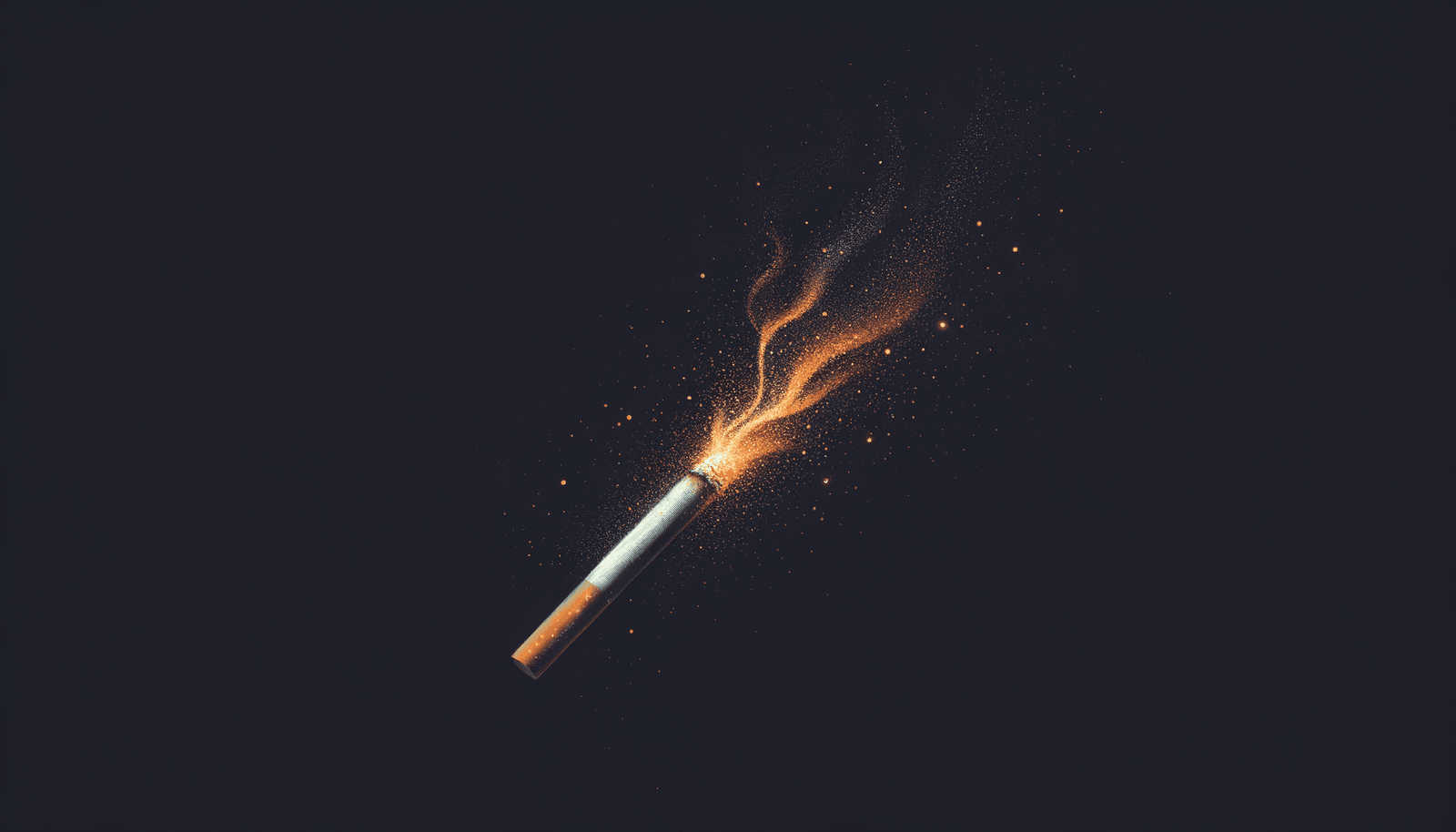
Most people who successfully quit smoking do it cold turkey. Not with patches. Not with medication. Not with a 12-week tapering plan and a spreadsheet. They just stop.
That sounds like motivational nonsense, but the data backs it up. Chapman and MacKenzie (2010, PLOS Medicine) found that two-thirds to three-quarters of all successful ex-smokers quit without any pharmacological assistance. The method with the lowest per-attempt success rate — roughly 3–5% (Hughes, 2004) — produces the most ex-smokers in absolute terms, because it’s by far the most commonly attempted method and people try it repeatedly.
Quitting smoking cold turkey is a numbers game. This guide is about tilting those numbers in your favour.
Why Cold Turkey Works
The case for abrupt cessation isn’t just anecdotal. It’s been tested head-to-head against gradual reduction in a landmark randomised controlled trial.
Lindson-Hawley et al. (2016, Annals of Internal Medicine) randomised 697 smokers into two groups: abrupt cessation and gradual reduction over two weeks. Both groups received identical NRT and behavioural support. The results weren’t subtle:
- 4 weeks: 49% abstinent (cold turkey) vs 39% (gradual)
- 6 months: 22% (cold turkey) vs 15.5% (gradual)
Cold turkey won at every time point. Even participants who told researchers beforehand that they preferred gradual quitting did better when randomly assigned to cold turkey (42% vs 34.6%). Their preference was wrong. The data overruled it.
The neuroscience of abrupt cessation
When you smoke, nicotine binds to acetylcholine receptors in your brain, triggering dopamine release at 150–163% of baseline. Over months and years, your brain grows 26–36% more nicotinic receptors to accommodate this flood (Benowitz, 2010, Annual Review of Pharmacology and Toxicology). That’s called upregulation — your neural hardware physically remodels itself around the drug.
When you quit cold turkey, those extra receptors are suddenly starved. That’s what withdrawal is: a restructured brain demanding input it was built to expect. It’s brutal. But here’s the crucial part — those excess receptors begin to downregulate (return to normal density) within days to weeks of abstinence. The receptor reset can only happen when nicotine intake drops to zero.
Tapering delays this reset. Every cigarette you smoke during a “reduction” phase re-activates the receptors and restarts the clock. Cold turkey forces the reset to begin immediately, which means the worst of it is concentrated into a shorter, more survivable window.
For a deeper look at the receptor mechanics, see our piece on how nicotine changes your brain.
The Day-by-Day Plan
Quitting cold turkey without a plan is like running a marathon without training. You might finish, but the odds are poor. Here’s what to expect and how to prepare for each phase.
Days 1–3: The Acute Phase
This is where most attempts die. Your body is clearing nicotine (half-life: ~2 hours; fully eliminated within 72 hours), and your brain is in open revolt.
Day 1 is deceptively manageable. You still have residual nicotine in your system. Cravings come in waves — intense for 3–5 minutes, then receding. You’ll feel restless, irritable, and distracted, but functional. The danger isn’t the intensity; it’s the false confidence. “This isn’t so bad” is the thought that precedes lighting up at 11 PM.
Day 2 is harder. Blood nicotine drops below the threshold your receptors expect. Irritability sharpens. Concentration fractures. Sleep may be disrupted — nicotine suppresses REM sleep, and its sudden absence causes a rebound of vivid, sometimes disturbing dreams. Appetite spikes as your brain tries to replace dopamine from nicotine with dopamine from food.
Day 3 is the summit. Nicotine is almost fully cleared. Withdrawal symptoms peak: headaches, anxiety, brain fog, intense cravings. This is the single hardest day of the entire quit. If you survive day 3, you have made it through the worst your body will throw at you.
For a complete breakdown of what each symptom feels like and when it resolves, read our nicotine withdrawal symptoms guide.
Days 4–7: The Decline
Physical withdrawal begins tapering. Cravings still hit but they’re shorter and less frequent. Your sense of taste and smell starts returning — which is pleasant until you realise how much your car smells like cigarettes. Irritability decreases. Energy fluctuates between surprising bursts and heavy fatigue as your body recalibrates.
The risk in this phase isn’t physical withdrawal — it’s complacency. You feel better, which your brain interprets as “the problem is solved,” which makes the idea of “just one” sound reasonable. It isn’t. One cigarette can re-sensitise nicotinic receptors within minutes.
Weeks 2–3: The Psychological Shift
Physical symptoms are largely gone or background-level. The battle moves fully into psychological territory. Habitual triggers — morning coffee, post-meal, work breaks, stress — now fire without the physical withdrawal to explain them. You’re not craving nicotine so much as craving the routine.
This is where behavioural strategies matter most. You need replacements for the actions, not just the chemical. We cover this in the coping strategies section below.
Week 4 and Beyond: The Long Game
By week 4, most people describe feeling “mostly normal” with occasional craving spikes triggered by specific situations. Your dopamine system is well into recovery. At 3 months, receptor density approaches non-smoker levels (Cosgrove et al., 2009, Archives of General Psychiatry).
The danger windows are days 15–29 and days 60–90, which show the highest relapse rates in longitudinal data (PMC, 2021). Plan for these. Don’t assume that because you survived month 1, month 2 is automatic.
For the full recovery timeline — from 20 minutes to 15 years — see our quit smoking timeline.
The First 72 Hours: Surviving the Peak
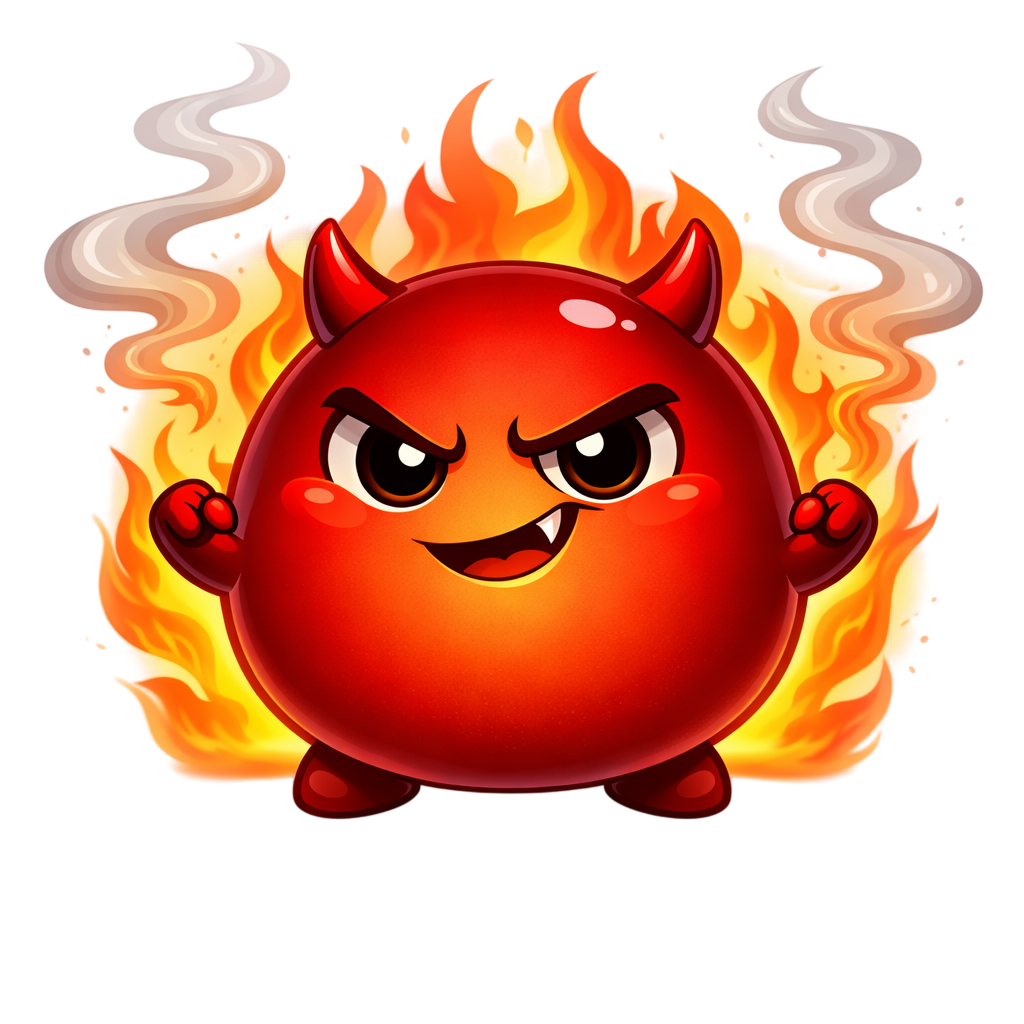
The first 72 hours are where cold turkey earns its reputation. This is Cravo — your craving — at full volume. Not whispering. Screaming.
Here’s your survival protocol:
Clear your environment. Before you smoke your last cigarette, remove every cigarette, lighter, ashtray, and vape from your home, car, and workplace. Not “put them in a drawer.” Remove them. The friction between you and relapse should be maximal. If it takes 20 minutes to drive to a shop to buy cigarettes, that’s 20 minutes for the craving to pass — because it will pass.
Tell people. Not for accountability theatre — because the social cost of relapse is a genuine motivator. Tell your partner, your housemates, your closest colleagues. “I’m quitting smoking. I might be a nightmare for a few days. Please don’t take it personally, and please don’t offer me one.”
Stock your kitchen. Appetite spikes are real and expected. Crunchy snacks (carrots, apples, nuts) give your mouth something to do. Ice water helps with cravings — the cold sensation activates competing neural pathways. Avoid alcohol for the first week; it lowers inhibition and is the single most common relapse trigger.
Schedule your hardest days. If possible, quit on a Thursday evening. Day 2 (Friday) and Day 3 (Saturday) — the worst days — land on days where you have more control over your environment. You can avoid work stress, triggering colleagues, and smoking-break routines.
Use the 3-minute rule. Individual cravings peak within 90 seconds and rarely last beyond 3–5 minutes. When one hits: change rooms, drink cold water, do 10 press-ups, call someone. Any action that creates a 3-minute gap between the craving and the decision. The craving will pass. It always does.
For more on how long cravings last and why they follow this pattern, see our craving duration guide.
Coping Strategies That Actually Work
Not all coping strategies are equal. These are the ones with evidence behind them.
Cognitive defusion
This is the technique of observing a craving without obeying it. Instead of “I need a cigarette,” you reframe: “I’m noticing that I’m having a thought about wanting a cigarette.” It sounds trivial. It isn’t. A 2012 study by Hooper et al. in Behaviour Research and Therapy found that cognitive defusion significantly reduced the believability and discomfort of smoking-related thoughts compared to thought suppression.
Name the craving. Give it a character if that helps — that’s literally why we built Cravo. “That’s Cravo trying the nostalgia play.” When you see the move, it loses power.
Physical activity
Exercise reduces craving intensity. A 2014 Cochrane review by Ussher et al. found that even brief bouts of moderate exercise (a 15-minute brisk walk) significantly reduced cravings and withdrawal symptoms. The mechanism is straightforward: exercise triggers dopamine release through a pathway that doesn’t involve nicotine receptors.
You don’t need to run 10K. Walk around the block. Do press-ups. The effect is immediate and wears off in about 30 minutes — but so does the craving.
Delay tactics
The “4 Ds” are clinically endorsed and annoyingly effective:
- Delay — wait 3–5 minutes
- Deep breathe — slow, diaphragmatic breathing activates the parasympathetic nervous system
- Drink water — cold water, specifically
- Do something else — any activity that occupies your hands and attention
Social support
A meta-analysis by Matkin et al. (2019, Cochrane Database) found that group behavioural therapy increased quit rates by 50–80% compared to self-help materials. You don’t need formal therapy — r/stopsmoking, quit-smoking apps, and even a single supportive friend who knows what you’re going through can serve the same function.
The point isn’t motivation. It’s having someone to text at 2 AM on day 3 when the craving is unbearable and you’re seriously considering driving to a petrol station.
Oral substitutes
Chewing gum, toothpicks, cinnamon sticks, sunflower seeds. The oral fixation component of smoking is real and separate from the nicotine addiction. Give your mouth something to do. Sugar-free gum is the simplest option. Some people find crunching ice cubes effective — the sensory shock competes with the craving signal.
When Cold Turkey Isn’t Right for You
Cold turkey is the best first approach for most smokers. But “most” isn’t “all.”
Very heavy smokers (30+ cigarettes per day): At this dependence level, abrupt cessation produces severe withdrawal that can include significant cardiovascular stress. NRT-assisted tapering over 1–3 months may be more appropriate. Discuss with your GP.
Serious psychiatric comorbidities: If you’re managing depression, bipolar disorder, or schizophrenia, nicotine withdrawal can exacerbate symptoms. The EAGLES trial (Anthenelli et al., 2016, The Lancet) showed that pharmacological cessation aids are safe in psychiatric populations, but the withdrawal itself needs medical supervision.
Repeated cold turkey failures (5+ attempts): If you’ve tried cold turkey multiple times with strong preparation and keep relapsing at the same point, your brain may need pharmacological support to get through the acute phase. Varenicline or combination NRT can triple your per-attempt odds. There’s no shame in using the tools that exist.
Pregnancy: Abrupt cessation is actually recommended during pregnancy — but under medical supervision, because nicotine withdrawal can cause stress responses that affect the foetus. Talk to your obstetrician.
For a detailed comparison of cold turkey versus gradual approaches, including the meta-analysis data, see our cold turkey vs tapering breakdown.
Your Attempt Starts Here
Cold turkey’s reputation is earned. It’s hard. The first 72 hours are genuinely awful. And yes, the per-attempt success rate is low.
But it’s also the method that has freed more people from smoking than any other. It’s free. It’s immediate. And when it works — which it does, millions of times every year — it works completely.
That’s what Cravo is built around: the understanding that quitting cold turkey doesn’t fail because people are weak. It fails because they’re unprepared. Cravo gives you the craving counter-moves, the trigger recognition, and the real-time support that turn a raw attempt into an informed one. And while you’re at it, see how much money your quit is worth →
Frequently Asked Questions
How long does cold turkey withdrawal last?
Acute physical symptoms peak on days 2–3 and decline rapidly through days 4–7. Most physical symptoms resolve within 2–4 weeks. Psychological cravings persist longer but weaken steadily. Full dopamine system recovery takes approximately 3 months (Cosgrove et al., 2009). By 3–6 months, most people feel entirely free of cravings.
Is cold turkey dangerous?
For the vast majority of smokers, no. Nicotine withdrawal is uncomfortable but not medically dangerous. Exceptions include very heavy smokers (30+ per day), people with serious cardiovascular conditions, and those with psychiatric comorbidities — all of whom should consult a doctor before abrupt cessation.
What is the success rate of quitting cold turkey?
The per-attempt success rate is 3–5% without any support (Hughes, 2004). With NRT added, this roughly doubles. With behavioural support, it improves further. The Lindson-Hawley trial (2016) showed 49% abstinence at 4 weeks and 22% at 6 months when cold turkey was combined with NRT and behavioural support.
Why do most cold turkey attempts fail?
Most failures happen in the first 72 hours, when nicotine withdrawal peaks. The primary triggers are stress, alcohol, social smoking cues, and the cognitive distortion that “just one” cigarette is harmless. Preparation — environmental control, craving strategies, social support — dramatically reduces the failure rate in this window.
Can I use NRT and still call it cold turkey?
Strictly, no — cold turkey means stopping nicotine entirely. But the clinical evidence shows that using NRT (particularly a patch for background relief plus a fast-acting form for craving spikes) while abruptly stopping smoking significantly improves outcomes. Don’t get hung up on the label. Use whatever gives you the best odds.
How many times do you have to try before quitting successfully?
Chaiton et al. (2016, BMJ Open) found the average is approximately 30 attempts. That number sounds discouraging until you reframe it: every failed attempt teaches you something — your weakest time of day, your strongest trigger, which coping strategy actually worked. Each attempt makes the next one smarter.
“The secret of getting ahead is getting started.” — Mark Twain
This article is for informational purposes only and does not constitute medical advice. If you’re considering medication-assisted cessation, consult a healthcare professional.
Beat Your Craving
Your craving has a strategy.
Now you have one too.
Download Cravo — the app that fights cravings with you.
Download the App →