Vaping Withdrawal Symptoms: What to Expect When You Quit
Vaping withdrawal hits differently than cigarettes — higher nicotine, faster onset, sharper cravings. Every symptom explained with timelines and evidence.

Written by Abhishek · Founder, heycravo
Medical review pending · Our editorial standards

You expected vaping withdrawal symptoms to feel like what your dad described when he quit Marlboros in ‘98. Uncomfortable, sure, but survivable with some gum and willpower.
Then Day 2 arrived and you realised this is a different animal entirely.
That’s because it is. The nicotine delivery system you’ve been using bears almost no resemblance to a combustible cigarette — and neither does the withdrawal. Modern vapes use nicotine salts at concentrations that would have been unthinkable a decade ago, and your brain has remodelled itself accordingly. The withdrawal reflects that remodelling.
This guide covers every vaping withdrawal symptom you’re likely to experience, when each one peaks, when it fades, and what’s actually happening inside your body while you feel terrible. If you’ve already read our general nicotine withdrawal symptoms guide, think of this as the vaping-specific edition — because the differences matter more than most people realise.
Why Vaping Withdrawal Can Feel Worse Than Cigarette Withdrawal
Three factors make quitting vapes biochemically different from quitting cigarettes.
Higher nicotine concentrations. A single JUUL pod contains roughly 40mg of nicotine — equivalent to a pack of cigarettes. Many disposable vapes now ship at 50mg/mL. A heavy vaper can easily consume 60–80mg of nicotine per day, double what most cigarette smokers absorb. More nicotine means more receptor upregulation, which means sharper withdrawal when supply stops.
Nicotine salts vs. freebase. Cigarettes deliver freebase nicotine, which is harsh at high concentrations — the throat hit limits intake. Nicotine salts (protonated nicotine) are smooth even at 50mg/mL. This innovation, patented by JUUL Labs in 2015, removed the body’s natural braking mechanism. You inhale more, more often, without discomfort.
Faster absorption. Research by Hajek et al. (2020, Addiction) found that nicotine salt e-cigarettes deliver nicotine to the brain faster than earlier vaping devices, approaching the speed of combustible cigarettes. Faster delivery means stronger reinforcement, which means a more entrenched habit. Your brain didn’t just get used to nicotine — it got used to nicotine arriving quickly, on demand, hundreds of times a day.
The result: when you stop, the deficit your brain perceives is steeper and more sudden than what a cigarette smoker experiences. That’s not weakness. That’s pharmacology.
The Complete Vaping Withdrawal Symptom List
Every symptom below is documented, temporary, and a sign that your brain is recalibrating to function without external nicotine. For the full hour-by-hour progression, see our nicotine withdrawal timeline.
Cravings
What it feels like: An urgent, physical pull toward your vape. Tightness in the chest. A restless energy that has no outlet. Your hand reaches for your pocket before your conscious mind catches up.
Onset: Within 4–6 hours of your last hit. Faster than cigarette cravings because your brain expects more frequent dosing — most vapers hit their device every few minutes, not every hour.
Peak: Days 2–3. This is when blood nicotine drops to near zero and your nicotinic acetylcholine receptors are at maximum deficit. The average craving lasts 3–5 minutes, but they come in waves, sometimes several per hour.
Duration: Intense cravings taper significantly after week 1. By week 4, most are brief and manageable. For a deeper dive, read how long nicotine cravings actually last.
Irritability and Mood Swings
What it feels like: Everything is annoying. You snap at people over nothing. You know you’re being irrational and it makes you even more irritated.
Why it happens: Nicotine modulates GABA (calming) and glutamate (excitatory) neurotransmitter activity. Remove it and the balance lurches toward agitation. Your prefrontal cortex — the part responsible for emotional regulation — is temporarily running on fumes.
Peak: Days 2–4.
Duration: Significant improvement by week 2. Most people feel emotionally stable again by week 4, though occasional spikes can occur for another month.
Anxiety and Restlessness
What it feels like: A background hum of unease. Heart rate feels elevated. You can’t sit still. The world feels slightly hostile.
Why it happens: Nicotine suppressed your HPA axis — the hormonal system that controls stress responses. Without it, cortisol spikes disproportionately to minor stressors. Here’s the part most people miss: the anxiety you “treated” by vaping was withdrawal anxiety that vaping itself created. A 2021 Truth Initiative study confirmed that successful quitters reported less anxiety afterwards, not more. We’ve written about this cycle in detail — nicotine doesn’t actually reduce stress.
Peak: Days 3–5.
Duration: Acute withdrawal anxiety resolves within 2–4 weeks.
Brain Fog and Concentration Issues
What it feels like: Reading the same paragraph four times. Forgetting why you opened a tab. Struggling to hold a thought. Feeling genuinely stupid.
Why it happens: Nicotine artificially boosted acetylcholine signalling, which governs attention and working memory. Your brain outsourced that function to nicotine. Now it needs to rebuild its own production capacity. It will — the neurological recovery process is well documented — but it takes time.
Peak: Week 1.
Duration: Most people notice concentration returning within 2–3 weeks. Full cognitive function recovers within 1–3 months. Many ex-vapers report better focus than they had while vaping, because they’re no longer cycling through mini-withdrawals every 20 minutes.
Insomnia and Sleep Disruption
What it feels like: Can’t fall asleep. Wake up at 3am drenched in sweat. Vivid, bizarre, sometimes disturbing dreams. Legs won’t stop moving.
Why it happens: Nicotine suppresses REM sleep. When you quit, your brain initiates a REM rebound — catching up on the deep restorative sleep it’s been missing. That rebound creates intense dream activity and fragmented sleep architecture. Jaehne et al. (2009, Sleep Medicine Reviews) documented this pattern extensively in nicotine cessation research.
Peak: Days 3–7.
Duration: Sleep typically normalises within 2–4 weeks. By month 2, most quitters report sleeping better than they did while vaping.
Increased Appetite and Weight Gain
What it feels like: Hungry all the time. Craving sugar specifically. Eating doesn’t fully satisfy the urge.
Why it happens: Two mechanisms. First, nicotine suppresses appetite by acting on hypothalamic neurons — remove it and hunger signals spike. Second, your brain is dopamine-deprived and food is one of the few remaining natural dopamine sources. Sugar cravings are your reward system grasping for alternatives.
Peak: Weeks 1–2.
Duration: Appetite normalises within 4–8 weeks. Average weight gain is 2–4kg, and much of it can be mitigated with basic dietary awareness. This is not permanent — it’s your metabolism readjusting.
Headaches
What it feels like: Dull, persistent pressure. Sometimes throbbing. Usually worse in the afternoon.
Why it happens: Nicotine is a vasoconstrictor — it narrows blood vessels. When you quit, blood vessels dilate, changing blood flow patterns in the brain. Your cardiovascular system is recalibrating. The headaches are a side effect of improved circulation.
Peak: Days 1–3.
Duration: Usually resolves within a week. Staying hydrated helps significantly — many vapers are chronically dehydrated because propylene glycol draws moisture from mucous membranes.
Cough and Throat Clearing
What it feels like: A persistent dry cough. Scratchy throat. Feeling like something is stuck in your airways.
Why it happens: The cilia in your respiratory tract — tiny hair-like structures that sweep out debris — were paralysed by vapour chemicals. When you stop vaping, they regenerate and start clearing accumulated mucus and particulate matter. The cough is literally your lungs cleaning house.
Peak: Week 1–2.
Duration: Can persist for 2–6 weeks depending on how long and heavily you vaped. It resolves on its own and does not require treatment.
Mouth Ulcers
What it feels like: Small, painful sores on the inside of your cheeks, gums, or tongue. Stinging when you eat or drink.
Why it happens: This is the symptom nobody warns you about. Nicotine has anti-inflammatory properties. When you withdraw it, oral tissues that were suppressed can react with localised inflammation. The change in oral pH and saliva composition also contributes. Online communities like r/QuitVaping consistently report this as one of the most unexpected symptoms.
Peak: Days 5–10.
Duration: Individual ulcers heal within 1–2 weeks. The tendency to develop new ones fades within a month.
The Craving Pattern
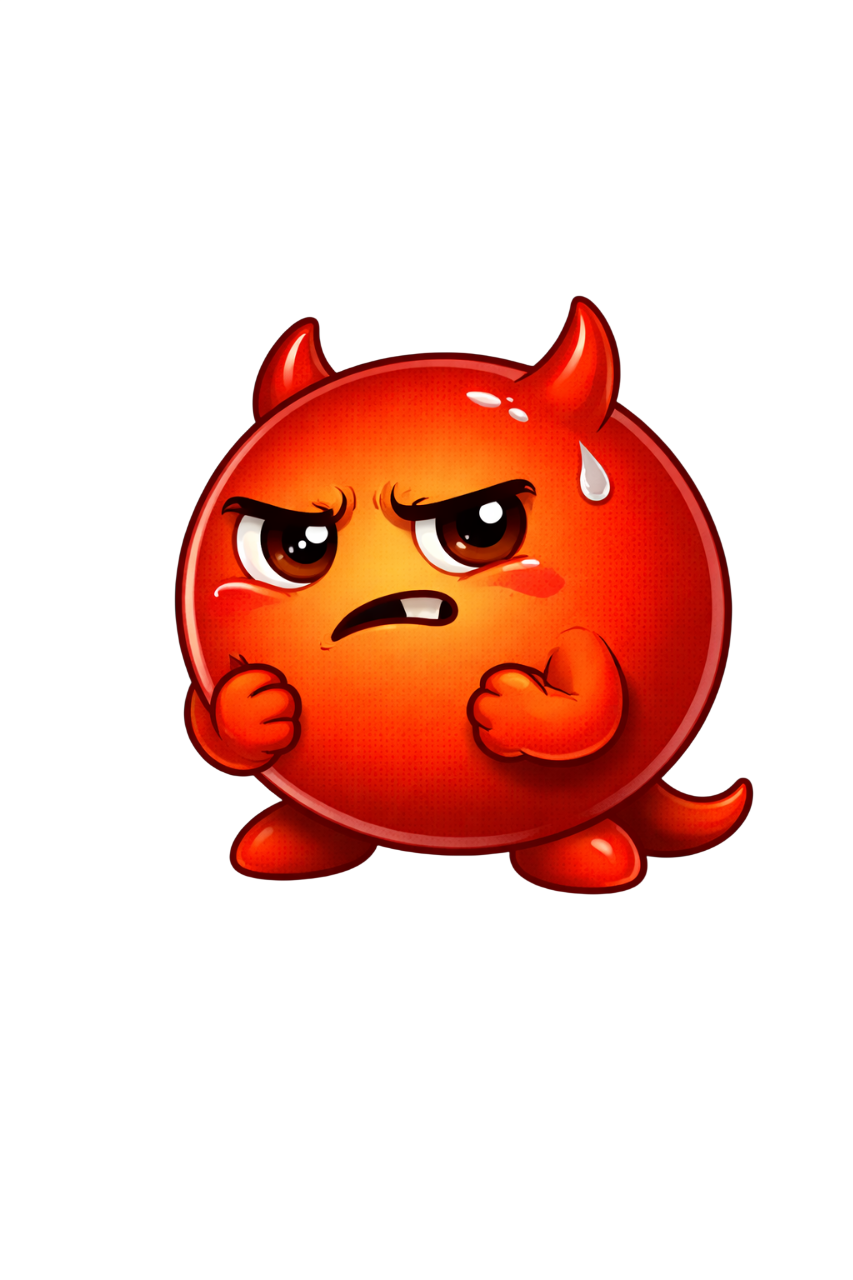
Here’s what nobody tells you about vaping cravings: they have a pattern, and that pattern is exploitable.
Cravings don’t build linearly until you break. They spike, hold for 3–5 minutes, and crash. Then they come back. Then they crash again. Each cycle is the craving throwing everything it has at you for a few minutes, then retreating to regroup.
The trick is recognising that the spike is the ceiling, not the floor. It won’t keep climbing. If you can ride out those few minutes — cold water, change of room, name the craving out loud — the wave passes. And each day, the waves get smaller and less frequent.
Days 1–3: multiple cravings per hour, lasting 3–5 minutes each. Days 4–7: several cravings per day, intensity dropping. Weeks 2–4: a few cravings per day, easily managed. Month 2 onward: occasional cravings, often triggered by specific situations rather than chemical need.
The craving wants you to believe it will last forever. It won’t. It can’t. It’s running on a depleting fuel source — the receptor upregulation your brain is actively dismantling.
What’s Normal vs. What Needs Medical Attention
Nearly every vaping withdrawal symptom is harmless, temporary, and self-resolving. But there are a few red lines.
Normal (ride it out):
- Irritability, even intense irritability
- Anxiety that comes and goes
- Difficulty concentrating
- Insomnia and vivid dreams
- Increased appetite
- Headaches
- Cough
- Mouth ulcers
- Feeling sad or flat
Talk to a doctor if:
- Depression is severe or includes thoughts of self-harm
- Anxiety is so intense you can’t function at work or in daily life
- Chest pain persists beyond the first few days or feels sharp
- Breathing difficulty worsens rather than improves
- You have a pre-existing mental health condition that’s significantly destabilised
Nicotine withdrawal is not medically dangerous. But it can amplify pre-existing conditions, particularly depression and anxiety disorders. If you were managing a mental health condition with nicotine (which is more common than most people admit), quitting may temporarily destabilise that management. A GP can help you bridge the gap.
Managing Each Symptom: What Actually Works
Generic advice like “stay positive” is useless. Here are specific, evidence-backed interventions for each symptom.
For cravings: Cold water. A full glass, quickly. It activates the parasympathetic nervous system and physically interrupts the craving signal (Ussher et al., 2009, Psychopharmacology). Also: change your physical location. Cravings are context-dependent — if you always vaped at your desk, get up and walk to a different room.
For irritability: Intense physical exercise. Even 10 minutes of brisk walking reduces craving intensity and irritability. This isn’t vague wellness advice — the mechanism is direct: exercise triggers endorphin release that partially compensates for the dopamine deficit.
For anxiety: Box breathing (4 seconds in, 4 seconds hold, 4 seconds out, 4 seconds hold). This activates vagal tone and downregulates the sympathetic nervous system within minutes. It’s the physiological opposite of what nicotine was doing.
For brain fog: Front-load your demanding cognitive work to the morning when dopamine is naturally highest. Accept that weeks 1–2 will be less productive. Caffeine helps but don’t overdo it — excess caffeine can worsen anxiety and insomnia.
For insomnia: No screens for one hour before bed. Keep the room cool. Don’t nap during the day, even though you’ll want to. Melatonin (0.5–1mg, not 10mg) can help with sleep onset during the first two weeks.
For appetite: Stock high-protein snacks. Protein stabilises blood sugar and promotes satiety better than the sugar your brain is demanding. Carrots, nuts, jerky — anything that gives your hands and mouth something to do.
For headaches: Hydrate aggressively. Propylene glycol in vape liquid is a humectant — it absorbs water. Your body has been chronically losing moisture through your respiratory tract. Drink 2–3 litres per day for the first two weeks.
For cough: Don’t suppress it. The cough is productive — it’s clearing your airways. Honey and warm water can soothe irritation. If it persists beyond six weeks, see a doctor to rule out other causes.
For mouth ulcers: Saltwater rinses (half a teaspoon of salt in warm water) speed healing. Avoid spicy and acidic foods until they clear.
Your Craving Has an Expiry Date
Every symptom in this article has a timeline. Every one of them ends. The discomfort is real, but it’s temporary — and it’s the price of admission to a life where you’re not chained to a device in your pocket.
That’s why we built Cravo. Not another generic quit-vaping app with a timer and some badges. A tool that understands the craving’s playbook — the spikes, the tactics, the lies — and helps you see through them in real time. While you’re at it, run the numbers on our savings calculator and see what your vape habit has actually cost you.
The withdrawal is the craving’s last stand. Every uncomfortable hour is proof it’s losing.
Frequently Asked Questions
How long does vaping withdrawal last? Acute physical symptoms peak at days 2–3 and largely resolve within 2–4 weeks. Psychological cravings can persist for 1–3 months but become increasingly rare and manageable. By month 3, most ex-vapers report feeling completely free. See our full withdrawal timeline for the day-by-day breakdown.
Is vaping withdrawal worse than cigarette withdrawal? For many people, yes. Nicotine salt vapes deliver higher concentrations of nicotine more efficiently than cigarettes, leading to greater receptor upregulation and a steeper withdrawal curve. The frequency of use also matters — hitting a vape 200+ times per day creates stronger behavioural conditioning than smoking 20 cigarettes.
Can vaping withdrawal cause chest pain? Mild chest tightness is common in the first few days and is usually related to anxiety and changes in breathing patterns. Sharp or persistent chest pain is not a typical withdrawal symptom and warrants medical evaluation.
Should I use nicotine patches or gum to quit vaping? Nicotine replacement therapy can help, but there’s limited research on its effectiveness specifically for vaping cessation. The 2025 Cochrane review found that most cessation interventions haven’t been adequately studied in vaping populations. If you choose NRT, be aware that you may need higher-dose patches (21mg) given the nicotine loads modern vapes deliver. Discuss options with a GP. For more on quitting vaping methods, we’ve covered the evidence in detail.
Why do I feel worse than my friend who also quit? Withdrawal severity depends on daily nicotine intake, duration of use, genetics (CYP2A6 enzyme activity affects nicotine metabolism speed), and whether you have co-occurring anxiety or depression. Someone who vaped 20mg/mL for six months will have a different experience from someone who vaped 50mg/mL for three years. Neither experience is wrong — they’re just different withdrawal profiles.
“The secret of getting ahead is getting started.” — Mark Twain
This article is for informational purposes only and does not constitute medical advice. If you experience severe depression, thoughts of self-harm, or any symptoms that concern you, please contact a healthcare professional immediately.
Beat Your Craving
Your craving has a strategy.
Now you have one too.
Download Cravo — the app that fights cravings with you.
Download the App →